
Tools
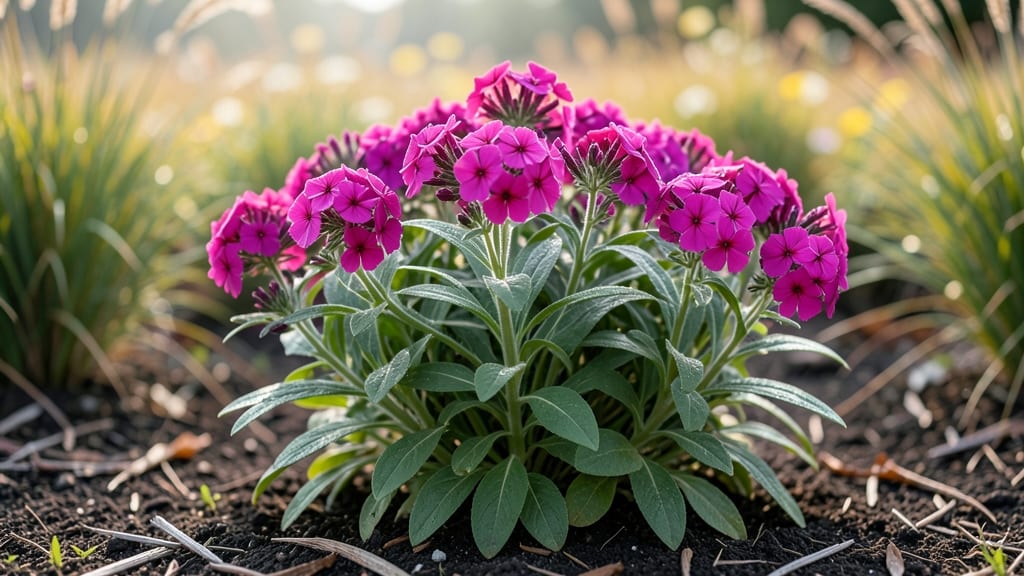
Yes, garden phlox spreads primarily through self-seeding and underground rhizomes, creating dense clumps over time. Most varieties expand 12–24 inches per season if unchecked, though some stay compact with proper pruning and spacing.
Garden phlox multiplies through two main pathways: seed dispersal and rhizome expansion. 🌱 The lightweight seeds hitch rides on breezes, often popping up unexpectedly in garden beds, while the creeping root systems form dense underground networks that push outward.
Some dwarf varieties like 'David' or 'Lipstick' stay tidy at just 12 inches wide, but tall border phlox can sprawl aggressively if left unmanaged. The key to controlling their growth lies in understanding these natural behaviors and applying targeted maintenance strategies.
For instance, I've seen phlox double its spread in just two seasons when planted too closely—starting with 18-inch spacing between plants gives roots room to breathe while still creating a lush display.
Deadheading spent blooms early prevents seed formation, while cutting back stems by half after flowering redirects energy into root development rather than seed production. The right approach transforms what could be an invasive nuisance into a carefully contained garden feature.
💡 In This Article
- How Garden Phlox Spreads: Rhizomes vs Self-Seeding
- Controlling Garden Phlox Spread: Pruning and Spacing Tips
How garden phlox spreads: rhizomes vs self-seeding
Garden phlox spreads through two distinct biological mechanisms that work together to create those lush, flowering clumps. The first method involves rhizomatous growth, where the plant develops horizontal underground stems called rhizomes. These specialized stems grow outward from the parent plant, forming new shoots at nodes along their length.
Each node can produce a new stem capable of flowering, creating a dense network that expands the phlox colony. For example, varieties like 'Blue Flame' or 'Starfire' spread aggressively this way, with rhizomes extending 12-18 inches annually if given space.
The second spread mechanism is self-seeding, where the plant produces thousands of tiny seeds contained in fluffy seed heads. When these heads dry and split open, the lightweight seeds disperse easily on even gentle breezes, often landing several feet away from the parent plant.
This explains why you might suddenly find phlox seedlings popping up in unexpected garden corners or along pathways. The seed dispersal strategy is particularly effective in open, sunny areas where seeds can establish new colonies without competition.
Interestingly, some phlox varieties like 'David' prioritize rhizome growth over seed production, staying more contained in their spread patterns.
What determines whether a phlox variety spreads aggressively or remains compact?
The answer lies in its genetic makeup and growing conditions. Rhizomatous varieties like 'Bright Eyes' or 'Jeana' develop extensive root systems that push outward, while clump-forming types like 'Lipstick' or 'Blue Paradise' focus their energy on vertical growth and dense foliage.
Environmental factors also play a role—phlox planted in fertile, well-drained soil with full sun will spread more vigorously than those in poor or shaded conditions. The plant's natural tendency to spread is actually an adaptive survival strategy, ensuring it can colonize new areas and maximize its chances of flowering.
Here's what's happening underground that most gardeners don't realize: phlox rhizomes contain stored nutrients that allow them to survive winter dormancy and regrow quickly in spring. These rhizomes can live for several years, continuously producing new shoots while the older stems gradually die back.
This persistent underground network explains why even severely pruned phlox often rebounds with fresh growth. The balance between rhizome expansion and seed dispersal creates the classic phlox garden display—dense clusters of blooms that seem to multiply magically each season. 🌿
Consider this comparison between the two spread mechanisms:
- Rhizomes: Spreads 12-24 inches per season underground, creating dense clumps; ideal for ground cover or border planting
- Self-seeding: Scatters seeds 3-6 feet via wind, creating new colonies; perfect for naturalizing in meadows or wildflower gardens
- Combined effect: Can create 50% wider coverage than initial planting when both methods occur
The aggressive spread of some phlox varieties isn't just random—it's an evolutionary adaptation to maximize reproductive success. Plants that spread widely increase their chances of finding suitable growing conditions and avoiding competition.
In your garden, this natural behavior can be both an asset (creating beautiful displays) and a challenge (requiring management to prevent overcrowding). Understanding these mechanisms helps you make informed decisions about which varieties to plant and how to maintain them. ✨