
Tools
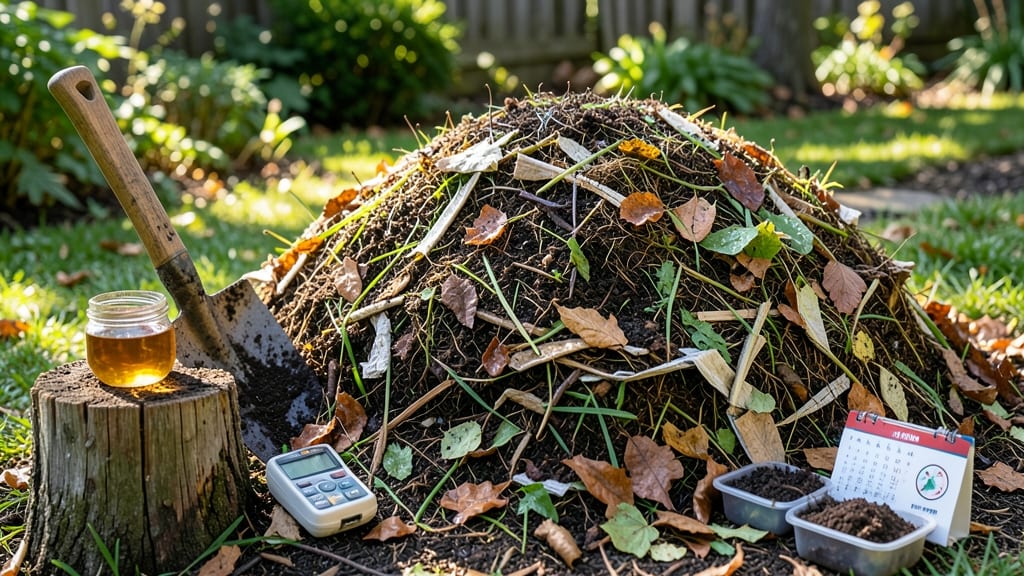
Yes, garden soil does go bad over time, losing nutrients, structure, and microbial activity within 1-3 years if unused. Stale soil compacts, drains poorly, and may develop harmful pathogens or weed seeds, requiring compost or fresh soil to restore fertility.
Soil degradation happens because organic matter breaks down naturally, and without replenishment, the soil loses its ability to support plant life. 🌱 Over time, beneficial microbes die off, leaving behind a dense, lifeless medium that suffocates roots.
You'll notice this when your plants struggle to thrive even with regular watering, or when the soil smells musty or clumps together like concrete. The good news? You can easily revive it with compost, organic amendments, or by mixing in fresh topsoil.
Think of it like a sponge—when it dries out too long, it loses its ability to hold water and nutrients. The same goes for soil. Regular testing (every 1-2 years) helps track pH and nutrient levels, so you can address issues before they become severe.
For example, adding worm castings or aged manure can jumpstart microbial activity and improve drainage almost immediately.
💡 In This Article
- How Soil Degrades Over Time: Signs of Spoiled Garden Soil
- Reviving Old Soil: Best Methods to Refresh Garden Beds
How soil degrades over time: signs of spoiled garden soil
Soil degradation starts with the breakdown of organic matter, which typically loses its effectiveness within 1-3 years of sitting unused. Microorganisms—bacteria, fungi, and protozoa—die off as their food source (organic material) diminishes, reducing the soil's ability to cycle nutrients.
Without these microbes, plants struggle to access essential elements like nitrogen, phosphorus, and potassium, even if you add fertilizer. The soil's structure also collapses, as organic matter acts like tiny scaffolding that holds particles apart for better aeration and water retention.
One of the first signs of spoiled soil is its texture: healthy soil crumbles easily between your fingers, while degraded soil clumps together like wet cement. 🌱 You might also notice a foul, sour odor—this indicates anaerobic conditions where harmful bacteria thrive, producing gases like hydrogen sulfide.
Another red flag is poor plant growth: even with adequate water and sunlight, seedlings may wilt or yellow, or mature plants show stunted roots. This happens because compacted soil restricts oxygen flow, suffocating roots and limiting their ability to absorb moisture and nutrients.
Chemical imbalances worsen over time, too. The pH can drift toward extremes (either too acidic or alkaline), making nutrients unavailable to plants. For example, a pH below 6.0 or above 7.5 locks out essential minerals like iron or calcium.
Weed seeds and pathogens also accumulate in stale soil, creating a vicious cycle where invasive plants outcompete your garden crops. Even the color changes: fresh soil is dark brown or black, while degraded soil turns grayish or reddish as organic matter decomposes and minerals oxidize.
Root health suffers most visibly. In healthy soil, roots spread easily through loose, aerated layers. But in compacted soil, roots grow in a shallow, tangled mass near the surface, making plants more vulnerable to drought and disease.
You can test this by gently digging up a plant—if the roots are circling or appear blackened, that’s a clear sign of soil fatigue. 🌿 The longer soil sits unused, the harder it becomes to revive, which is why gardeners often refresh their beds every 2-3 years, especially in high-traffic areas like vegetable patches or flowerbeds.
Seasonal changes accelerate degradation. During winter, microbial activity slows, but without organic additions, the soil loses its resilience. By spring, the lack of fresh matter means plants have fewer resources to draw from, leading to weaker growth.
Even the soil’s temperature plays a role: hot summers can bake out moisture, while wet winters create anaerobic pockets where harmful microbes flourish. These factors combine to turn once-fertile soil into a barren, lifeless medium that struggles to support even the hardiest plants.
Consider this: a bag of fresh topsoil might contain 5-10% organic matter, but after 3 years of neglect, that number can drop to 1-2%, drastically reducing its fertility.
The solution isn’t just adding compost—it’s restoring the soil’s biological ecosystem. Without microbes and fungi breaking down nutrients, plants can’t thrive, no matter how much fertilizer you apply. 💫