
Size
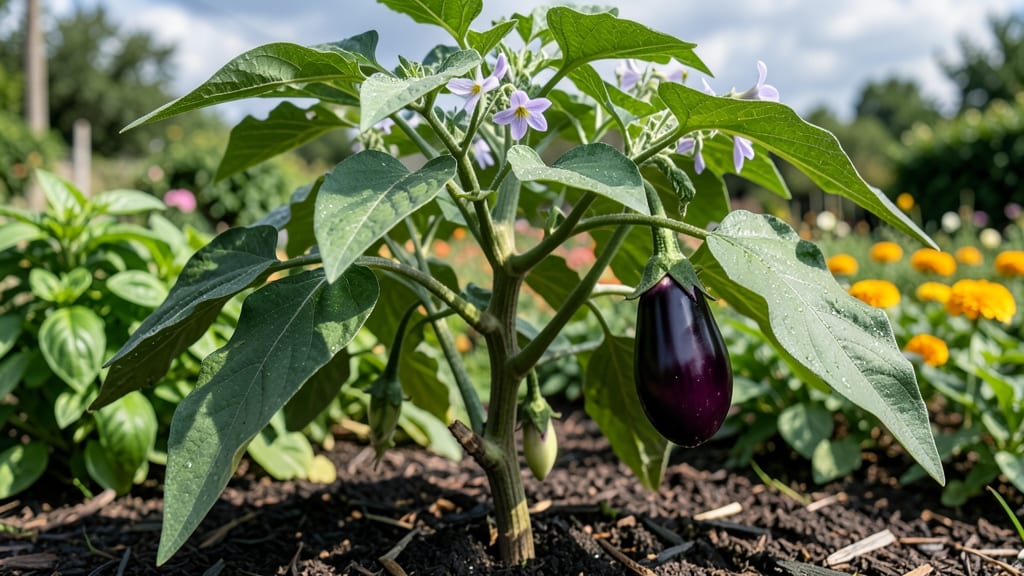
Growing egg stock from garden scraps means using eggshells and vegetable scraps to create a nutrient-rich broth that enriches soil while reducing kitchen waste. This sustainable method transforms food byproducts into a valuable compost additive or liquid fertilizer.
Eggshells are a natural calcium source that improves soil structure and plant growth over time.
When baked and crushed, they break down slowly, releasing minerals that help balance soil pH and deter pests like slugs. 🌱 The resulting stock can be used directly as a liquid fertilizer or composted to further enrich garden beds.
This method aligns with zero-waste practices while providing tangible benefits for your plants.
For best results, combine eggshells with vegetable peels, herb stems, and onion scraps in a pot of water. Simmer for 30-45 minutes to create a flavorful broth that can be strained and used as a nutrient boost for your garden.
The calcium-rich residue left behind makes an excellent addition to compost piles, creating a closed-loop system that benefits both your kitchen and garden.
💡 In This Article
- How Eggshells Boost Soil and Plant Nutrition
- Step-by-Step Guide to Making Egg Stock at Home
How eggshells boost soil and plant nutrition
Eggshells are packed with calcium carbonate—about 95% by weight—making them a powerhouse for soil health. When crushed and returned to the earth, they slowly dissolve, releasing calcium and magnesium that plants crave.
This mineral boost strengthens plant cell walls, particularly in tomatoes, peppers, and leafy greens, which often suffer from calcium deficiencies like blossom-end rot. 🌱 Unlike synthetic fertilizers that deliver quick but short-lived nutrients, eggshells provide a slow-release benefit, mimicking natural decomposition processes.
The porous nature of eggshells also improves soil structure by enhancing aeration and water retention. Think of them as tiny "sponge-like" particles that create pockets for beneficial microbes to thrive.
Studies show that calcium-rich amendments can raise soil pH slightly, creating a more neutral environment where most vegetables prefer to grow (ideal pH range: 6.0-7.0). The sharp edges of crushed shells even deter pests like slugs and snails, which avoid the abrasive texture when crawling through garden beds.
What makes eggshells unique is their dual role as both a fertilizer and pest deterrent. Unlike synthetic fertilizers that require precise measurements and can harm soil biology over time, eggshells provide a balanced, organic solution.
When composted, they break down in 6-12 months, releasing nutrients gradually without risk of over-fertilization. This aligns perfectly with regenerative gardening practices that prioritize long-term soil health over quick fixes. 💫
For maximum benefit, crush eggshells into pea-sized pieces before adding to soil or compost. Larger chunks take longer to decompose, while fine powder dissolves too quickly, potentially altering soil chemistry. The key is balance—aim for a texture similar to coarse sand.
You'll notice plants like broccoli and cabbage developing stronger stems and more vibrant leaves within 4-6 weeks of regular eggshell applications, thanks to the steady calcium supply.
Comparing eggshells to commercial calcium supplements reveals their cost-effectiveness. A single dozen eggshells provides enough calcium to treat 10 square feet of garden bed, while synthetic calcium nitrate costs $15-$25 per pound and requires careful dosing.
The environmental impact is another win: eggshells are a zero-waste solution that repurposes what would otherwise be trash, reducing landfill contributions by up to 2 pounds of waste per household annually. 🌿
For advanced gardeners, consider "pre-charging" eggshells by soaking them in water for 24 hours before baking. This process extracts additional minerals like potassium and phosphorus, creating a nutrient-rich "tea" that can be used as a foliar spray.
The resulting liquid fertilizer is particularly effective for reviving stressed plants or boosting flowering in annuals like marigolds and zinnias. 🌸