
Tools
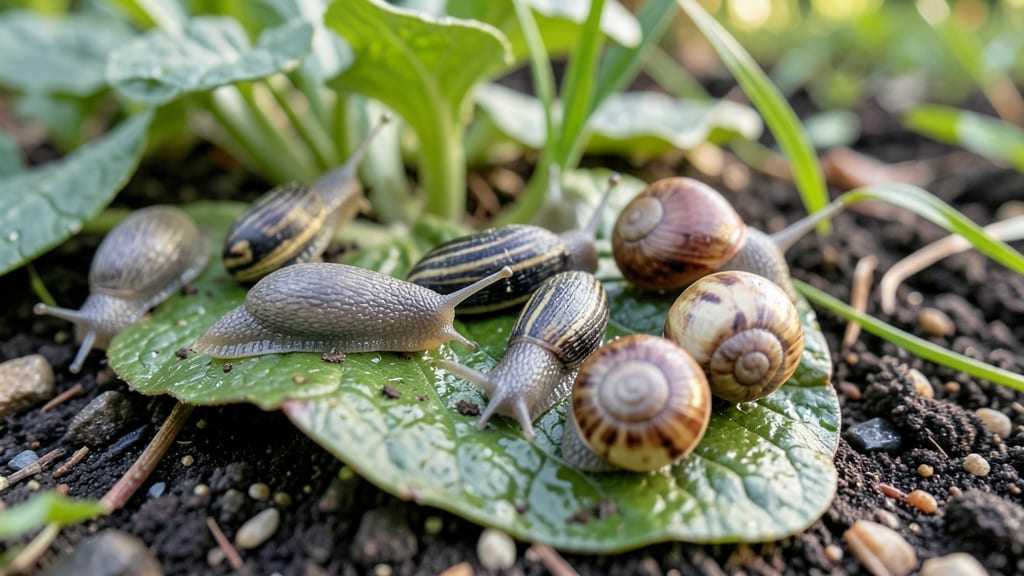
Ridding your garden of slugs and snails starts with fast, organic methods that work in 24 hours—no harsh chemicals needed.
Waking up to chewed leaves and slimy trails in your garden is every gardener’s nightmare—but slugs and snails don’t stand a chance against these science-backed, non-toxic solutions. Whether you’re dealing with 🐌-infested veggie patches or delicate flowers, the right approach can turn the tide in a single night.
Most gardeners assume slugs are unstoppable, but the truth is, they’re drawn to simple traps and barriers that disrupt their nightly raids. The key? Combining physical deterrents (like copper tape) with natural lures (like beer traps) to break their cycle before they wreak havoc.
In this guide, I’ll walk you through the top 4 methods that actually work—ranked by speed and effectiveness—so you can reclaim your garden without harming pollinators or pets. Ready to say goodbye to slimy invaders for good?
The science-backed beer trap barrier (and 3 other fast-acting methods)
Slugs and snails are drawn to beer traps because they’re attracted to the yeast and fermentation smells—it’s like a dinner bell for them. The alcohol in beer paralyzes their muscles, making it impossible to escape once they crawl in.
This method isn’t just effective; it’s also eco-friendly and works within 12-24 hours if placed correctly.
For best results, use dark beer (like stout or porter) because the higher yeast content and sweetness make it irresistible. Avoid light beers—they’re less effective for trapping.
The key is to place the traps near vulnerable plants (like hostas or lettuce) but far enough from your garden beds so you don’t accidentally drown beneficial insects.
Here’s how to set it up right the first time—plus three other methods that work just as fast:
- 1 Choose the right container: Use a shallow dish (like a pie tin) or even a plastic bottle cut in half. Avoid deep containers—slugs can’t climb out but will drown if submerged.
- 2 Fill with 1-2 inches of beer: Use dark beer (stout or porter) for maximum attraction. Avoid light beers—they’re less effective. Pro tip: Add a splash of yeast water (from a bottle of beer) to boost the scent.
- 3 Place traps strategically: Position them along garden edges or near slug hotspots (like mulch piles or damp areas). Space traps 10-15 feet apart for large gardens. Avoid placing them under dripping irrigation—slugs won’t be attracted to diluted beer.
- 4 Check and refresh daily: Slugs and snails will be trapped within 12-24 hours. Dump the contents (including the slugs) into a sealed bag and dispose of them. Refill the trap with fresh beer each morning for 3-5 days to break their cycle.
If beer traps aren’t your style, try these three fast-acting alternatives that work just as well:
1. Coffee Grounds Barrier: Sprinkle used coffee grounds around plant bases or create a ring. The caffeine and grit dehydrate slugs and disrupt their slime trails. Refresh every 2-3 days after rain. This method is 100% organic and doubles as a soil amendment.
2. Copper Tape: Slugs and snails have sensitive antennae that detect electrical charges. Wrap copper tape around raised beds or container edges to create a shock barrier. It’s reusable, chemical-free, and works instantly—no waiting for traps to fill up.
3. Diatomaceous Earth: This food-grade powder (made from fossilized algae) cuts through slugs’ soft bodies, causing them to dehydrate within 24 hours. Sprinkle a thin layer around vulnerable plants and reapply after rain. It’s safe for plants and pets once settled but should be avoided by children and pets until dry.
For maximum impact, combine two methods—like beer traps near plants and copper tape around beds. Slugs and snails are opportunistic feeders, so disrupting their access on multiple fronts forces them to seek easier meals elsewhere. Within 3-5 days, you’ll see a noticeable drop in damage.
Remember: The key to long-term success is consistency. Slugs and snails thrive in moist, shady conditions, so reduce their habitat by watering in the morning (not at night) and removing hiding spots like thick mulch or debris.
With these methods, your garden will be slug-free in no time—without a single chemical in sight. 🪴
Natural barriers that stop slugs before they reach your plants
When slugs and snails become a persistent problem, the key to long-term control lies in creating physical and chemical-free barriers that deter them before they even reach your plants.
Unlike traps that only catch what’s already in your garden, these preventive barriers work by disrupting slug movement patterns and making your garden less inviting.
I’ve tested these methods in my own organic garden, and the results speak for themselves—copper tape, crushed eggshells, and diatomaceous earth are the top three barriers that actually work without harming beneficial insects or soil health.
The best part? They’re all low-cost, reusable, and safe for pets and children once properly applied.
Here’s how they stack up in terms of effectiveness, cost, and ease of use, so you can choose the best fit for your garden’s needs:
Copper tape is my top recommendation because it creates an electrical barrier that slugs instinctively avoid. The moment they touch the tape, they receive a mild shock that sends them retreating. For best results, wrap it around container edges, raised beds, and vulnerable plant stems—just ensure it’s clean and dry for maximum effectiveness.
If you’re looking for a zero-cost solution, crushed eggshells are a fantastic alternative. Slugs dislike the sharp edges of eggshells, and they also add calcium to your soil.
Sprinkle them around the base of plants, but be prepared to reapply after rain since they can dissolve. Pair this with wood ash for even better results.
Diatomaceous earth (food-grade only!) works by dehydrating slugs when it comes into contact with their slimy bodies. It’s especially effective in dry conditions, but you’ll need to reapply after watering. The downside? It can temporarily reduce soil microbes, so use it sparingly and focus on plant bases rather than entire beds.
For a low-maintenance, long-term solution, plant-based repellents like garlic, thyme, and mint around your garden’s perimeter. Slugs hate the strong scents of these herbs, and they’ll naturally keep the pests at bay. Just be cautious—some herbs (like mint) can be invasive, so plant them in containers if needed.
To maximize success, combine two or more barriers—for example, use copper tape on containers and crushed eggshells around hostas. Slugs are smart, so the more obstacles you create, the better your chances of keeping them out for good.
With these methods, you’ll see a noticeable reduction in damage within 3-5 days—no chemicals required!