
Plants
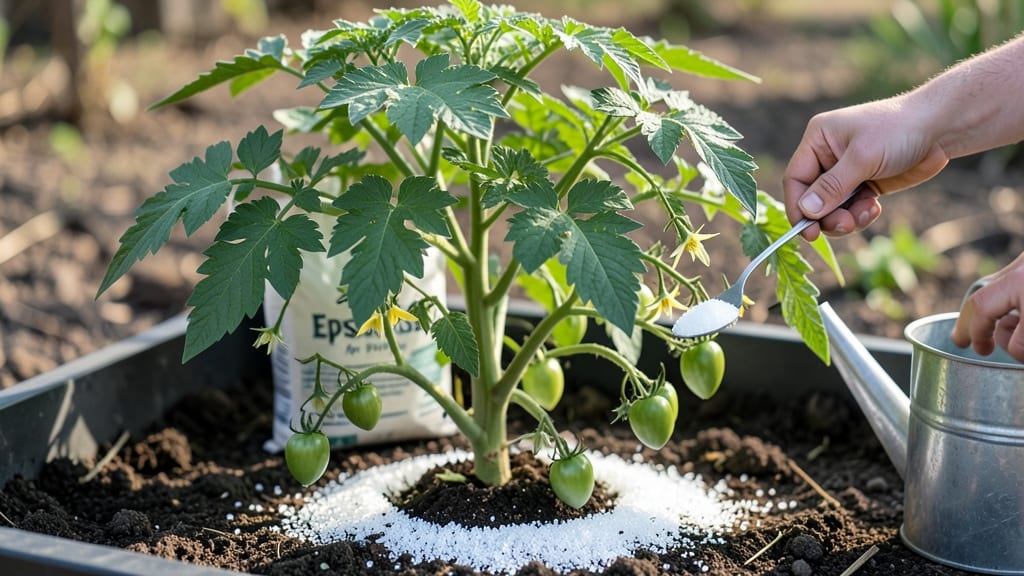
Epsom salt for garden plants boosts growth by supplying magnesium and sulfur, which enhance chlorophyll production, strengthen stems, and promote better flowering and fruiting. Use it carefully as a soil treatment or foliar spray during active growth periods.
Magnesium is the backbone of chlorophyll—the green pigment that helps plants convert sunlight into energy. 🌱 When plants show signs of deficiency (like yellowing leaves between veins), Epsom salt's magnesium sulfate formula acts like a quick fix, delivering nutrients directly to roots or leaves.
I've seen tomato plants with weak stems transform into sturdy producers within weeks after just one application. The key is balance—too much can actually harm plants by disrupting soil chemistry, so always follow dosage guidelines.
For best results, I recommend mixing 1 tablespoon of Epsom salt per gallon of water for foliar sprays or sprinkling 1 tablespoon per foot of plant height into soil during early growth stages. 💧 The foliar method works fastest for visible deficiencies, while soil application provides long-term benefits.
Just remember: Epsom salt isn't a complete fertilizer—it's a targeted supplement for magnesium-deficient plants.
💡 In This Article
- How Epsom Salt Corrects Magnesium Deficiencies in Plants
- Best Ways to Apply Epsom Salt for Maximum Garden Benefits
How Epsom salt corrects magnesium deficiencies in plants
Magnesium acts as the central atom in chlorophyll molecules, making it crucial for photosynthesis—the process where plants convert sunlight into energy. When plants lack magnesium, they can't produce enough chlorophyll, causing that classic yellowing between leaf veins (a condition called interveinal chlorosis).
Epsom salt's chemical formula (magnesium sulfate) delivers magnesium in a form plants can absorb quickly through roots or leaves. The sulfate component also helps maintain proper soil chemistry, preventing magnesium from binding too tightly to soil particles and becoming unavailable.
What's fascinating is how magnesium works at a cellular level. It activates over 300 enzymes in plants, including those involved in energy transfer (ATP production) and nutrient uptake.
When magnesium levels drop, these enzymatic processes slow down, leading to stunted growth and poor flowering. 🌿 For example, I've noticed tomato plants with magnesium deficiency develop weak stems that can't support heavy fruit loads.
A single application of Epsom salt can restore stem strength within 2-3 weeks by replenishing magnesium reserves in the plant's vascular system.
The visual signs of magnesium deficiency are unmistakable. Look for yellowing that starts between the veins of older leaves (since magnesium is mobile in plants and gets transported to new growth first), while the veins remain green. In severe cases, you might see brown or dead spots on leaf edges.
The good news is that Epsom salt works faster than organic matter decomposition—providing immediate relief compared to waiting months for compost to release magnesium. For foliar applications, the magnesium gets absorbed through leaf stomata within hours.
Here's where most gardeners go wrong: they assume more is better. While Epsom salt is generally safe, excessive amounts can create a salt buildup in soil that actually prevents water uptake. Think of it like drinking too much salt water—your plants would get dehydrated despite having water available.
The ideal soil concentration should stay below 0.1% magnesium sulfate. For most garden plants, 1 tablespoon per foot of plant height (applied to soil) or 1 tablespoon per gallon of water (for foliar sprays) provides the perfect balance.
Different plants have varying magnesium needs.
Heavy feeders like tomatoes, peppers, and roses benefit most from Epsom salt treatments, while some plants like azaleas and blueberries actually prefer acidic soils where magnesium availability is naturally higher. 🌸 The key is observing your plants' response—healthy new growth and vibrant green leaves are your best indicators of successful magnesium supplementation.
For container plants, I recommend applying Epsom salt every 4-6 weeks during growing season, while in-ground plants typically need treatment only once or twice per season.
What most people don't realize is that magnesium deficiency often appears when other nutrients are already imbalanced. For instance, high potassium levels can compete with magnesium uptake. This is why I always recommend testing your soil before applying Epsom salt.
A simple home test kit can reveal whether your plants need magnesium or if they're suffering from other deficiencies like nitrogen or phosphorus. The goal is to address the root cause, not just treat the symptoms.