
Tools
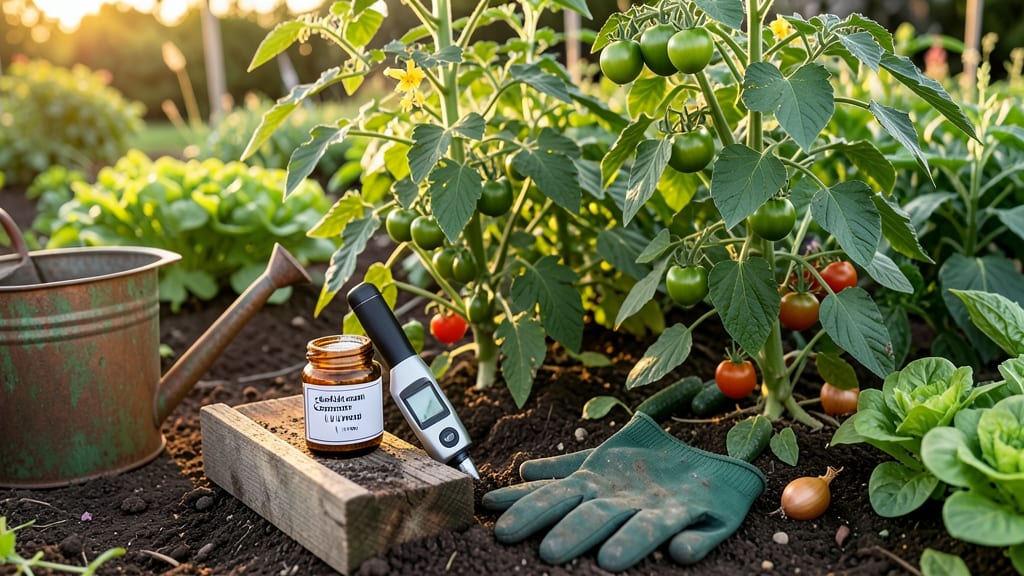
The ideal pH level for garden vegetables ranges from 6.0 to 7.0, though specific crops like blueberries (4.5–5.0) or strawberries (5.5–6.5) thrive in slightly acidic soil. Testing and adjusting soil pH ensures nutrient absorption and healthy growth for most edible plants.
The pH level of your garden soil directly impacts which nutrients your vegetables can access. 🌱 A balanced pH of 6.0–7.0 unlocks essential minerals like nitrogen and phosphorus, while extreme pH levels—either too acidic or alkaline—can lock out critical nutrients, leading to stunted growth or poor yields.
For example, tomatoes and peppers prefer slightly acidic soil around 6.0–6.8, while root vegetables like carrots and beets thrive in neutral to slightly alkaline conditions (6.5–7.5). Understanding these preferences helps you tailor soil amendments to match the needs of your specific crops.
Most gardeners don't realize how quickly soil pH can shift due to factors like rainfall, compost breakdown, or even the decomposition of plant matter. 💫 Regular testing with a simple pH kit (available at garden centers) is the best way to monitor levels.
If your soil is too acidic, you can raise the pH by adding lime or wood ash, while sulfur or peat moss helps lower it. The key is patience—adjustments take time, often several months, so plan ahead for your planting season.
💡 In This Article
- How Soil pH Affects Vegetable Nutrient Absorption
- Adjusting Soil pH for Different Vegetable Crops
How soil pH affects vegetable nutrient absorption
Soil pH determines which nutrients your vegetables can absorb by altering their chemical availability. At a pH of 6.0–7.0, most essential minerals—like nitrogen, phosphorus, and potassium—exist in forms that plant roots can easily uptake.
For instance, nitrogen (critical for leafy greens) becomes locked in unavailable forms when soil is too acidic (pH below 5.5) or too alkaline (pH above 8.0). This creates a "nutrient desert" where plants struggle to grow, even with rich compost.
Phosphorus, vital for root and flower development, is most accessible at pH 6.0–7.0. In acidic soil, it binds tightly to iron and aluminum, making it inaccessible.
Calcium and magnesium also become scarce in alkaline conditions, leading to blossom-end rot in tomatoes or weak stems in peppers. 🌱 The root zone's health suffers too—extreme pH levels disrupt beneficial soil microbes that help break down organic matter, further reducing nutrient availability.
Think of soil pH like a lock-and-key system: the right pH "unlocks" nutrients, while the wrong pH leaves them trapped. For example, iron—needed for chlorophyll production—becomes insoluble in alkaline soil, causing yellowing leaves (chlorosis) even when soil tests show plenty of iron.
This is why leafy greens like spinach and kale often struggle in high-pH soils unless you add chelated iron supplements.
Even slight pH shifts can dramatically alter nutrient dynamics. A 0.5 pH unit change can double or halve the availability of key minerals. For instance, zinc becomes 10x more available at pH 6.0 than at pH 7.5.
This explains why some gardeners see sudden improvements after minor pH adjustments—what seemed like a "well-fertilized" soil suddenly becomes productive when the pH aligns with the plant's needs.
Root health also suffers when pH is off-balance. Acidic soils (pH below 5.5) release toxic aluminum and manganese, damaging root tips. Alkaline soils (>strong>pH 8.0) can cause nutrient deficiencies like potassium or magnesium shortages, leading to stunted growth or poor fruit development.
The ideal range isn't just about nutrients—it's about creating an environment where roots can thrive and explore the soil for resources.
What most gardeners overlook is how pH interacts with organic matter. Compost and manure naturally acidify soil over time as they decompose, which is why regular soil testing is essential. Without adjustments, your carefully amended soil could shift from perfect to problematic in just a season. 💫 The solution?
Test before planting and monitor annually—especially if you're growing multiple crops with different pH preferences.