
Tools
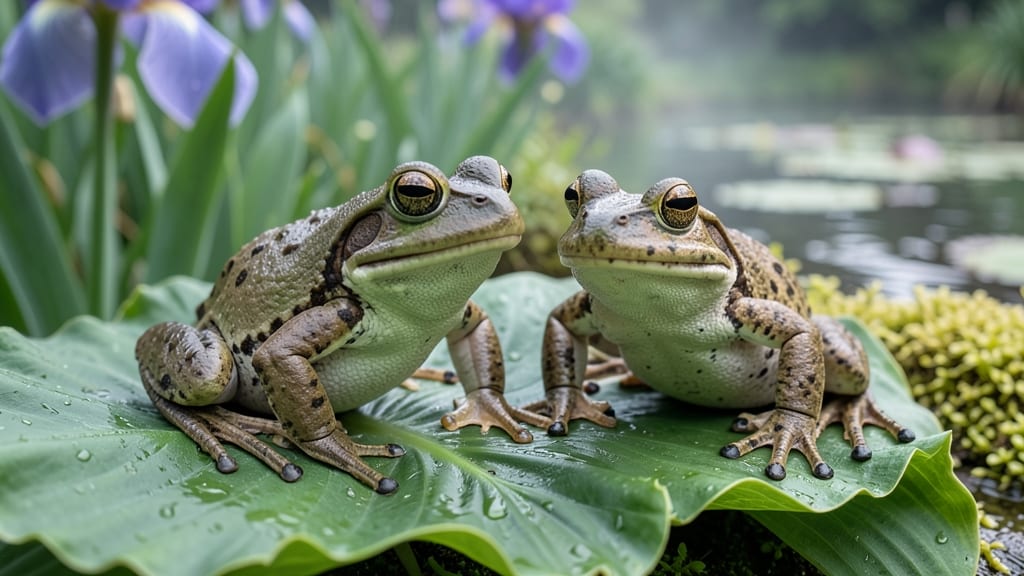
Frogs in your garden are both good and bad—they help control pests like slugs and mosquitoes but may attract predators or leave small droppings that could affect sensitive plants.
Frogs act as nature's pest control team, feasting on garden nuisances that would otherwise wreak havoc on your plants. 🐸 Their diet includes common pests like aphids, cutworms, and even snails, which means fewer chemicals needed for your garden.
Plus, their presence signals a healthy ecosystem—frogs thrive in balanced environments where food and water are plentiful. The trade-off? Their droppings, while minimal, can sometimes create localized nutrient imbalances in delicate flowerbeds or herb gardens.
Most gardeners find the benefits far outweigh the occasional downside, especially when frogs help reduce the need for synthetic pesticides.
To encourage frogs, simply add a shallow water source like a small pond or even a saucer of water with pebbles for safe entry and exit. Avoid pesticides that could harm them, and provide hiding spots like rocks or dense foliage.
If you notice their droppings becoming an issue, a light raking or mulching can help distribute nutrients more evenly. The key is balance—frogs are allies, not invaders, when managed thoughtfully.
💡 In This Article
- How Frogs Benefit Garden Ecosystems
- Managing Frog Populations in Your Garden
How frogs benefit garden ecosystems
Frogs act as natural pest regulators by consuming up to 90% of their body weight in insects daily. Their diet includes garden-damaging pests like slugs, beetles, and mosquitoes, which they hunt using their sticky tongues that can extend up to two-thirds of their body length in milliseconds.
This rapid predation reduces the need for chemical pesticides, creating a healthier garden ecosystem. 💫
Their ecological role extends beyond pest control. Frogs are also indicator species, meaning their presence signals a balanced environment with clean water, diverse plant life, and minimal pollution. Their lifecycle—from tadpole to adult—contributes to soil fertility as their waste decomposes, adding nitrogen and other nutrients.
Unlike mammals, frogs don't dig extensively, so their impact on soil structure is minimal but beneficial.
Frogs also play a subtle role in pollination. While not primary pollinators like bees, their movement between water sources and vegetation can transfer pollen between plants. Some gardeners report increased fruit set in berry plants when frogs are present, likely due to this incidental pollination.
Their croaking at dusk also serves as a natural sound barrier, potentially deterring larger pests like raccoons.
However, their benefits aren't just ecological—they're economic too. Studies show gardens with natural predators like frogs experience 30-50% fewer pest-related crop losses compared to those relying solely on chemical controls.
The cost savings from reduced pesticide use often outweigh any minor drawbacks, like occasional droppings that can be easily managed with mulch or compost.
Consider this comparison: A single frog can eat 100 mosquitoes per hour during peak feeding times, while a garden spray might kill only 50 mosquitoes per application—and often at the cost of harming beneficial insects too.
The selective predation of frogs makes them one of nature's most efficient garden allies. 🌿
What most gardeners don't realize is how frogs' presence actually improves long-term garden health. Their diet breaks down into nutrients that feed soil microbes, creating a more resilient ecosystem. The trade-off—small droppings—is minimal compared to the ongoing benefits they provide throughout the growing season.