
Tools
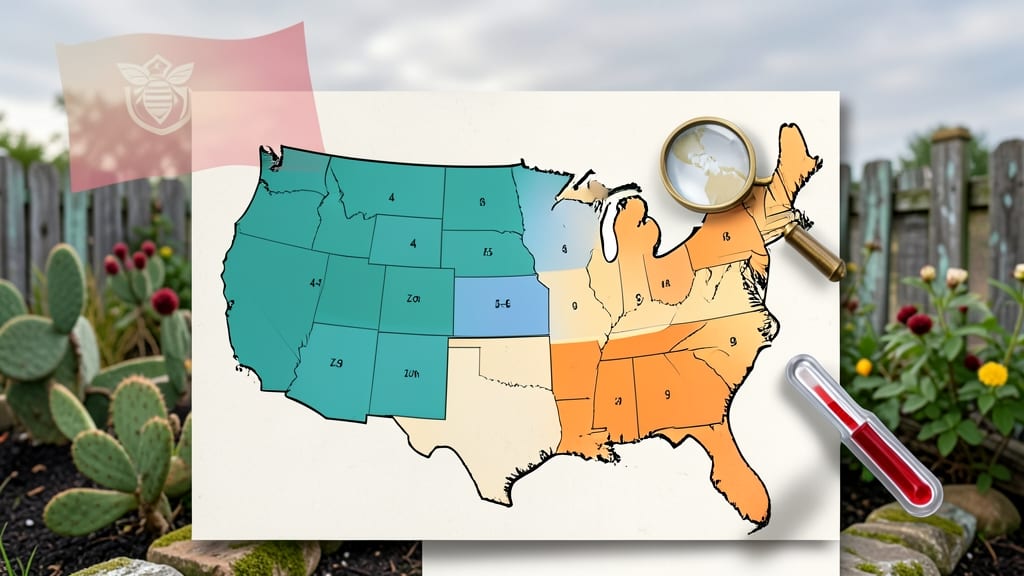
Utah's garden zones range from Zone 4 in high-elevation areas like Park City to Zone 9 in desert regions, with most of the state falling between Zones 5 and 7 due to varied elevation and climate patterns.
Utah's diverse geography creates this wide range—mountain valleys experience colder winters (Zone 4), while low-lying desert areas like St. George enjoy warmer climates (Zone 7-9).
The USDA map accounts for average annual minimum temperatures, but local factors like urban heat islands or mountain shadows can shift your exact zone by 1-2 levels. 🌵 For precise planting advice, I always recommend checking the USDA interactive map and adjusting for your specific microclimate.
What's particularly useful is understanding how these zones translate to your growing season. For example, Zone 5 areas typically have 120-150 frost-free days, while Zone 7 regions can extend that to 180+ days.
This means gardeners in southern Utah can grow tropical plants like bougainvillea that wouldn't survive northern winters. The key is matching your plants' hardiness ratings to your local zone while accounting for those microclimate variations.
💡 In This Article
- USDA Zone Map Breakdown for Utah’s Elevation and Climate Zones
- How to Find Your Exact Utah Garden Zone and Microclimate
USDA Zone map breakdown for Utah’s elevation and climate zones
Utah's dramatic elevation changes create this extreme zone range.
The state's lowest point, Beaver Dam at 4,000 feet, sits in Zone 7b, while Brian Head at 11,300 feet drops to Zone 4a. This 7,300-foot vertical shift explains why a single drive from St. George to Park City can cross four USDA zones.
The Wasatch Front's 5,400-foot elevation places Salt Lake City firmly in Zone 6b, but nearby mountain foothills can drop to Zone 5a within just 10 miles.
The USDA zones correlate directly with average annual minimum temperatures. Zone 4's -30°F to -20°F range explains why alpine areas like Alta ski resort (Zone 4) require cold-hardy plants like winter wheat or hardy orchard fruits.
Meanwhile, Zone 9's 20°F to 30°F minimum in places like Cedar City allows for olive trees and figs that would freeze in northern Utah. The 10°F difference between adjacent zones means your plant choices must shift dramatically even across short distances.
Frost-free days provide the most practical translation of these zones. Zone 5's 120-150 frost-free days limits growing seasons to 4-5 months, while Zone 7's 180+ days extends it to 6 months. This affects everything from vegetable planting schedules to perennial flower selection.
For example, tomatoes need 90-120 days to mature, so they thrive in Zone 7 but struggle in Zone 5 without season extension. The 30-day difference between zones means gardeners in southern Utah can grow sweet potatoes from seed, while northern gardeners must start them indoors.
Microclimates further complicate this picture. Urban areas like Provo can experience 5-10°F warmer nights than rural areas just 5 miles away due to the "urban heat island" effect. Conversely, mountain valleys like Heber Valley can be 15°F colder than nearby towns at lower elevations.
These variations mean your actual growing conditions might differ by 1-2 USDA zones from the official map designation. For instance, a Zone 6a garden in Ogden might feel more like Zone 5b in a sheltered microclimate.
Seasonal temperature swings add another layer. Utah's desert regions experience 30°F daily temperature variations in spring/fall, while mountain areas have 10°F variations. This affects frost timing - a 32°F night in Zone 7 might not harm tender plants that would die in Zone 5.
Understanding these patterns helps explain why some plants thrive in unexpected zones. For example, rosemary survives winters in Zone 7b St. George but dies in Zone 6b Salt Lake City despite both being in similar zones.
Consider these key factors when interpreting Utah's zones:
- Elevation: Every 1,000 feet up drops temperature 3.5°F on average
- Aspect: South-facing slopes get 2-4 hours more sunlight daily
- Water bodies: The Great Salt Lake moderates nearby temperatures by 5-10°F
- Wind exposure: Mountain passes create 20°F wind chills in winter