
Size
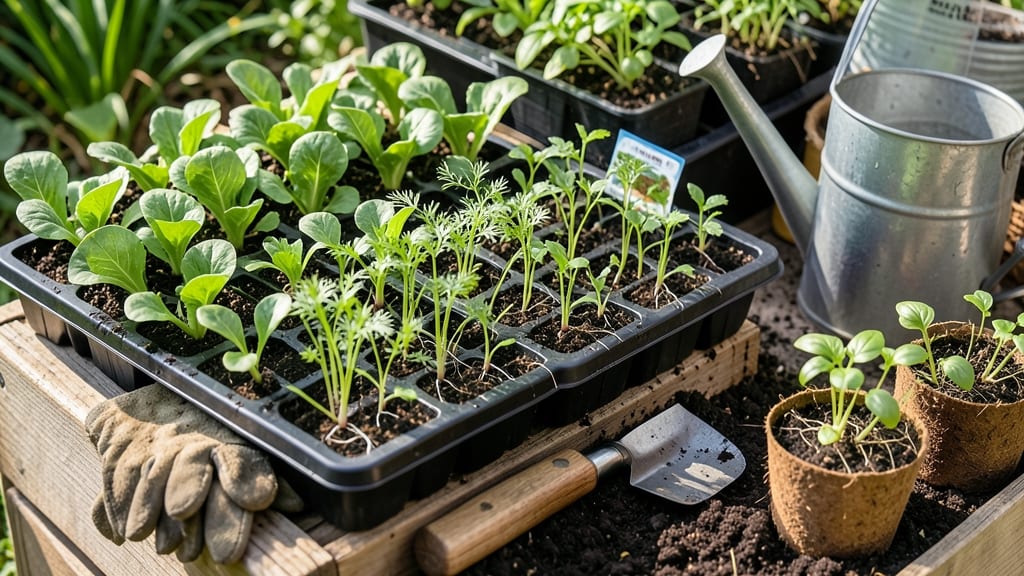
Growing a garden with free stuff means starting with seeds from store-bought produce, turning kitchen scraps into nutrient-rich soil, and repurposing containers like yogurt cups or plastic bottles. Begin with quick-growing plants like green onions, lettuce, or herbs to see results fast.
You don't need money to grow a thriving garden—just creativity and patience. 🌱 Many grocery store fruits and veggies (like tomatoes, cucumbers, and peppers) contain viable seeds you can save and replant.
For soil, compost kitchen scraps like banana peels or coffee grounds with yard waste for a nutrient-packed growing medium. The key is starting small with plants that mature quickly, like radishes in 3 weeks or green onions in 4 weeks, so you can enjoy harvests without waiting months.
This method also teaches kids (or beginners) how plants grow from tiny seeds to edible food.
Once you master the basics, you can expand to larger containers or even vertical gardens using recycled materials. The beauty of this approach is that it turns everyday waste into gardening resources, making it both eco-friendly and cost-effective. Plus, the satisfaction of growing your own food from scratch is unmatched!
💡 In This Article
- How to Source Free Garden Seeds and Soil
- Best Zero-Cost Plants to Start Your Free Garden
How to source free garden seeds and soil
Most grocery store produce contains viable seeds you can harvest for free. Start with fruits like tomatoes, cucumbers, or peppers—simply scoop out the seeds, rinse them in water, and let them dry on a paper towel for 3-5 days.
The key is choosing organic produce, as conventional seeds may be treated with coatings that prevent germination.
For vegetables like lettuce or carrots, save the seeds from dried flower stalks (they look like tiny parachutes!). 🌱 This method works because plants reproduce naturally through seeds, and many store-bought varieties remain true to their parent plant.
Creating nutrient-rich soil costs nothing when you compost kitchen scraps. Begin with a mix of 50% green waste (fruit peels, coffee grounds, veggie scraps) and 50% brown waste (dry leaves, shredded newspaper, grass clippings). The green materials provide nitrogen while browns add carbon—this balance speeds up decomposition.
Place scraps in a bin or buried container, turning the mix weekly. In 4-6 weeks, you'll have dark, crumbly soil perfect for seedlings. For extra nutrients, add crushed eggshells (for calcium) or used tea bags (for trace minerals).
Don't overlook free seed sources beyond your kitchen. Local seed swaps, gardening forums, or even library seed banks often offer free packets. Some plants, like beans or peas, produce seeds that store well for years—just dry them completely before saving.
The science here is simple: seeds need moisture, warmth, and darkness to sprout, which is why starting them indoors in recycled containers (like egg cartons or plastic bottles) gives them the best head start. 💫
For soil alternatives, consider repurposing materials like shredded cardboard (soaked overnight to remove ink) or even used coffee filters as a weed barrier. The texture of these materials mimics natural mulch, retaining moisture while breaking down over time.
What most people don't realize is that even "waste" materials like banana peels or citrus rinds can be composted directly—their high potassium content boosts root growth. This zero-waste approach turns your trash into treasure for the garden.
One advanced tip: Save seeds from heirloom varieties (like cherry tomatoes or zucchini) for better germination rates. These open-pollinated plants produce seeds identical to their parent, unlike hybrid varieties. For soil, layer materials in a 3:1 brown-to-green ratio—this mimics forest floor conditions where decomposition happens most efficiently.
The result is a self-sustaining ecosystem that requires no additional inputs. ✨
Start with these free seed sources to build your garden foundation:
- Tomatoes: Scoop seeds from ripe fruit, ferment in water for 3 days, then dry
- Cucumbers: Extract seeds from flesh, rinse, and dry on paper towel
- Lettuce: Collect seeds from dried flower stalks in late summer
- Herbs (basil, cilantro): Save seeds from dried seed heads