
Tools
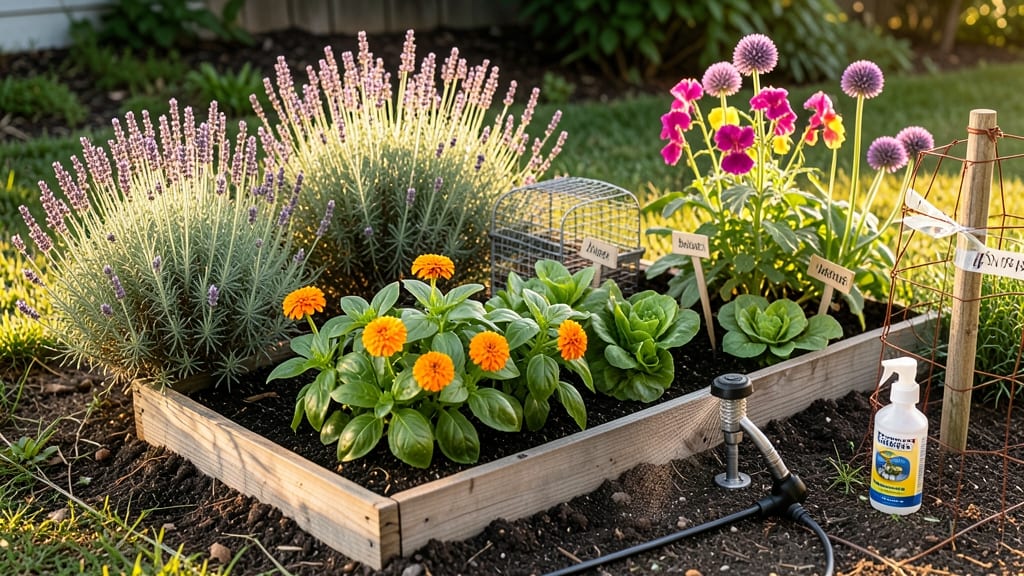
Effective garden animal control starts with humane methods like using pepper spray for squirrels, installing physical barriers for rabbits, and applying plant-based repellents to deter deer. Prevention through habitat changes often works better than reactive solutions.
Most traditional methods—like loud noises or chemical sprays—only create temporary fear responses, making animals more cautious but not eliminating the problem. 🌿 Instead, focus on disrupting their natural foraging cues: squirrels avoid capsaicin (the compound in pepper spray), while rabbits are deterred by simple fencing or raised garden beds.
Deer, being more sensitive to scent, respond well to natural repellents like garlic or predator urine. The key is understanding each species' triggers and acting before they establish routines in your yard.
For example, motion-activated sprinklers work wonders for deer because they associate sudden water bursts with predator attacks. Meanwhile, wrapping young trees in mesh prevents rabbits from gnawing while still allowing growth. These strategies blend science with practicality, giving you long-term protection without harming wildlife.
💡 In This Article
- Why Traditional Deterrents Fail and What Works Instead
- Top 5 Humane Garden Animal Control Strategies by Pest Type
Why traditional deterrents fail and what works Instead
Most gardeners instinctively reach for scare tactics like wind chimes, aluminum pie plates, or even fake owls—but these rarely work long-term. The problem lies in how animals process sensory cues.
Squirrels, for example, have a 400-degree field of vision and quickly learn that stationary objects (like plastic owls) pose no threat.
Their memory for spatial patterns means they'll bypass "scary" decorations after just 2-3 exposures. 🔥 The same goes for rabbits, whose keen sense of smell (10,000 times more sensitive than humans') ignores artificial predator scents unless they're constantly refreshed.
Sound-based deterrents face similar limitations. Most animals associate sudden noises with natural threats like storms or predator calls—but only if the sound mimics specific frequencies. A 2,000-4,000 Hz range (similar to a hawk's screech) triggers deer to flee, while squirrels respond to 800-1,200 Hz ultrasonic pulses.
The catch? These frequencies must be unpredictable in timing and volume to remain effective. A predictable motion-activated device loses impact after 7-10 days as animals learn to ignore it.
What actually works? Disrupting their foraging instincts through scent-based conditioning. Squirrels avoid capsaicin (the compound in pepper spray) because it burns their sensitive nasal passages, while rabbits reject garlic-based repellents due to its sulfur compounds mimicking toxic plants.
Deer, being herbivores with strong territorial instincts, respond to predator urine (like coyote or fox) because their natural behavior includes avoiding areas marked by apex predators. 🌿 The key is creating an environment where animals associate your garden with discomfort—not just fear.
Physical barriers succeed where scare tactics fail because they remove the animal's access entirely. For instance, hardware cloth (1/4-inch mesh) prevents rabbits from digging, while tree guards (made from PVC pipes) protect young saplings from deer browsing.
These methods work because they eliminate the animal's ability to exploit your garden's resources, unlike deterrents that merely create temporary avoidance.
Consider the science behind habitat modification: deer avoid areas with 3-4 feet of dense shrubbery because it limits their visibility, while ground-feeding birds like sparrows are deterred by reflective tape strips that mimic predator movements.
The most effective systems combine multiple approaches—like planting daffodils (toxic to deer) around your garden while installing motion-activated sprinklers for added protection. This layered defense mimics natural ecosystems where multiple predator cues create a cumulative deterrent effect.
Remember: animals learn through repetition and association. A single scare tactic might work for a week, but long-term control requires understanding their behavioral triggers. For example, squirrels will eventually overcome fear of a pepper spray application if they don't experience the burning sensation consistently.
The solution? Rotate your deterrents seasonally—switching from scent-based repellents in spring to physical barriers in fall when animals are more desperate for food. 💫