
Tools
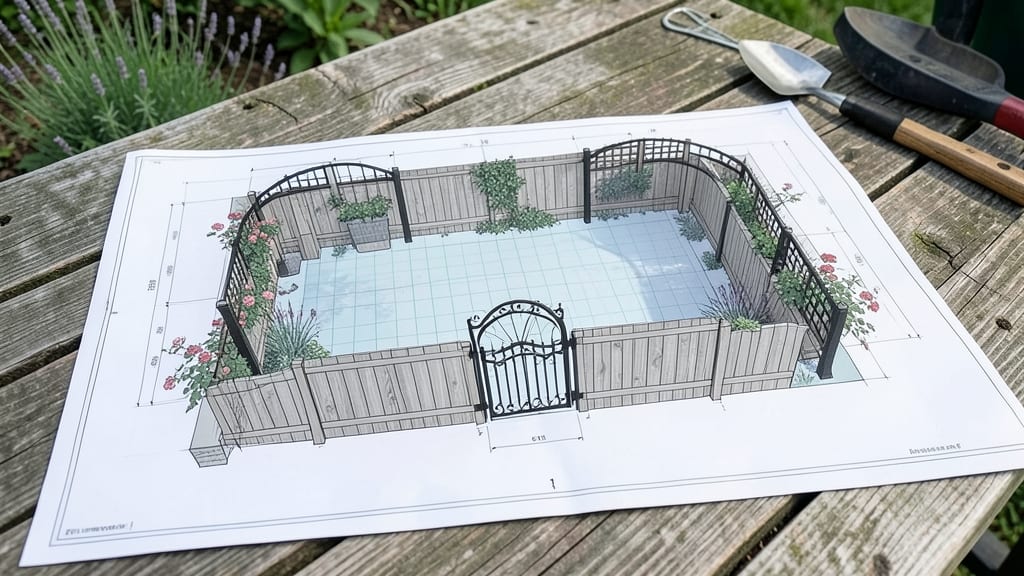
Creating garden enclosure plans transforms tight spaces into functional, private oases by using vertical gardens, lattice panels, or modular fencing. Opt for cedar or bamboo for natural beauty, metal for low maintenance, and always prioritize airflow and sunlight access to keep plants thriving.
Enclosures aren't just about adding walls—they're about creating ecosystems.
A well-designed structure can double your growing space by going vertical, while also keeping critters out and neighbors' eyes in. 🌿 For example, a 6-foot-tall lattice fence can support climbing beans or jasmine, turning a narrow strip into a lush, productive zone.
The key is balancing height (for privacy) with ventilation (to prevent fungal issues) and choosing materials that match your climate—like powder-coated metal in humid areas or cedar in dry regions.
Don't overlook the psychological boost: enclosures make gardening feel more intentional. Whether you're enclosing a small herb spiral or a full raised bed, the right design turns maintenance into a satisfying ritual. Start with your biggest challenge—like shielding veggies from rabbits—and build from there.
💡 In This Article
- Key Factors in Designing Effective Garden Enclosures
- Top 7 Space-Saving Enclosure Ideas for Small Gardens
Key factors in designing effective garden enclosures
Privacy is the primary driver for most garden enclosures, and height plays a critical role. A 5-6 foot structure blocks line-of-sight from neighbors, while 7-8 feet creates a fully secluded space.
The science here involves light obstruction: taller enclosures cast deeper shadows, which can reduce sunlight exposure to 30-40% for plants at the base. This is why semi-transparent materials like lattice or woven bamboo are ideal—they allow 60-70% light penetration while still providing visual screening.
Pest control works through physical barriers and environmental manipulation. A 1/4-inch mesh prevents most insects, while a 2-foot-high skirt around the base deters burrowing rodents. The airflow factor is often overlooked: stagnant air creates humidity pockets that encourage fungal growth.
Enclosures with 1-inch gaps at the top or sides allow ventilation while keeping pests out. For example, a cedar trellis with 3-inch spacing between slats works beautifully for climbing plants while maintaining airflow.
Material selection directly impacts maintenance and longevity. Cedar naturally resists rot and insects, lasting 15-20 years with minimal treatment, while bamboo offers a 3-5 year lifespan but requires sealing. Metal options like powder-coated aluminum resist rust but can overheat in direct sun, potentially damaging heat-sensitive plants.
The trade-off here is clear: natural materials blend better visually but need more upkeep, while synthetic options last longer but may feel less organic.
Placement affects both functionality and aesthetics. Attached enclosures (like those built against a house) save space but may create temperature extremes—south-facing walls can reach 10-15°F warmer than open areas. Freestanding structures offer flexibility but require 2-3 feet of clearance for maintenance access.
Semi-circular designs maximize perimeter space for climbing plants while minimizing structural materials. The key measurement here is the plant's mature height: a 10-foot trellis needs 12-foot clearance to accommodate full growth without shading.
Ventilation isn't just about airflow—it's about creating microclimates. A well-designed enclosure can raise temperatures by 5-10°F during the day while retaining warmth at night, extending the growing season by 2-3 weeks. This is why many gardeners use partial enclosures (like three-sided structures) that capture heat while allowing breezes.
The material's thermal mass matters too: stone or brick absorbs and slowly releases heat, while metal conducts it away quickly.
Don't forget about the psychological impact of enclosure design. Curved edges feel more inviting than sharp corners, while open tops create a sense of spaciousness. The golden ratio (1:1.618) can be applied to proportions for visually pleasing structures.
For example, a 4-foot-wide enclosure should be 6.5 feet long for balanced aesthetics. These details transform a functional space into a garden retreat.