
Advice
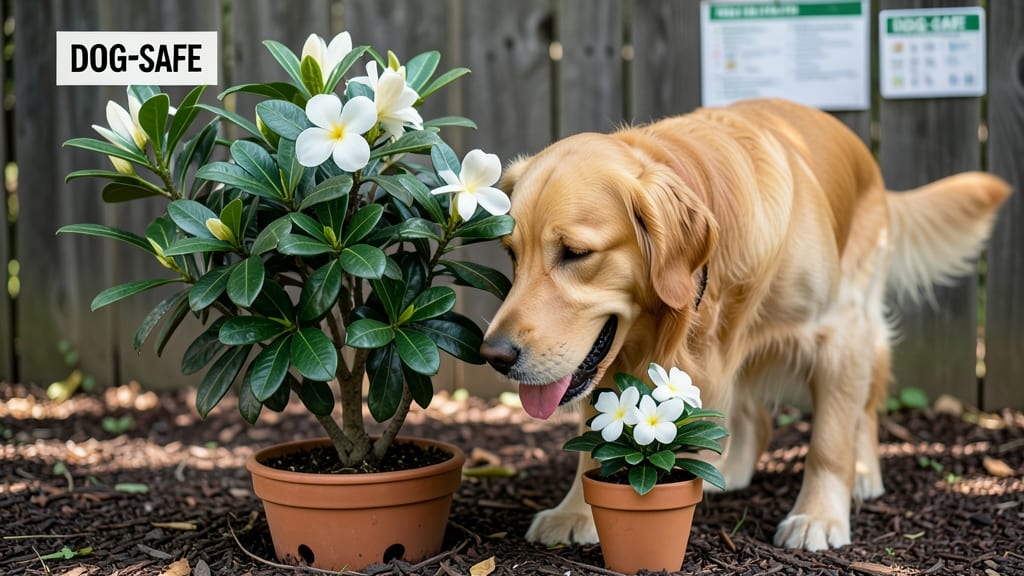
Gardenia plants are not dog-safe—their leaves, flowers, and stems contain toxic compounds like saponins and gardenoside, which can cause vomiting, diarrhea, and lethargy in pets. Keep them out of reach to prevent accidental ingestion.
When your furry friend sniffs out these fragrant blooms, the risks go beyond just curiosity—they can trigger serious digestive upset. 🐾 Gardenias contain saponins, which create soapy mouth irritation, and gardenoside, a compound that disrupts normal organ function.
Even small nibbles can lead to drooling, weakness, or abdominal pain, with symptoms appearing within hours. The flowers may look harmless, but their stems and leaves pack the most concentrated toxins, so always monitor access to garden beds and indoor arrangements.
If you suspect your dog has ingested any part of a gardenia plant, contact your vet immediately—early intervention can prevent complications. 🚑 For pet owners who love the look of gardenias, consider placing them in hanging baskets or high shelves where curious paws can't reach.
This simple precaution keeps your home's beauty intact while protecting your pet's health.
💡 In This Article
- Toxic Compounds in Gardenia Plants and Their Effects on Dogs
- Safe Garden Alternatives for Pet-Friendly Landscaping
Toxic compounds in gardenia plants and their effects on dogs
Gardenia plants contain two primary toxins that pose risks to dogs: saponins and gardenoside. Saponins are naturally occurring glycosides that create a soapy, bitter taste when ingested, which dogs find unappealing but can still consume.
These compounds disrupt cell membranes in the digestive tract, leading to inflammation and irritation. 🌿 The concentration of saponins is highest in the leaves and stems, where they serve as a defense mechanism against herbivores.
A single leaf can contain enough saponins to cause mild to moderate gastrointestinal upset in a small dog.
Gardenoside, the second toxin, is a cyanogenic glycoside that releases cyanide when metabolized—a process that occurs in a dog's liver.
While gardenias contain relatively low levels of cyanide compared to other plants like cherry pits, the combination of saponins and gardenoside creates a double threat. 🐕 The leaves are particularly dangerous because they contain both compounds in higher concentrations than the flowers.
For example, a 10-pound dog ingesting just two large leaves might experience symptoms within 6-12 hours, while a 50-pound dog could tolerate slightly more before showing signs of distress.
The severity of symptoms depends on the plant part consumed and the dog's size. Flowers may cause mild drooling or vomiting, but leaves and stems often trigger more severe reactions, including abdominal pain, lethargy, and even tremors in extreme cases.
The ASPCA reports that gardenia toxicity typically results in mild to moderate cases, but individual reactions vary widely. 🚨 For instance, a Shih Tzu might show symptoms after nibbling just one flower, while a Labrador Retriever could handle a small amount without immediate effects—though long-term exposure remains risky.
Beyond physical symptoms, gardenia toxins can also affect a dog's nervous system.
Saponins may cause neurological irritation, leading to weakness or disorientation, while gardenoside's cyanide byproduct can impair oxygen transport in the bloodstream. 💡 This is why vets often recommend inducing vomiting if ingestion occurs within 2 hours, as activated charcoal can help bind the toxins before they're absorbed.
Always keep your vet's number handy—early intervention makes all the difference.
If you're unsure whether your dog has ingested gardenia, look for these telltale signs: excessive drooling, vomiting, diarrhea (sometimes with blood), or unusual lethargy. 🐾 These symptoms can appear as quickly as 30 minutes after ingestion or take up to 12 hours to manifest.
The flowers themselves may not seem dangerous, but their stems and leaves are the real culprits—so always supervise your pet around gardenia plants, even in outdoor settings.
For pet owners who love the look of gardenias, consider placing them in hanging baskets or high shelves where curious paws can't reach.
Alternatively, opt for pet-safe alternatives like spider plants or sunflowers, which offer similar aesthetic appeal without the toxicity risk. 🌸 The key is balancing beauty with safety—your dog's health shouldn't have to suffer for a pretty garden.