
Planting
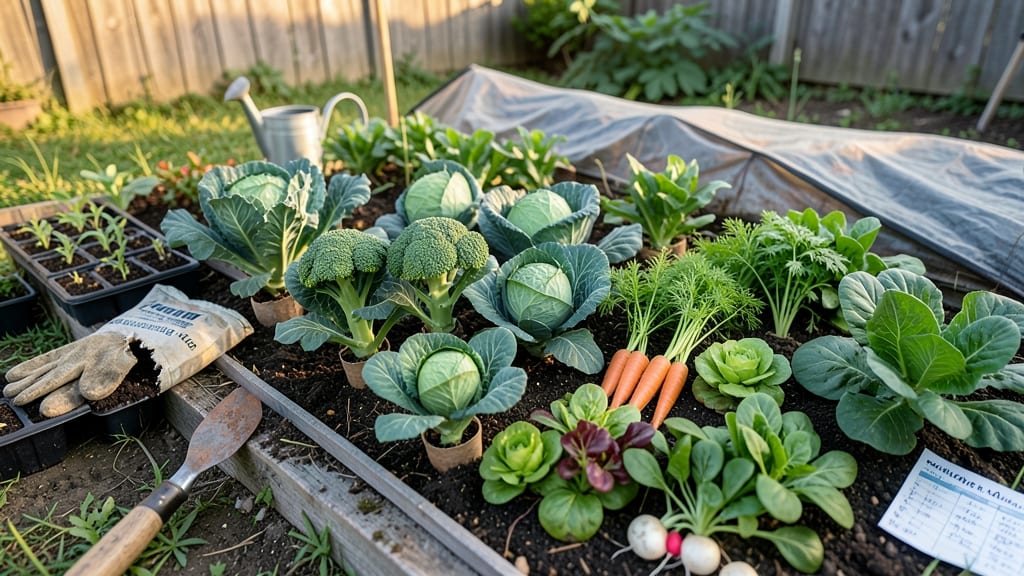
To plant a fall garden in South Texas, start between late August and mid-September—just as the summer heat begins to ease and before the first hint of frost arrives.
South Texas gardeners know the summer heat can be brutal—but with the right timing, you can beat the heat and grow a thriving fall garden. The key? Planting heat-tolerant varieties at the perfect moment to avoid wilting before cooler weather arrives.
This isn’t just about avoiding frost—it’s about working with the monsoon season, soil moisture, and the unique microclimates of South Texas. Plant too early, and your seedlings may bolt in the heat; too late, and you miss the ideal window for strong root development before winter.
In this guide, I’ll break down the exact planting dates for your favorite heat-resistant crops, how to extend your growing season, and the common mistakes that trip up even experienced gardeners in USDA Zones 9a-10a.
South Texas fall planting calendar: exact dates for heat-tolerant vegetables
Timing is everything in South Texas gardening, where 100°F+ temperatures can linger into September. The secret to a successful fall garden lies in planting heat-tolerant varieties during the monsoon transition—typically between mid-August and early October.
This window captures the tail end of summer rains while avoiding the brutal peak heat of July.
Unlike northern gardens, South Texas doesn’t have a hard frost to mark the season’s end. Instead, we focus on soil temperature drops (below 85°F) and daytime highs under 90°F.
Planting too early risks bolting in heat-sensitive crops, while waiting too long means shorter harvest windows before winter chill sets in.
Here’s your heat-tolerant planting schedule, broken into three critical phases: pre-monsoon (late July), monsoon (August-September), and post-monsoon (October). Each phase offers unique advantages for different crops.
🌱
For okra and cowpeas, the pre-monsoon window (late July) is ideal because these crops thrive on summer humidity but need cooler nights to set pods. I’ve had my best yields by sowing seeds when the 24-hour average temperature drops to 82°F or lower.
During the monsoon phase (August-September), focus on sweet potatoes and black-eyed peas. These crops benefit from consistent rainfall but require well-draining soil to avoid rot. Amend clay-heavy South Texas soil with compost or sand before planting.
By October, shift to cool-season crops like collards and Swiss chard. These plants can handle light frosts and even improve in flavor after a light freeze. I always plant these 6 weeks before the average first frost date (December 15 in most of South Texas).
Pro tip: Use a soil thermometer to track temperatures. Most heat-tolerant crops prefer soil temps between 70°F and 85°F for germination. If your soil runs hotter, shade cloth or mulch can help regulate temperatures.
🌿
Don’t forget to mulch heavily after planting to retain moisture. South Texas’s clay soils dry out quickly, and drip irrigation is your best friend during the transition from monsoon to dry season.
Aim for 1-2 inches of water per week, delivered slowly in the early morning to prevent fungal issues.
Finally, monitor your garden for pests like aphids and whiteflies, which thrive in the warm fall weather. Neem oil or insecticidal soap applied in the early evening can keep these pests in check without harming your plants.
How to extend your South Texas growing season with strategic planting
Extending your South Texas growing season isn't just about planting at the right time—it's about creating the perfect environment for your crops to thrive through the late summer heat and into fall.
The key is combining shade solutions, smart irrigation, and soil moisture retention to keep your plants happy when temperatures still hover in the 90s.
I've learned that even the hardiest plants struggle without proper support during this transition period. For example, my Malabar spinach plants wilted dramatically last year until I installed 30% shade cloth—now they thrive well into October.
The right strategies can push your harvest window by 4-6 weeks compared to traditional planting schedules.
Here are my proven tactics to maximize your fall harvest in South Texas:
- Install shade cloth (30-50%) over seedlings in late August to block 10-15% more sunlight than full sun areas.
- Set up drip irrigation on 2-hour timers during peak heat (10 AM-4 PM) to deliver 1-2 inches of water weekly.
- Add 2-3 inches of mulch (straw or wood chips) to retain 30% more soil moisture and prevent evaporation.
- Plant companion crops like basil with tomatoes or marigolds with peppers to improve heat tolerance through natural shade and pest control.
- Test soil moisture daily in peak heat—when top 2 inches are dry, it's time to water deeply.
- Use black plastic mulch for warm-season crops to raise soil temps by 5-10°F while suppressing weeds.
- Harvest leafy greens in morning (before 9 AM) when temps are cooler for best texture and flavor.
One of my favorite tricks is the two-tier planting system—I plant heat-tolerant crops like okra and sweet potatoes in early August, then add cooler-season varieties like kale and lettuce under shade cloth in mid-September. This staggered approach gives me continuous harvests from September through December.
Don't forget about soil temperature—keep it between 70-85°F for optimal germination. I use a soil thermometer to monitor conditions, especially when planting seeds. If temps exceed 90°F, consider using seedling trays under shade until conditions improve.
With these strategies, you can enjoy fresh tomatoes, peppers, and leafy greens well into November, even in South Texas' challenging climate. The secret is patience and preparation—your fall garden will reward you with longer harvest windows and healthier plants than you'd get from traditional planting methods. 🌱