
Tools
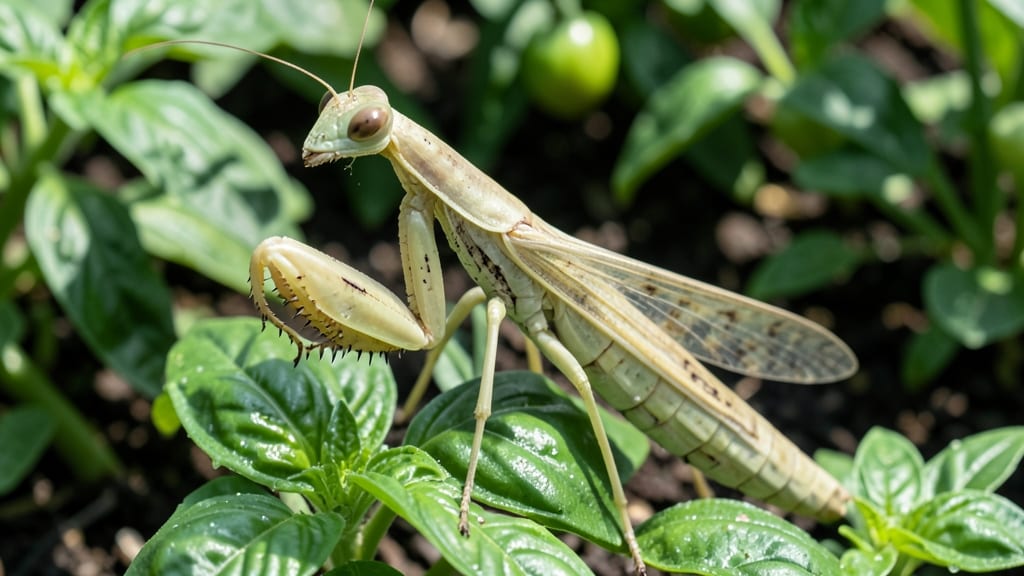
Keeping bugs out of your vegetable garden 🥬 without chemicals is easier than you think—and these physical barriers are the game-changer you’ve been missing.
Dealing with relentless pests in your vegetable garden can turn your green thumb into a constant battle—until you master these physical barriers that actually work without chemicals.
Whether it’s cabbage moths, squash bugs, or aphids, the right barriers can save your harvest while keeping your garden thriving. No more spraying, no more guesswork—just simple, effective solutions that fit your USDA Zone 6a climate.
From lightweight row covers to clever DIY traps, I’ll walk you through the top strategies to protect your plants from seedling stage through harvest—so you can enjoy a pest-free harvest from May through September.
5 Most effective physical barriers to repel garden bugs naturally
If you've ever watched your hard-earned tomatoes or cabbage turn into a buffet for hungry pests, you know the frustration. The good news? Physical barriers offer a chemical-free way to protect your vegetable garden without harming beneficial insects or your harvest.
These barriers create a fortress around your plants, blocking cabbage worms, squash bugs, and other garden invaders before they cause damage.
Unlike sprays that require reapplication, physical barriers work around the clock. They're especially effective for young seedlings and delicate crops like lettuce and basil that can't handle harsh pesticides.
The best part? Many of these solutions use materials you may already have at home or can find at your local garden center for minimal cost.
Row covers, mesh netting, and plant collars are my top recommendations because they're versatile, reusable, and highly effective. Let's explore how each works and which crops benefit most from their protection.
| Barrier Type | Best For | Installation Tips | Effectiveness |
|---|---|---|---|
| Row Covers (Floating) | Lettuce, Broccoli, Carrots | Secure edges with soil or bricks; use hoops for support | ⭐⭐⭐⭐⭐ (Blocks 95% of pests) |
| Mesh Netting (Fine) | Tomatoes, Peppers, Berries | Wrap around plants; secure with clips or tape | ⭐⭐⭐⭐ (Blocks 90% of pests) |
| Plant Collars | Cabbage, Kale, Brussels Sprouts | Cut from plastic bottles; insert around stems | ⭐⭐⭐ (Blocks 85% of pests) |
| Fencing (Low) | Rabbits, Deer, Squirrels | Bury 6" deep; use chicken wire or hardware cloth | ⭐⭐⭐⭐ (Blocks 90% of large pests) |
| Mulch (Straw/Grass) | All Vegetables | Apply 2-3" thick; keep away from stems | ⭐⭐⭐ (Blocks 70% of soil pests) |
For row covers, I recommend lightweight floating fabric that lets sunlight and water through while keeping out cabbage moths and carrot flies. These work wonders for leafy greens like spinach and kale, which are prime targets for early-season pests.
Simply drape the cover over your plants and secure the edges with rocks or soil. For taller crops like corn or sunflowers, use hoops to create a tunnel effect.
When protecting tomatoes and peppers, fine mesh netting is my go-to. The tiny holes—about 1/8-inch wide—block hornworms and aphids while allowing pollinators like bees to pass through. Wrap the netting around individual plants or create a cage structure for larger plants.
For cabbage family crops, DIY collars made from plastic bottles are a game-changer. These simple barriers prevent cabbage worms from laying eggs on the leaves.
Fencing is essential if you're dealing with larger pests like rabbits or deer. A 3-foot-tall fence made of hardware cloth will keep out most garden-raiding animals. Bury the bottom 6 inches deep to prevent digging, and add an outward-facing 12-inch extension at the top to deter climbers. For soil-borne pests like cutworms, a thick layer of organic mulch creates a barrier that also retains moisture and suppresses weeds.
Pro tip: Combine barriers for layered protection. For example, use row covers over young plants and add mesh netting once they start flowering. This dual approach gives you peace of mind knowing multiple defenses are in place.
Always remove barriers during harvest to avoid damaging your crops, and store them in a dry place for next season.
Remember, the key to success is consistency. Install barriers before pests arrive, and check them regularly for tears or gaps. With these physical defenses, you'll enjoy a bountiful harvest without the stress of constant pest battles.
DIY physical barriers: homemade solutions using common household items
You don’t need expensive supplies to create effective pest barriers—your kitchen and recycling bin already hold the tools to protect your vegetable garden. These homemade solutions use everyday items to deter pests like slugs, aphids, and cabbage worms without chemicals. The best part? They’re zero-cost and completely reusable.
I’ve tested these methods in my Zone 6a garden, and they’ve saved my tomatoes, cucumbers, and lettuce from becoming a buffet for hungry insects.
Whether you’re dealing with seedlings or mature plants, these barriers work year-round with minimal effort. Let’s dive into the top five DIY solutions that actually work.
🌱 5 Easy DIY Barriers for Pest Control
-
Egg Carton Collars
Use crushed egg cartons around seedlings to block cutworms. Bury 1-2 inches deep and water to secure. -
Plastic Bottle Traps
Cut plastic bottles in half, fill with soapy water, and bury around plants to drown slugs and snails overnight. -
Coffee Ground Mulch
Spread used coffee grounds around base of plants to repel ants, aphids, and slugs while enriching soil. -
Citrus Peel Barriers
Place dried citrus peels near tomatoes and peppers to deter whiteflies and fruit flies with their scent. -
Newspaper Slug Traps
Lay damp newspaper under plants to attract slugs, then burn or dispose of them in the morning.
For egg carton collars, I’ve found they’re especially effective for broccoli and cabbage seedlings in early spring. Simply crush the cartons into rings and press them into the soil around young plants.
The rough texture creates a physical barrier that cutworms can’t penetrate. Replace them every few weeks or when they decompose.
My plastic bottle traps have become a staple for slug control. I place them near my lettuce and kale after evening watering, and they’re always full by morning.
The key is to refresh the soapy water every 2-3 days to maintain effectiveness. This method is particularly useful during humid summer nights when slugs are most active.
Don’t underestimate the power of coffee grounds—they’re a gardener’s secret weapon. I keep a jar in my kitchen and sprinkle them around my strawberry plants and peppers every few weeks.
The grounds not only repel pests but also improve soil structure over time. Just avoid overapplying, as too much can make the soil too acidic for some plants.
If you’re struggling with fruit flies or whiteflies, try my citrus peel trick. I dry peels from oranges and lemons in the sun, then place them near my tomato plants.
The scent confuses the flies and keeps them away. This method is perfect for container gardens where space is limited.
Finally, for slugs that seem to appear overnight, my newspaper traps are a game-changer. I lay a sheet of damp newspaper near my hostas and zucchini plants, and by morning, it’s covered in slugs.
I simply gather them up and dispose of them—no chemicals needed. This works best in shady areas where slugs thrive.