
Planting
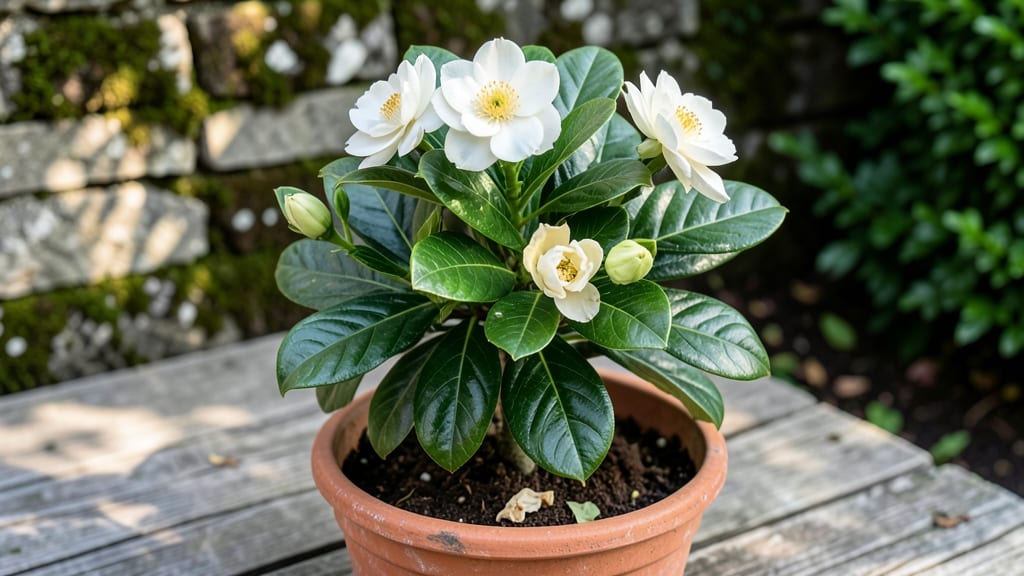
Gardenia plants thrive in USDA hardiness zones 7 through 11, where they naturally tolerate temperatures between 10°F and 30°F (-12°C to -1°C). Exposure below 32°F (0°C) can cause irreversible damage, so gardeners in zones 6 and colder must take special precautions to protect their plants.
Gardenia's sensitivity to cold stems from its tropical origins, where consistent warmth fuels its lush growth. 🌿 The most common variety, Gardenia jasminoides, struggles when temperatures dip below 32°F (0°C), leading to leaf burn and root damage.
Even brief cold snaps can trigger dormancy, stunting blooms for the next season. If you're growing gardenias in marginal zones, consider container cultivation—potted plants can be moved indoors or wrapped in frost cloth during winter months.
For gardeners in zones 6 and colder, creating a microclimate near south-facing walls or using thick mulch around the base can make a significant difference. Pruning back dead growth in late winter also helps redirect energy toward new growth once warmer weather arrives. 💫
💡 In This Article
- Gardenia Cold Sensitivity and Temperature Thresholds
- Extending Gardenia Growth in Marginal Zones
Gardenia cold sensitivity and temperature thresholds
Gardenia's cold sensitivity stems from its tropical heritage, where its delicate physiology thrives in consistent warmth (65-85°F / 18-29°C). The plant's broad, glossy leaves contain high moisture content—up to 75% water—which freezes at 32°F (0°C), causing cellular rupture and brown, crispy leaf edges within hours.
This is why gardenias exhibit leaf burn even at temperatures just below their official hardiness range.
Root systems are equally vulnerable, as gardenias develop shallow, fibrous roots that extend only 12-18 inches deep. When soil temperatures drop below 45°F (7°C), root activity slows dramatically, starving the plant of nutrients.
The most cold-hardy variety, Gardenia jasminoides 'Kleim's Hardy', can survive brief dips to 15°F (-9°C) but only if acclimated gradually—a process that takes 4-6 weeks of cooler nights. 🌱 In contrast, tropical varieties like Gardenia augusta show visible damage at 40°F (4°C).
Temperature fluctuations accelerate stress by disrupting the plant's natural rhythms. Gardenias rely on stable warmth to produce their signature fragrant white blooms, which form on new growth. Sudden cold snaps trigger abscission layers at leaf stems, causing premature leaf drop.
Even if the plant survives winter, it may skip flowering entirely the following season—a phenomenon called cold-induced dormancy.
Here's how different varieties compare in cold tolerance:
- Gardenia jasminoides: 15-20°F (-9 to -7°C) (with protection)
- Gardenia radicans: 25-30°F (-4 to -1°C) (more cold-sensitive)
- Gardenia augusta: 35°F (2°C) (most vulnerable)
Wind exacerbates cold damage by increasing wind chill, which can drop effective temperatures by 10-15°F (-12 to -9°C). This is why gardenias planted in exposed locations show more severe damage than those sheltered by fences or buildings.
The plant's waxy leaf coating, while protective against pests, becomes brittle in cold winds, leading to leaf desiccation.
What most gardeners overlook is how soil moisture affects cold tolerance. Wet soil conducts cold more efficiently than dry soil, increasing root damage risk.
In zones 7-9, gardeners should reduce watering by 50% in late fall to allow soil to dry slightly before winter—a technique called drought hardening that improves cold resistance.