
Advice
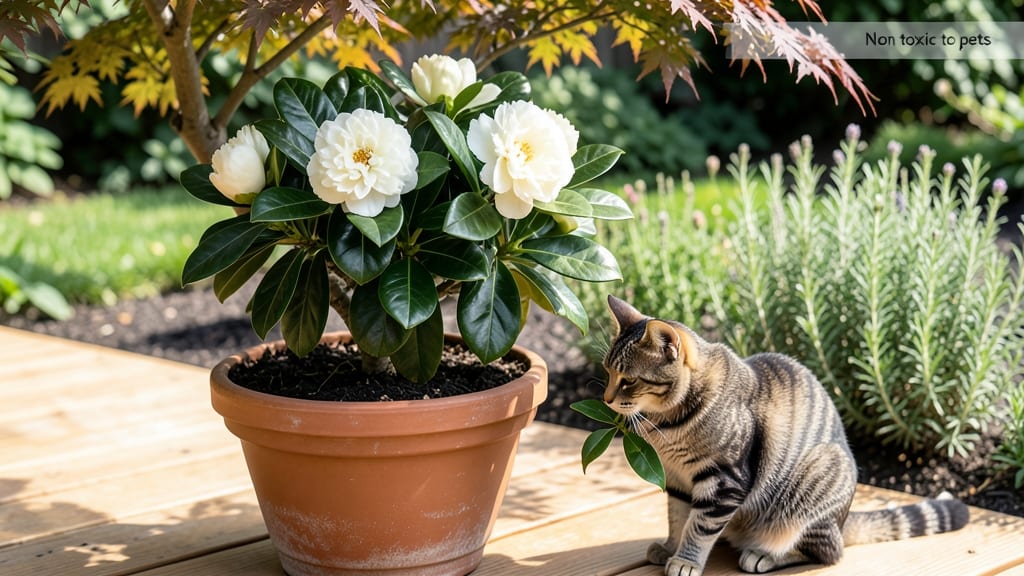
Are gardenia plants pet-safe? No—they pose serious risks to cats and dogs, as their leaves, flowers, and stems contain harmful compounds like saponins and gardenin that can trigger vomiting, drooling, or lethargy. Keep them out of reach or choose safer alternatives like spider plants or Boston ferns.
Gardenias contain natural toxins that disrupt your pet's digestive system, often leading to symptoms like diarrhea or weakness within hours of exposure. 🐾 The ASPCA confirms these plants rank among the most dangerous for cats, whose smaller size makes them especially vulnerable.
Even a single nibble can cause problems, so I always recommend removing gardenias from homes with pets or placing them in hanging planters where curious paws can't reach.
If you love the look of gardenias but worry about toxicity, consider pet-friendly alternatives like African violets or sunflowers, which offer vibrant colors without the risks. These options are just as beautiful and much safer for your furry family members.
💡 In This Article
- Toxic Compounds in Gardenia: What Triggers Pet Illness?
- Top 5 Pet-Friendly Flower Alternatives to Gardenia
Toxic compounds in gardenia: what triggers pet illness?
Gardenia plants contain two primary toxins that harm pets: saponins and gardenin. Saponins are naturally occurring glycosides that create soapy lather when mixed with water, and they irritate the gastrointestinal tract by disrupting cell membranes.
Gardenin, a specific compound found in gardenias, acts as a mild neurotoxin that can cause muscle weakness and coordination issues. When ingested, these compounds trigger an immune response in pets, leading to inflammation and tissue damage in the digestive system.
The severity of symptoms depends on factors like the pet's size, the amount consumed, and individual sensitivity. Cats are particularly vulnerable because their smaller bodies process toxins more intensely.
For example, a 10-pound cat might show symptoms after eating just one leaf, while a 50-pound dog could tolerate slightly more before showing signs. Common reactions include excessive drooling, vomiting, diarrhea, and lethargy, which typically appear within 6-12 hours of ingestion.
In severe cases, pets may experience difficulty breathing or even seizures.
Here's what happens chemically: saponins bind to cholesterol in cell membranes, creating pores that allow fluids to leak out. This disrupts normal digestion and nutrient absorption, leading to dehydration and weakness. Gardenin, meanwhile, interferes with nerve signal transmission, causing tremors or staggering.
The combined effects can leave pets feeling miserable and require immediate veterinary attention. 🐱 What makes this especially concerning is that gardenias are often placed in high-traffic areas where pets might brush against them or chew on fallen petals.
Cats are more susceptible due to their grooming habits and curious nature. Their tongues contain specialized papillae that enhance taste sensitivity, making them more likely to investigate new textures—like the waxy surface of gardenia leaves.
Dogs, while also at risk, often show milder symptoms because their larger size distributes the toxin load more evenly. However, both species can develop long-term liver or kidney damage if the toxins aren't properly metabolized.
If you suspect your pet has ingested gardenia, act quickly. Rinse their mouth with water, remove any remaining plant material, and contact your vet immediately. Never induce vomiting without professional guidance, as some toxins can cause additional damage on the way back up.
The ASPCA Poison Control Center reports that gardenia-related cases spike during spring when plants are in full bloom, making awareness especially critical during this season.
To visualize the risk: imagine a gardenia leaf as a tiny time bomb. The outer surface contains concentrated saponins, while the inner tissues hold gardenin. Even a small bite exposes pets to both compounds simultaneously, creating a double threat to their health.
This is why prevention—like placing plants in hanging baskets or behind baby gates—is far more effective than waiting for symptoms to appear.