
Plants
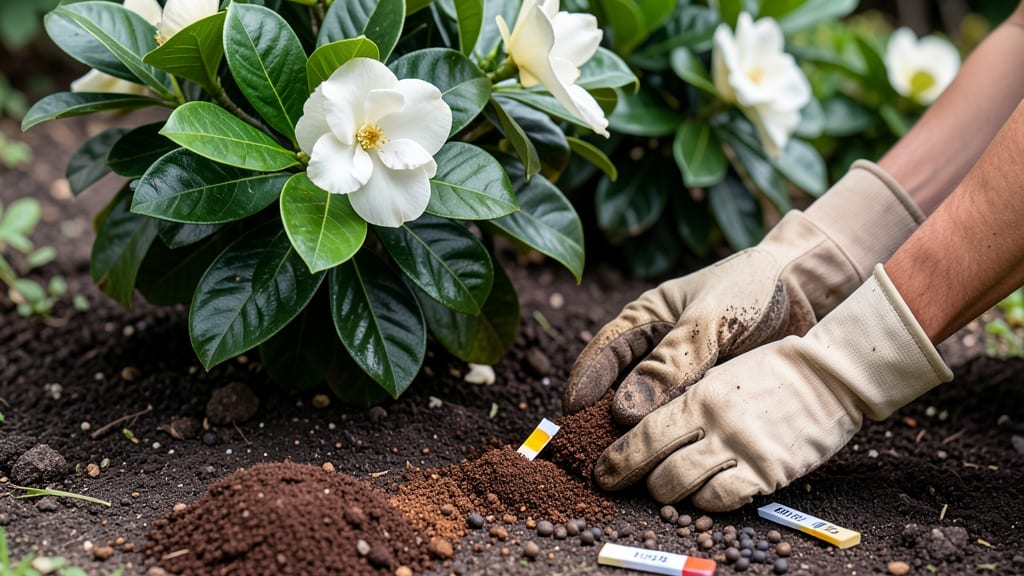
Coffee grounds are good for gardenia plants because they naturally lower soil pH and enrich it with organic nutrients, but using them properly is key—too much can harm roots or attract pests. Always compost fresh grounds before applying.
Gardenias love slightly acidic soil (pH 5.0–6.5), and coffee grounds help create that environment by breaking down into humus, which boosts microbial activity. 🌱 However, the caffeine in fresh grounds can inhibit seed germination and may repel beneficial worms if overused.
I recommend mixing composted grounds into the top inch of soil once every 2–3 months, or brewing a weak compost tea (1:10 ratio) to avoid over-acidifying. For a quick test, sprinkle a pinch on soil—if it smells bitter, it’s too strong.
Overdoing it can lead to yellowing leaves or mold, so balance is everything. Many gardeners pair coffee grounds with pine needles or peat moss to stabilize pH levels. If your gardenias show signs of stress, flush the soil with water to dilute excess acidity.
💡 In This Article
- How Coffee Grounds Impact Gardenia Soil pH and Nutrition
- Safe Ways to Use Coffee Grounds for Gardenia Care
How coffee grounds impact gardenia soil pH and nutrition
Coffee grounds lower soil pH by releasing organic acids—like acetic and citric acid—as they decompose. Gardenias thrive in slightly acidic soil (pH 5.0–6.5), and coffee's breakdown products help maintain this range.
When fresh grounds decompose, they release nitrogen in a slow, steady form, feeding soil microbes that break down organic matter into plant-available nutrients. This process mimics natural forest floor conditions where gardenias originally evolved.
However, the caffeine in fresh grounds (about 1–2% by weight) acts as a natural herbicide at high concentrations, which can inhibit root growth if overapplied. The ideal application rate is 1–2 cups of composted grounds per plant every 2–3 months, spread lightly over the soil surface.
Too much can create a thick, compacted layer that repels water and reduces oxygen flow to roots. Think of it like adding a pinch of lemon juice to tea—just enough to enhance flavor, not overwhelm it.
The real magic happens when coffee grounds are composted first. Composting neutralizes caffeine and converts grounds into humus, a dark, crumbly soil amendment that improves water retention and aeration.
This humus also binds to heavy metals in soil, reducing their availability to plants—a bonus for gardenias, which can be sensitive to aluminum toxicity in overly acidic conditions. For a quick test, mix 1 part composted grounds to 10 parts soil and check pH after 2 weeks.
Overuse risks include yellowing leaves (chlorosis) from excess acidity or mold growth due to moisture retention. If you notice white fungal threads or a sour smell near the base of your gardenia, flush the soil with water to dilute acid levels.
To balance pH, pair coffee grounds with wood ash (sparingly) or crushed eggshells, which add calcium and raise pH slightly. The key is moderation—like a well-brewed cup of coffee, the right amount enhances growth without burning the plant.
Gardenias also benefit from the microbial boost coffee grounds provide. These microbes break down complex organic matter into simpler nutrients like phosphorus and potassium, which gardenias need for vibrant blooms. The texture of composted grounds creates tiny air pockets in soil, improving root respiration.
Imagine your gardenia's roots taking a deep breath—this is the kind of environment coffee grounds help create when used correctly.
For visual learners, think of coffee grounds as a slow-release fertilizer with a pH-adjusting side effect. The dark, granular texture contrasts with lighter soil, making it easy to see where you've applied them.
When mixed into the top 1–2 inches of soil, they blend seamlessly, providing nutrients without altering the plant's appearance dramatically. This subtle integration is why many professional growers recommend them for acid-loving plants like azaleas and camellias alongside gardenias.