
Aphids
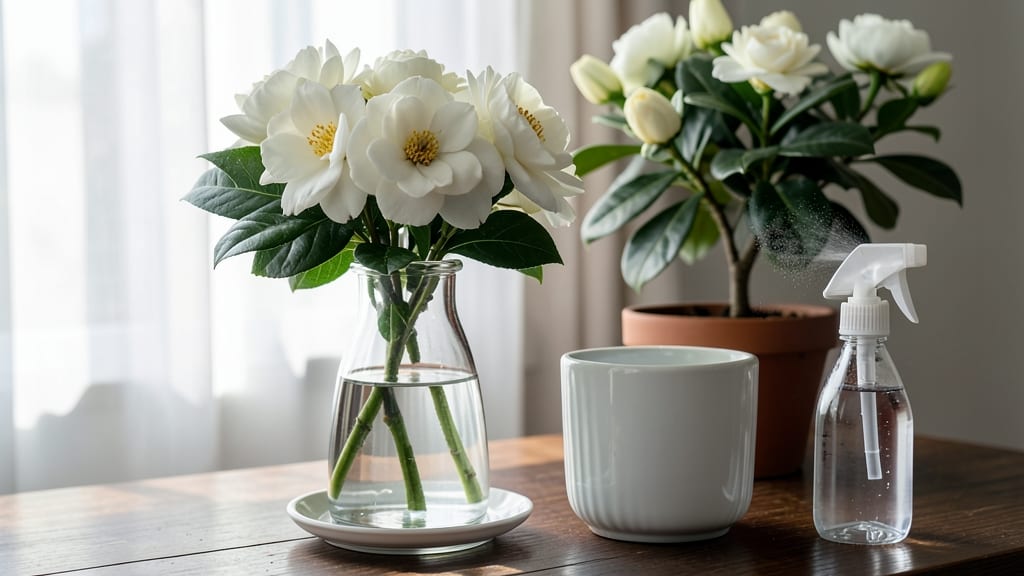
Gardenia vase life typically lasts 5 to 7 days when cared for properly, though it can reach 10–14 days with ideal conditions like fresh cuts, clean water, and controlled humidity.
Gardenias are famously delicate, and their lifespan in water depends heavily on how you prepare them.
Unlike hardier blooms, gardenias lose moisture quickly through their waxy petals, which is why proper stem trimming and water changes every 2–3 days make all the difference. 🌸 I’ve found that adding a splash of bleach to the water (just a few drops) prevents bacterial growth, which is a common cause of premature wilting.
The key is treating them like a high-maintenance diva—they reward attention with days of fragrant beauty.
Another game-changer is humidity. Gardenias thrive in environments with 40–60% humidity, so placing them near a pebble tray with water or misting them lightly in the morning can add 2–3 extra days to their vase life.
Avoid placing them near heaters or AC vents, as temperature fluctuations stress the blooms. With these adjustments, you’ll get the most out of their naturally short but aromatic lifespan.
💡 In This Article
- Why Gardenias Wilt Faster Than Other Flowers
- Step-by-Step Guide to Maximizing Gardenia Vase Life
Why gardenias wilt faster than other flowers
Gardenias have a naturally short vase life because their thick, waxy petals are designed to repel water—not absorb it. Unlike roses or lilies, which have porous petals that drink up water slowly, gardenias rely on their stems to deliver hydration.
This waxy coating also traps moisture inside the petals, creating a humid microclimate that speeds up decay. 🌸 The problem is compounded by their high moisture loss rate: gardenias lose up to 10% of their weight daily through transpiration, compared to just 3–5% for roses.
Another major factor is ethylene gas sensitivity. Gardenias produce their own ethylene as they age, which accelerates wilting—something you won’t see in hardier flowers like orchids or snapdragons.
Even small amounts of ethylene from nearby fruits (like apples) or household sources (like gas stoves) can cut their lifespan by 2–3 days. This is why gardenias often wilt faster in homes with poor ventilation or high humidity fluctuations.
Botanically, gardenias are tropical evergreens adapted to high humidity and stable temperatures. In a vase, they struggle with the dry air common in homes (often 30–40% humidity), causing their petals to crisp at the edges.
Compare this to orchids, which can last 2–3 weeks in water because their roots absorb moisture differently, or lilies, which store water in their stems for 10+ days. Gardenias simply lack these built-in survival mechanisms.
Even their stems work against them. Gardenia stems contain a high concentration of vascular blockage compounds that clog the xylem (water-conducting tissue) within 24–48 hours of cutting. This is why a fresh stem cut at a 45-degree angle is critical—it exposes more surface area for water uptake.
Without this step, the stem’s natural defenses starve the flower from within, leading to wilting within 3–5 days.
Finally, their fragrance comes with a trade-off. The same oils that make gardenias so aromatic also attract bacteria and fungi to their petals. Unlike roses, which have antimicrobial compounds in their petals, gardenias offer little natural defense.
This is why adding 1 teaspoon of sugar + 2 drops of bleach to the vase water can extend their life by 3–5 days by slowing bacterial growth.
In short, gardenias are nature’s high-maintenance divas—their beauty comes with built-in fragility. Understanding these botanical quirks is the first step to giving them the care they deserve. 💫