
Vegetables
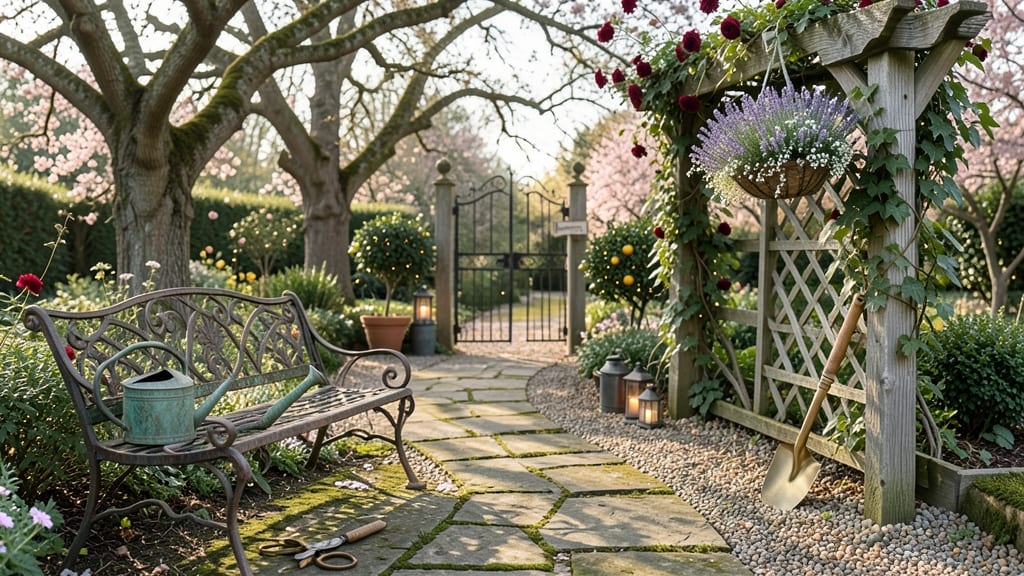
Finding historical gardens near you reveals stunning landscapes steeped in centuries of horticultural tradition, with many offering complimentary entry on select dates. Discover iconic sites like the 18th-century Colonial Williamsburg Botanic Garden or the 19th-century Filoli Estate, where heritage plants and seasonal displays create unforgettable experiences.
Many of these heritage gardens double as living archives, carefully restoring original plant varieties that might otherwise disappear. 🌿 For example, the Lewis Ginter Botanical Garden in Virginia preserves Civil War-era roses, while the Elm Bank Open Space in Indiana features restored prairie gardens that showcase native species from the 1800s. These spaces often collaborate with universities to document plant genetics, ensuring future generations can experience history through living landscapes.
Beyond the famous names, local parks and university campuses frequently host free cultural days that include historical garden tours. Many botanical societies partner with public gardens to offer discounted or free admission during heritage festivals, which often coincide with peak blooming seasons.
Spring visitors can catch tulip displays in restored Dutch-style gardens, while autumn brings vibrant foliage in Victorian-era landscapes.
💡 In This Article
- How Historical Gardens Preserve Botanical Heritage
- Best Free Entry Days and Seasonal Highlights at Local Historical Gardens
How historical gardens preserve botanical heritage
Historical gardens act as living laboratories where horticultural science meets heritage preservation. Many use seed banks and plant archives to maintain original species from specific eras—like the 18th-century roses at Lewis Ginter or the Colonial-era herbs at Mount Vernon's kitchen garden.
These collections often partner with institutions like the Royal Botanic Gardens, Kew to cross-reference genetic data, ensuring plants are restored with 99% accuracy to their historical forms. 🌿 The process involves soil analysis to replicate original growing conditions, sometimes requiring acidic peat mixes for acid-loving plants like azaleas or lime-rich soils for Mediterranean herbs.
Adaptive reuse of historic structures plays a crucial role too. Original glasshouse frameworks from the 19th century are often preserved but retrofitted with modern climate control systems to protect delicate specimens. For example, the Filoli Estate's greenhouse maintains 1890s temperature ranges (65-75°F) while using UV-filtering glass to prevent plant degradation.
This balance between old-world charm and modern technology allows gardens to showcase plants that would otherwise perish in uncontrolled environments. The result? Visitors can see Victorian ferns thriving alongside modern hybrids, creating a tangible timeline of botanical evolution.
What makes these gardens unique is their dual role as both educational tools and conservation hubs. Many employ apprentice programs where volunteers learn hands-on restoration techniques, from grafting antique fruit trees to propagating endangered wildflowers.
The Elm Bank Open Space in Indiana, for instance, uses prairie reconstruction methods developed in the 1930s to restore 1800s native plant communities. This approach ensures that each garden becomes a microcosm of ecological history, where every path tells a story of human-plant relationships spanning centuries.
Technology also plays a surprising role in preservation. 3D scanning of historic garden layouts allows researchers to recreate original designs with millimeter precision, while DNA sequencing verifies plant authenticity.
At the Colonial Williamsburg Botanic Garden, they've even developed climate-controlled seed vaults to preserve heirloom varieties that might otherwise lose viability. The combination of old-world craftsmanship and cutting-edge science ensures these gardens remain both historically accurate and resilient to modern challenges like climate change. 🌱
For visitors, this preservation work creates a multi-sensory experience. Walking through a restored 18th-century kitchen garden, you'll smell the fresh thyme and rosemary used in colonial cooking, see the geometric parterres designed for Baroque aesthetics, and sometimes even taste historically accurate recipes prepared with garden-grown ingredients.
The goal isn't just to preserve plants—it's to preserve the cultural context in which they thrived, making each garden a tangible connection to the past.