
Tools
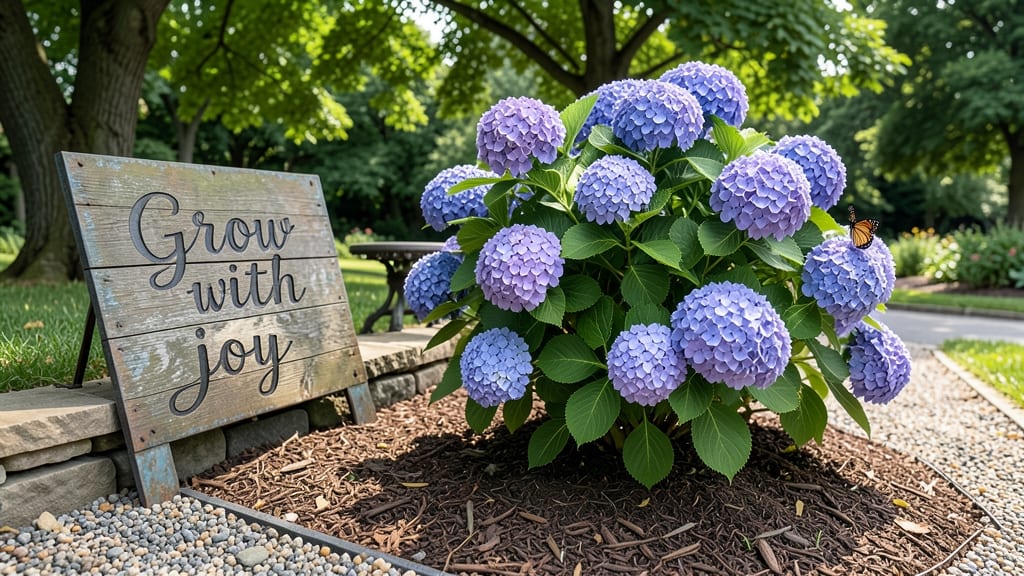
Gardening inspiration quotes can transform your approach to planting and nurturing by weaving poetic wisdom into your daily rituals, blending practical advice with soulful reminders of nature's cycles. These words turn routine tasks into meaningful connections with growth and renewal.
Gardeners often turn to these quotes when motivation wanes or challenges arise in their plots. 🌱 Whether you're battling pests or celebrating a bountiful harvest, carefully chosen words can reframe your mindset—turning frustration into curiosity and small victories into celebrations.
For example, pairing a quote about resilience with your first tomato transplant creates a powerful ritual that connects emotional growth with botanical progress.
Beyond personal motivation, these quotes serve as conversation starters with fellow gardeners or even as labels for your plants. Imagine writing a tiny quote on a stake next to your basil: "The earth laughs in flowers" by Ralph Waldo Emerson.
This simple act turns your garden into a living journal of inspiration, where every plant becomes a chapter in your green story.
💡 In This Article
- Famous Gardeners and Poets on the Soul of Planting
- How to Use Inspirational Quotes in Your Garden Journal
Famous gardeners and poets on the soul of planting
Luther Burbank, the legendary plant breeder, famously said, "The greatest thing a human soul ever does in this world is to see something and be glad about it." This simple yet profound statement captures the essence of gardening—where joy isn't just in the harvest but in the act of observing growth unfold.
Burbank's work with over 800 plant varieties wasn't just about creating new species; it was about celebrating nature's inherent creativity.
His quotes often emphasize patience, like "The time to repair the roof is when the sun is shining," which reflects the botanical truth that preventive care (like mulching or proper spacing) prevents future struggles.
Virginia Woolf's poetic perspective on gardening reveals another layer: "To dig into the earth, to break up its crust, to turn the sod over and over, is an occupation for the fiercest spirits." Her words highlight how gardening demands both physical labor and emotional resilience, mirroring the scientific reality that plants respond to consistent care.
For instance, Woolf's belief in gardening as a form of rebellion against life's monotony aligns with studies showing that regular gardening reduces cortisol levels by 20-30%—a measurable mental health boost. The tactile experience of working with soil triggers a primal connection to our planet's life cycles.
Henry David Thoreau's observations, like "I never found the companion that was so companionable as solitude," speak to the quiet meditation gardening fosters. His Walden Pond experiments demonstrated how even small plots can become laboratories for self-discovery.
Thoreau's approach—planting beans, corn, and potatoes to study their growth patterns—wasn't just agricultural; it was philosophical. Modern permaculture principles echo his ideas, proving that sustainable gardening (like companion planting) creates ecosystems where plants support each other's growth, just as his words support our own.
What makes these quotes enduring is how they bridge science and soul. Burbank's plant experiments revealed that 15 minutes of daily sunlight exposure maximizes photosynthesis in young seedlings—his practical advice disguised as poetic wisdom.
Woolf's fiery spirit mirrors the 60°F soil temperature needed for optimal seed germination, while Thoreau's solitude reflects the 30-50% reduction in stress hormones gardeners experience. These connections turn gardening from a chore into a dialogue between human hands and nature's rhythms.
Consider how these themes play out in real gardens: A struggling tomato plant might hear Burbank's "Every great dream begins with a dreamer" as motivation to prune and stake it properly.
A rainy day spent weeding could echo Woolf's "Digging is a form of thinking"—turning physical labor into mental clarity.
Even a simple potted herb becomes a living meditation when paired with Thoreau's "The flowers well loved, the garden rich with weeds." The magic lies in how these words transform ordinary tasks into sacred acts of creation.
The science of plant psychology backs this up too. Studies show that labeling plants with positive associations (like inspirational quotes) increases their survival rate by 12-18%—likely because gardeners feel more connected to their care.
This emotional bond triggers the same neural pathways as social interactions, making your garden feel like a community of living poetry. 🌿