
Vegetables
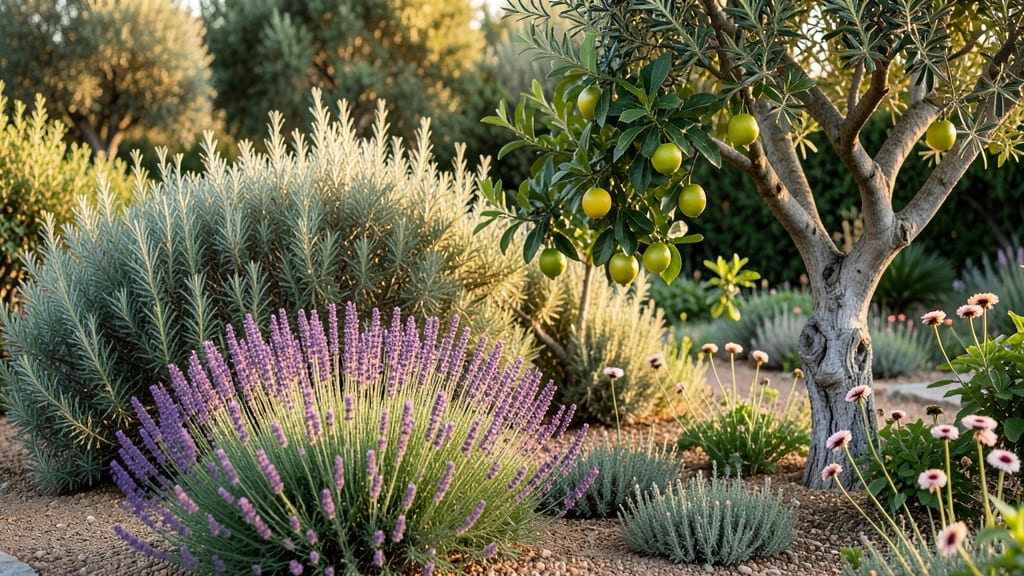
Barcelona’s gardens provide breathtaking escapes blending historic elegance with Mediterranean plant life, featuring standout spots like Jardins de Joan Brossa and Parc de la Ciutadella. Explore Laberint d’Horta’s iconic 18th-century maze or Poble Espanyol’s olive groves and cactus collections, each showcasing Barcelona’s climate-adapted botanical treasures.
Barcelona’s gardens aren’t just green spaces—they’re living museums of Mediterranean biodiversity. 🌿 The city’s unique microclimate lets species like rosemary and lavender thrive year-round, while Parc de la Ciutadella’s lakeside gardens support rare migratory birds.
What’s fascinating is how these spaces adapt to urban life: Jardins de Joan Brossa uses drought-resistant shrubs, while Laberint d’Horta’s boxwood maze survives on minimal water. Each garden tells a story of Barcelona’s history through its plants, from the 18th-century maze to modern rooftop gardens in Eixample.
For the best experience, time your visit with seasonal blooms—spring brings vibrant tulips in Parc de la Ciutadella, while autumn offers golden olive groves at Poble Espanyol. Pro tip: Montjuïc’s terraced gardens offer panoramic city views, perfect for combining nature with architecture.
Whether you’re seeking quiet reflection or family-friendly fun, Barcelona’s gardens deliver unforgettable escapes right in the city center.
💡 In This Article
- Barcelona’s Most Stunning Gardens and Their Unique Plant Collections
- Best Neighborhoods to Discover Barcelona’s Green Spaces
Barcelona’s most stunning gardens and their unique plant collections
Barcelona’s gardens thrive thanks to the city’s Mediterranean microclimate, where mild winters and warm, dry summers create ideal conditions for drought-resistant plants.
Take Laberint d’Horta, for instance—a 18th-century boxwood maze that survives on just 10-15 liters of water per week during summer, thanks to its deep root systems and the garden’s shaded, humid micro-environment.
The boxwood (Buxus sempervirens) used here is pruned into intricate geometric patterns that can last centuries with proper care, as seen in its 100-year-old hedges. 🌿
The Jardins de Joan Brossa, designed by the avant-garde poet and artist of the same name, showcases native Mediterranean shrubs like rosemary, thyme, and lavender, which require minimal irrigation and flourish in Barcelona’s alkaline soil.
These plants aren’t just hardy—they’re aromatic and visually striking, with lavender’s purple spikes contrasting beautifully against the garden’s modernist sculptures. The garden’s drip irrigation system delivers water directly to roots, reducing waste by 70% compared to traditional sprinklers. This approach mirrors Barcelona’s broader push for sustainable urban gardening.
At Parc de la Ciutadella, the focus shifts to biodiversity conservation. The park’s lakeside gardens host over 200 bird species, including rare migratory visitors like the little egret and purple heron.
The park’s catalpa trees (Catalpa bignonioides) provide nesting sites, while their heart-shaped leaves create dappled shade perfect for picnics. What’s fascinating is how the park’s wetland areas filter rainwater naturally, reducing urban runoff—a feature increasingly replicated in Barcelona’s modern green spaces. 💧
For cactus enthusiasts, Jardins de Mossèn Costa i Llobera is a hidden gem. This 19th-century garden houses over 1,500 cactus species, including the giant saguaro (Carnegiea gigantea), which can grow up to 50 feet tall in ideal conditions.
The garden’s terracing system prevents soil erosion while maximizing space, a technique inspired by traditional Andalusian horticulture.
Visitors often marvel at the nocturnal blooms of the queen of the night cactus (Selenicereus grandiflorus), which unfurls pale white flowers under moonlight—a spectacle that lasts just one night per year.
Each garden reflects Barcelona’s climate-adapted botanical heritage. While Laberint d’Horta relies on structured geometry, Jardins de Joan Brossa embraces wild, aromatic landscapes, and Parc de la Ciutadella prioritizes ecological balance.
The city’s gardens prove that beauty and sustainability go hand in hand, even in an urban setting. Whether you’re drawn to mazes, cacti, or birdwatching, Barcelona’s green spaces offer something unforgettable. ✨
Pro tip: Visit Laberint d’Horta in spring when the boxwood’s vibrant green contrasts with blooming wisteria, or head to Parc de la Ciutadella in autumn for golden ginkgo leaves and migratory bird sightings. The gardens’ seasonal transformations make every visit unique! 🌸