
Tools
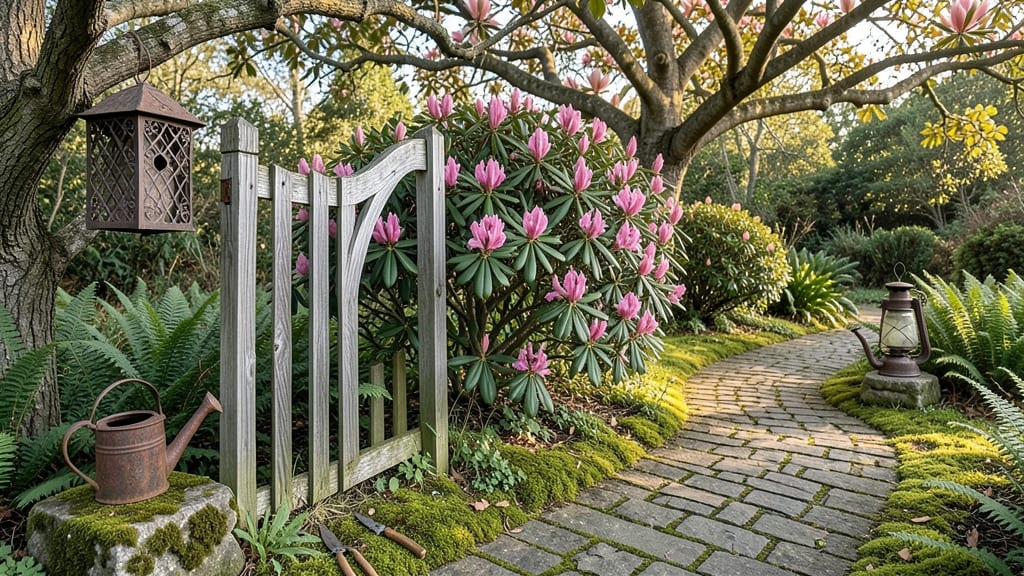
Secret Garden Seattle uncovers the city's best-kept botanical gems, including the Washington Park Arboretum's lesser-known trails and Volunteer Park Conservatory’s rare plant displays, showcasing Pacific Northwest native species that thrive year-round with expert horticultural techniques.
Seattle’s secret gardens thrive because of the city’s unique microclimates—where urban heat islands meet rain-soaked forests. 🌿 The Arboretum’s hidden paths, for example, feature rare ferns and salal shrubs that flourish in the city’s damp, shaded corners, while the Conservatory’s glasshouses protect delicate orchids and rhododendrons from winter’s chill.
What makes these spaces so special isn’t just their beauty, but how they preserve endangered species like the Tiger Lily or Western Red Cedar—plants that anchor the region’s ecosystems.
Many of these gardens were originally created as private collections before opening to the public, which is why their layouts often feel like curated secrets waiting to be discovered.
To recreate this magic in your own space, focus on layered planting—combining evergreens like Oregon Grape with seasonal bloomers such as Pacific Dogwood.
Seattle’s wet winters mean mulching with cedar bark or pine needles is key to retaining moisture, while pruning in late winter (after blooms fade) mimics the gardens’ natural rhythms. The real trick?
Observing how light shifts through the seasons—what’s a sunbath in summer becomes a shadowy nook in winter, and these gardens use that to their advantage.
💡 In This Article
- Hidden Gardens in Seattle’s Urban Landscape
- Planting and Year-Round Care for Seattle’s Climate
Hidden gardens in Seattle’s urban landscape
Seattle’s hidden gardens thrive because of the city’s unique interplay between urban development and natural ecosystems. The Washington Park Arboretum, for instance, sits in a microclimate where the Puget Sound’s moderating influence meets the rain shadow of the Olympic Mountains.
This creates a delicate balance of moisture and sunlight that supports rare plants like the Western Sword Fern—a species that requires consistent humidity but also benefits from filtered light.
The soil here is a mix of glacial till and decomposed cedar, providing the acidity and organic matter that native plants crave. 🌿
The Volunteer Park Conservatory, meanwhile, leverages its glasshouse structure to control temperature and humidity, allowing delicate species like the Rhododendron ‘Loderi King George’ to flourish year-round. These plants, native to the Pacific Northwest, typically grow in shaded forest understories where temperatures rarely drop below freezing.
Inside the conservatory, the environment is carefully calibrated to mimic these conditions—humidity stays between 60-70%, and temperatures hover around 55-65°F even in winter. This precision is what allows the conservatory to house over 1,500 plant species, including many endangered varieties.
Many of these gardens were originally private collections, which explains their intimate, winding layouts. The Washington Park Arboretum’s lesser-known trails, for example, were designed to feel like a meandering forest rather than a structured park.
This approach not only preserves the natural feel but also protects sensitive plants from foot traffic. The Volunteer Park Conservatory, founded in 1899, began as a passion project for local botanists who wanted to preserve the region’s flora before urban sprawl altered the landscape.
Today, these spaces serve as living archives of the Pacific Northwest’s botanical heritage.
One of the most fascinating aspects of these gardens is their role in preserving endangered species. The Tiger Lily (Lilium columbianum), for instance, is critically endangered due to habitat loss, but it thrives in the Arboretum’s shaded, moist environments.
Gardeners here use a technique called "layered planting"—combining tall evergreens like Douglas Fir with mid-height shrubs such as Salal and low-growing perennials like Sword Fern—to recreate the natural understory conditions these plants need.
This method also helps control erosion and retain moisture, which is crucial in Seattle’s wet climate.
The rain shadow effect created by Seattle’s geography plays a surprisingly large role in these gardens’ success. While the city averages 37 inches of rain annually, the Arboretum’s higher elevation and sheltered location reduce direct rainfall on certain plants, creating drier microclimates where species like Oregon Grape can thrive.
Meanwhile, the conservatory’s glasshouses trap heat from sunlight, extending the growing season for tropical plants that wouldn’t survive outside. This combination of natural and artificial environments is what allows Seattle’s hidden gardens to support such a diverse range of flora.
For urban gardeners looking to replicate these conditions, the key is observation. Notice how light shifts through the seasons—what’s a sunlit spot in summer may become a shaded corner in winter. Use cedar mulch to mimic the natural forest floor, and group plants by their moisture needs.
The result? A garden that feels like a secret escape, just like Seattle’s most beloved botanical gems. 🌱