
Light Requirements
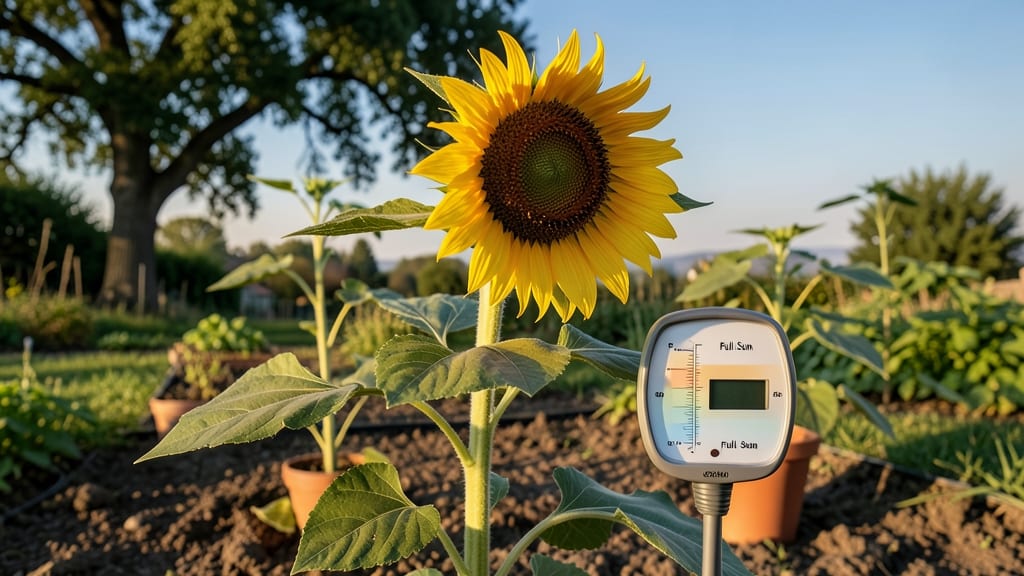
Gardens don’t always need full sun—many plants thrive in partial shade, especially in hot or humid climates, where 3-6 hours of sunlight daily is ideal for leafy greens, ferns, and flowering perennials like hostas and impatiens. Assess your garden’s light exposure before planting.
Not every garden corner needs blazing sunlight to succeed. In fact, many plants prefer filtered light, particularly in regions where intense heat can stress foliage. 🌿 The key is understanding your space's light patterns—morning sun versus afternoon shade makes a big difference.
For example, hostas and ferns often reward gardeners with lush growth when given just 3-6 hours of morning light, while vegetables like lettuce and spinach tolerate partial shade better than full sun in summer.
The trick is matching plants to your garden's natural light conditions rather than forcing them into direct sunlight.
Partial shade also extends the growing season in hot climates by reducing water loss through evaporation. This means less maintenance for you while keeping your garden vibrant. I always recommend testing your garden’s light exposure for a week before planting—simply observe how sunlight moves across different areas throughout the day.
This simple step can transform struggling plants into thriving specimens.
💡 In This Article
- How Sunlight Affects Plant Growth and Health
- Best Low-Light Plants for Shady Garden Spaces
How sunlight affects plant growth and health
Photosynthesis is the core process where plants convert light energy into chemical energy, but not all plants need the same intensity. Full sun (6+ hours of direct light) provides the maximum energy for high-light plants like tomatoes or sunflowers, which have evolved to handle intense light and heat.
However, the chlorophyll in leaves can actually degrade when exposed to too much direct UV radiation, especially in hot climates. This is why you might see leaves turning yellow or crispy edges—a classic sign of sunburn in plants that prefer shade.
The light spectrum matters too. Blue light (400-500nm) promotes leafy growth and compactness, while red light (600-700nm) drives flowering and fruiting.
Partial shade filters out some of these wavelengths, creating an environment where plants like ferns or astilbes thrive by focusing energy on leaf production rather than heat resistance. 🌱 For example, hostas produce their signature deep green foliage in partial shade because they prioritize chlorophyll production over protective pigments that block excess light.
In contrast, a sun-loving plant like lavender would struggle, its leaves bleaching out as the protective flavonoids break down under too much UV exposure.
Temperature plays a hidden role in light requirements. In hot climates, even 4 hours of afternoon sun can stress plants because the heat amplifies water loss through transpiration. That’s why many shade-loving plants originate from forest understories—they’ve adapted to lower light levels where temperatures stay cooler and more stable.
The science shows that these plants often have larger, thinner leaves to maximize light capture without overheating. For instance, impatiens develop broader leaves in partial shade than they would in full sun, a clear adaptation to their preferred growing conditions.
Soil moisture and light exposure are closely linked. Plants in partial shade typically have shallower root systems because they don’t need to reach deep for water—their environment retains more moisture.
This creates a feedback loop where proper light levels help maintain soil hydration, reducing the need for frequent watering. 💧 The opposite happens with full-sun plants: their deep roots require more water to compensate for rapid evaporation.
Understanding this relationship helps explain why some gardeners see their shade plants wilting even when watered regularly—it might be a sign of insufficient light rather than overwatering.
Light intensity also affects plant metabolism beyond photosynthesis. For example, the production of secondary metabolites (like antioxidants in herbs) often increases in moderate light conditions. This is why basil grown in partial shade develops more complex flavors than plants baked in full sun.
The trade-off? Full-sun plants like peppers need that intensity to set fruit, but their flavor compounds develop differently—hotter peppers need more UV exposure to build capsaicin levels. It’s all about matching the plant’s evolutionary adaptations to your garden’s conditions.
Here’s a quick way to test your garden’s light conditions: Place a white board in different spots for a week and mark the times it’s in direct sun. You’ll quickly see which areas get morning light (cooler, gentler) versus afternoon sun (intense and drying).
This simple observation can save you from overwatering shade plants or struggling with sunburned foliage. 🌿 The goal is to create a microclimate where each plant’s light needs are met, not exceeded.