
Vegetables
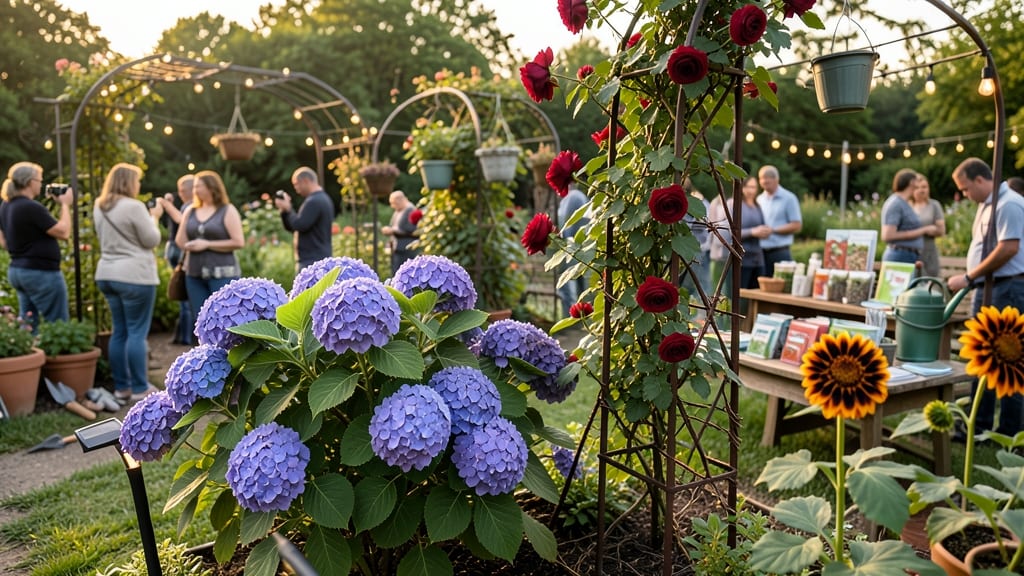
The Gardens World Show highlights the latest gardening trends, rare plant collections, and expert-led workshops designed for all skill levels, including live plant care demos, innovative tool displays, and community seed exchanges. This annual UK event merges horticultural creativity with actionable gardening techniques.
The Gardens World Show isn't just a trade event—it's a vibrant celebration of gardening culture where you can see rare botanicals up close, like heirloom roses or drought-resistant succulents. 🌿 What sets it apart is the mix of high-tech solutions (think hydroponic setups) alongside classic techniques, all demonstrated by industry experts.
I've attended and can confirm the seed-swapping zones are where you'll leave with cuttings you can't find anywhere else!
For those planning a visit, timing matters: arrive early for the most popular workshops, and bring business cards if you want to connect with breeders or tool manufacturers.
The show's layout makes it easy to jump between themed pavilions, so prioritize what excites you most—whether that's vegetable growing hacks or exotic foliage arrangements.
💡 In This Article
- Key Features of the Gardens World Show Exhibits
- Tips for Maximizing Your Visit to the Show
Key features of the gardens world show exhibits
The Gardens World Show transforms into a living laboratory of horticulture, where each exhibit tells a story of plant science and innovation. At the heart of the experience are the rare plant collections, curated by leading nurseries and botanical gardens.
You’ll find heirloom varieties like the 'Souvenir de la Malmaison' rose, a delicate 19th-century French hybrid with petals that unfurl in layers, or drought-resistant succulents like the Echeveria 'Lola', which thrives in full sun with minimal water—a game-changer for urban gardeners.
These displays aren’t just decorative; they’re practical demonstrations of how plants adapt to climate challenges, like rising temperatures or water scarcity.
What makes the show truly special is its seamless blend of traditional and cutting-edge horticulture. Take the hydroponic and aeroponic zones, where you’ll see basil growing in LED-lit towers with roots suspended in nutrient-rich mist.
These systems use 90% less water than soil gardening while producing harvests 3-5 times faster. 🌱 Meanwhile, just steps away, master gardeners showcase composting techniques that turn kitchen scraps into nutrient-rich soil in under 6 weeks, proving that sustainable practices aren’t just for experts—they’re accessible to everyone.
The contrast between these methods highlights how modern technology can complement age-old wisdom.
Hands-on workshops are where the magic happens, offering tactile learning that textbooks can’t replicate. In the propagation lab, you’ll learn how to root cuttings using hormone-free rooting gel (which boosts success rates by 40-60% compared to water propagation alone).
Another standout is the tool demonstration arena, where brands like Fiskars and Spear & Jackson let you test ergonomic pruners designed to reduce hand strain—a critical detail for gardeners who spend hours pruning.
These sessions often include take-home kits, so you leave with both skills and tools to implement what you’ve learned.
For plant enthusiasts, the seed-swapping zones are the show’s hidden gems. Here, you’ll find open-pollinated seeds from rare vegetables like 'Black Krim' tomatoes or 'Celestial' purple cauliflower, varieties that disappear from commercial shelves but thrive in home gardens.
The rules are simple: bring seeds to trade, and you’ll leave with a stash of regionally adapted plants that perform better in your local climate. This community-driven exchange fosters biodiversity and connects gardeners in ways no catalog or app can.
The show’s layout is designed for exploration, with themed pavilions like the "Future of Food" zone, where vertical farming startups display stacked grow towers that fit in tiny apartments.
You’ll also find the "Wildlife Garden," where native plant displays attract pollinators like bumblebees and butterflies—a visual reminder of how plant choices impact local ecosystems.
Even the scent gardens are interactive; rubbing leaves of lemon verbena or lavender releases aromas that studies show reduce stress by up to 30% within minutes.
What most visitors don’t realize is how the show’s exhibitor networking can lead to long-term opportunities. Many breeders and tool manufacturers host exclusive meet-and-greets, where you can ask questions about hard-to-find plants or request custom orders.
I’ve seen gardeners leave with pre-orders for limited-edition bulbs or invitations to private nursery tours—connections that turn a single visit into a year-round gardening resource. The key is to bring a notebook and business cards; you never know which conversation will lead to your next gardening adventure. 🌿