
Vegetables
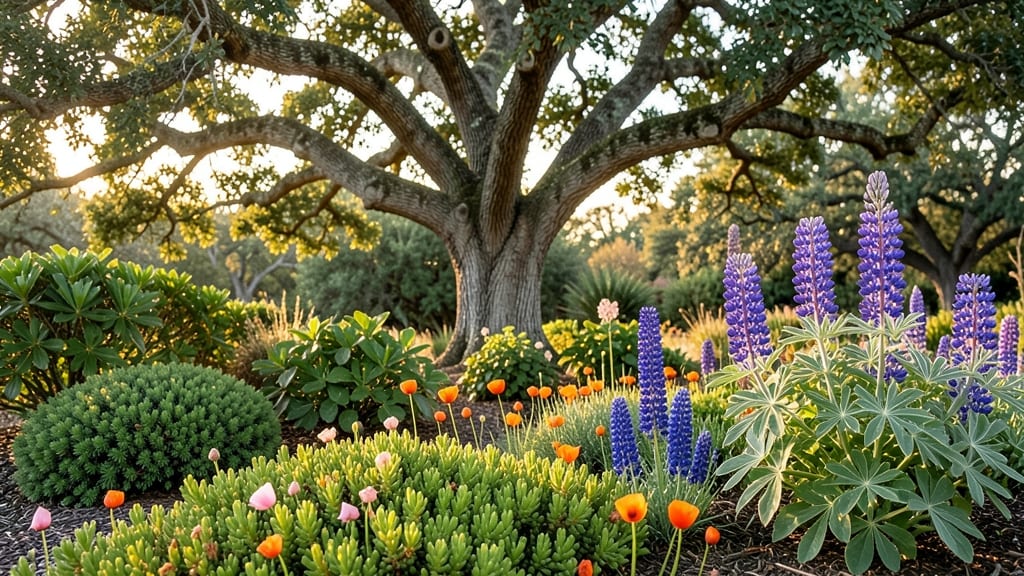
The Mendocino CA Botanical Gardens features stunning native plant collections, coastal plant life, and meticulously designed gardens along peaceful trails—all with complimentary entry and self-guided tours. Discover towering redwoods, vibrant wildflower meadows, and breathtaking Pacific Ocean views throughout the year.
This hidden gem thrives on the unique Mendocino Coast climate, where cool ocean breezes and coastal fog create ideal conditions for rare species like California poppies and coastal manzanita. 🌿 The gardens span over 100 acres, blending native ecosystems with curated displays that showcase how plants adapt to this rugged landscape.
Unlike many botanical gardens, entry is completely free, making it perfect for nature lovers on a budget.
The best time to visit depends on what you want to see: spring brings wildflower blooms, while fall offers lush greenery and fewer crowds. The trails are wheelchair-accessible, and nearby attractions like the Point Cabrillo Light Station make it easy to extend your visit into a full coastal adventure.
💡 In This Article
- Native Plants and Ecosystems at Mendocino Botanical Gardens
- Best Times and Tips for Visiting Mendocino’s Gardens
Native plants and ecosystems at Mendocino botanical gardens
The gardens thrive because of their precise location along the Mendocino Coast, where the Pacific Ocean's influence creates a microclimate perfect for rare flora. Coastal fog—averaging 100-120 days per year—reduces evaporation, allowing delicate species like coastal woodfern and seaside daisy to flourish.
This fog also filters sunlight, creating dappled light conditions ideal for shade-loving plants like California bay laurels, which dominate the understory alongside towering coast redwoods reaching 200+ feet in height.
The Russian River riparian zone within the gardens demonstrates how water flow shapes ecosystems. Here, you'll find willows and alder trees with roots adapted to seasonal flooding, while nearby manzanita shrubs thrive on nutrient-poor soils.
The gardens' 30+ native plant collections include California poppies (which bloom in spring and close by noon to conserve moisture) and coastal buckwheat, whose silvery leaves reflect sunlight to prevent overheating. 🌿
What makes this ecosystem unique is the redwood alliances—symbiotic relationships between redwoods and understory plants like sword ferns, which thrive in the cool, humid microclimate created by the towering trees.
These alliances create a self-sustaining forest floor that supports 200+ species of fungi, many of which are found nowhere else in the world. The gardens' 100+ acres preserve these delicate balances, offering visitors a rare chance to witness how coastal plants co-evolve with their environment.
One standout feature is the coastal prairie restoration area, where purple needlegrass (California's state grass) dominates. This grass, once used by Native tribes to weave baskets, has deep roots reaching 6+ feet to access groundwater, making it resilient to droughts.
The gardens' three distinct zones—coastal, riparian, and redwood—demonstrate how elevation and moisture gradients create diverse habitats within just 100 yards of each other.
Visitors often overlook the seasonal plant rotations that occur throughout the year. In winter, coastal heather and seaside wallflowers dominate, while summer brings yarrow and checker mallow to the meadows.
The gardens' native plant nursery (open to volunteers) helps propagate rare species like Mendocino cypress, a critically endangered conifer found only in this region. 🌲
For those interested in plant adaptations, the fog drip demonstration area shows how coastal fog provides 20-30% of annual precipitation to plants.
Here, you can see coastal mistmaiden plants with leaves that absorb moisture directly from the air—a survival strategy critical in this region where summer rainfall can drop to 0.5 inches per month.
The gardens' educational signs explain these mechanisms in detail, making it an ideal spot for both casual visitors and plant science enthusiasts.