
Lawn
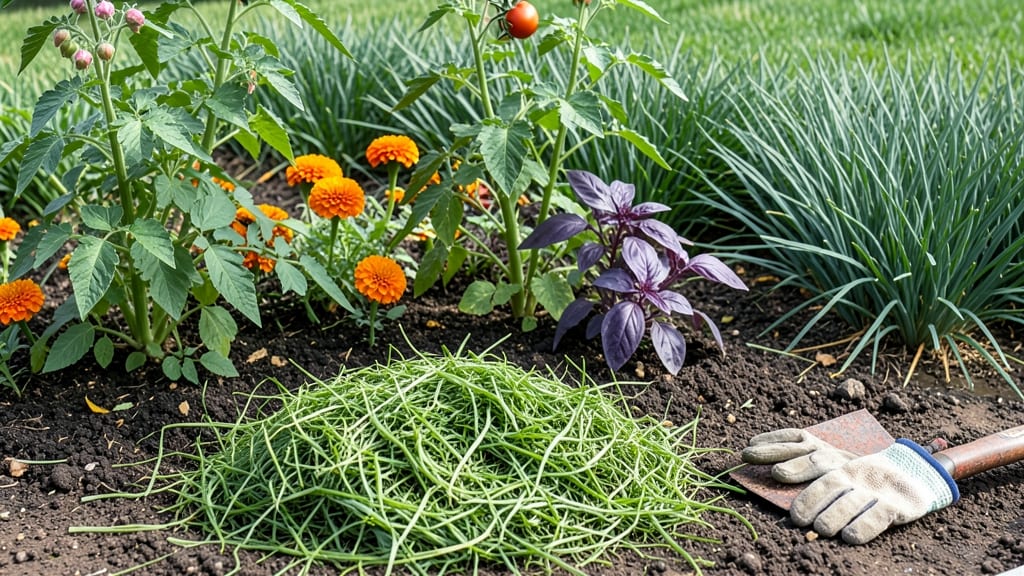
Using grass clippings in garden boosts soil fertility by returning nitrogen and organic matter, while mulching suppresses weeds and retains moisture. Apply thin layers (under 1 inch) to avoid smothering plants or attracting pests.
Grass clippings act like a natural fertilizer because they're packed with nitrogen, which feeds your plants as they decompose. 🌱 When you spread them as mulch, they also block weeds from getting sunlight while keeping soil moist longer—perfect for drought-prone areas.
The key is to use them fresh (not dried out) and spread them thinly so they don't mat down and trap moisture, which can lead to fungal issues. I've found that clippings from regular mowing work best, as they're already finely chopped and ready to decompose quickly.
For best results, apply clippings when the soil is slightly damp and after a light rain helps them settle in. Avoid piling them up around plants that prefer dry conditions, like succulents, as they can smother roots.
Many gardeners also use clippings as a top dressing for vegetable beds, where the extra nitrogen boosts growth—just be sure to mix them into the soil lightly rather than leaving thick layers.
💡 In This Article
- How Grass Clippings Improve Soil Fertility and Structure
- Best Practices for Mulching Grass Clippings in Landscapes
How grass clippings improve soil fertility and structure
Grass clippings act as a natural nitrogen source because they contain about 2-4% nitrogen by dry weight, which decomposes slowly to feed soil microbes and plants. When you leave clippings on the lawn after mowing, they break down and release nutrients like potassium and phosphorus too.
The decomposition process also improves soil structure by adding organic matter that enhances water retention—soil with 5% organic matter can hold 20% more water than soil with just 1% organic matter.
This is why clippings work so well in garden beds: they create a sponge-like effect that helps roots access moisture during dry spells.
The real magic happens below the surface. Microbes in the soil, like bacteria and fungi, feast on the clippings, breaking them down into simpler compounds that plants can absorb. Fresh clippings decompose faster than dried ones because their moisture content (around 70-80% water) keeps microbes active.
However, if clippings dry out completely, they become tough and slow to break down—almost like feeding your soil cardboard instead of fresh paper. 🌱 For best results, use clippings within 24 hours of mowing when they're still green and moist.
Another key benefit is how clippings improve soil aeration. As they decompose, they create tiny air pockets that help roots breathe, especially in compacted clay soils. This is particularly helpful for heavy soils where water pools and roots suffocate.
I’ve noticed a dramatic difference in my garden beds after adding clippings: plants grow faster, and the soil crumbles easily when you touch it—a sure sign of improved structure. The organic matter also helps buffer soil pH, preventing extreme acidity or alkalinity that can stress plants.
There’s a science-backed reason why clippings work better than synthetic fertilizers for long-term soil health. Synthetic fertilizers provide a quick nitrogen boost but don’t improve soil structure or microbial life. Clippings, on the other hand, feed both the plants and the soil ecosystem.
Studies show that gardens amended with grass clippings can see a 30% increase in beneficial microbial activity within just a few weeks. This microbial boost helps break down other organic matter in the soil, creating a self-sustaining cycle.
For vegetable gardens, the nitrogen from clippings is especially valuable because it supports leafy greens like lettuce and spinach, which are heavy feeders. However, avoid using clippings from lawns treated with herbicides or pesticides—the chemicals can harm your garden plants.
Always use organic clippings from untreated grass. If you’re using a lawnmower with a mulching blade, the finely chopped clippings will decompose even faster, making them ideal for immediate garden use.
One common mistake is overapplying clippings, which can lead to thatch—a thick, mat-like layer that blocks water and air from reaching roots. To avoid this, spread clippings in thin layers (¼ to ½ inch thick) and mix them into the top 1-2 inches of soil.
For flower beds, a light dusting is often enough, while vegetable gardens can handle slightly thicker layers. The key is balance: too little won’t make a difference, but too much can smother your plants.