
Lawn
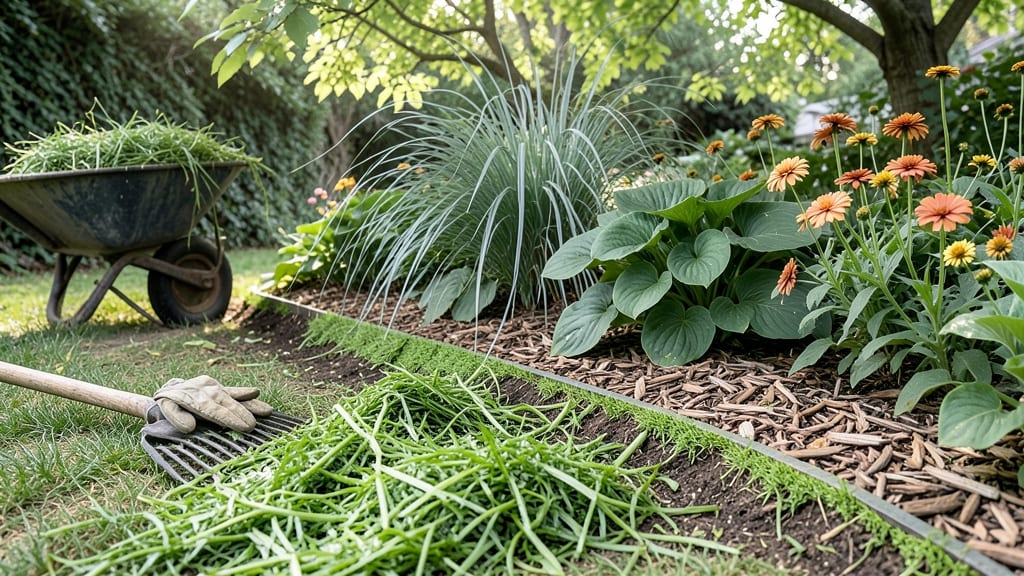
Using lawn clippings in garden improves soil fertility by adding nitrogen-rich organic matter, but they must be finely chopped and applied correctly to prevent matting or weed seeds from spreading. Avoid overapplying or using clippings from chemically treated grass.
Lawn clippings act like a natural fertilizer when properly managed, breaking down quickly to release nutrients that help plants thrive. 🌱 The key is to use them fresh and finely chopped—this prevents clumps that block air and water from reaching roots.
I've found that spreading a ¼-inch layer around plants works best, especially for nitrogen-loving vegetables like tomatoes or leafy greens. The clippings also help retain moisture, reducing the need for frequent watering while encouraging beneficial soil microbes to flourish.
For best results, apply clippings when the soil is moist but not soggy, ideally after mowing when they're still small pieces. Avoid piling them near plant stems, as this can cause rot.
If your lawn was treated with herbicides or pesticides, wait at least 3 months before using the clippings in your garden to protect your plants.
💡 In This Article
- How Lawn Clippings Enhance Garden Soil Health
- Best Practices for Applying Lawn Clippings to Beds
How lawn clippings enhance garden soil health
Lawn clippings are essentially a free, nitrogen-rich soil amendment that works through a process called decomposition. Fresh grass contains about 2-4% nitrogen by dry weight, which is comparable to commercial organic fertilizers like alfalfa meal (2-3% nitrogen).
When you spread clippings thinly over garden beds, they break down rapidly—typically within 2-4 weeks—releasing nitrogen in a form that plants can absorb directly. This process also produces heat, which helps sterilize soil pathogens and encourages beneficial microbial activity.
The real magic happens below the surface where these clippings transform into what gardeners call "green manure." As they decompose, they create a spongy layer that holds 30-50% more moisture than bare soil, reducing evaporation by up to 70% during hot days.
This moisture retention is particularly valuable for shallow-rooted plants like lettuce or strawberries. The fibrous texture also improves soil aeration by creating tiny air pockets, which helps roots breathe while preventing compaction that often occurs with heavy mulches like wood chips.
What sets clippings apart from other organic matter is their carbon-to-nitrogen (C:N) ratio, which sits around 20:1. This balanced ratio means they decompose quickly without robbing soil of nitrogen (unlike carbon-heavy materials like wood chips).
The decomposition process also stimulates earthworms and beneficial bacteria that break down organic matter further, creating a self-sustaining nutrient cycle. For comparison, compost typically has a 30:1 ratio, making clippings one of the fastest-acting organic amendments you can use.
However, the benefits depend entirely on proper application. Clippings work best when spread in thin layers (¼-inch or less)—any thicker and they'll mat together, blocking sunlight and air from reaching the soil.
This matting effect is why many gardeners make the mistake of piling clippings too heavily, which can actually harm plants by creating anaerobic conditions that produce foul odors and harmful gases.
The ideal scenario is using clippings as a "top dressing" that disappears into the soil over time, enriching it without smothering plant stems.
Consider this comparison: A 100-square-foot garden bed needs about 5-10 pounds of fresh clippings to provide meaningful nitrogen boost without overloading the soil. That's roughly what you'd collect from mowing a 500-square-foot lawn once.
For vegetable gardens, this translates to roughly 0.5-1 pound of nitrogen per 100 square feet per application, similar to what you'd get from a light application of blood meal fertilizer—but without the potential for burning plants.