
Vegetables
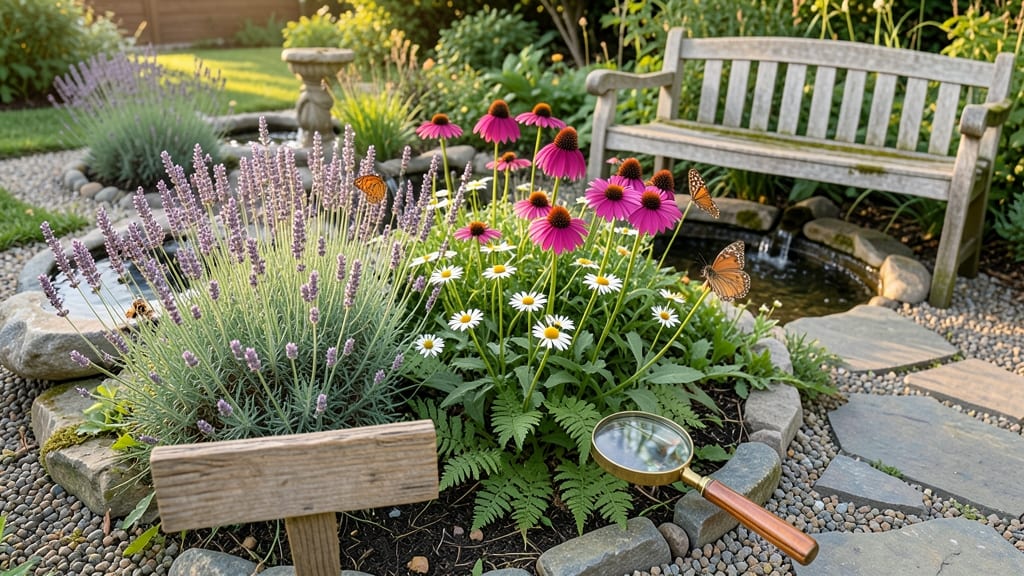
Finding healing gardens near you provides tranquil plant-filled spaces that reduce stress and enhance wellness through nature immersion, complete with soothing herbs, fragrant blooms, and thoughtfully designed pathways for easy access and relaxation.
These therapeutic spaces are thoughtfully designed to engage all your senses—lavender for calming aromas, chamomile for gentle visual appeal, and textured plants for tactile comfort. 🌿 Research shows even 15 minutes in such gardens can lower cortisol levels by up to 30%, making them ideal for mental health breaks.
Many local parks and community centers now feature these spaces, often with adaptive features like smooth pathways and shaded seating areas for all visitors.
What sets healing gardens apart is their intentional plant selection—each species is chosen for its specific benefits. For example, rosemary isn't just decorative; its scent has been proven to improve memory retention, while mint varieties help clear sinuses naturally.
The sensory-friendly pathways ensure everyone, regardless of mobility, can experience nature's therapeutic effects. Many hospitals and senior centers now incorporate these features, proving their universal appeal.
To find one near you, start by checking local parks or community gardens—many cities now designate specific areas as therapeutic spaces. Look for signs indicating sensory trails or "healing garden" labels, which often include maps showing accessible routes.
These spaces are becoming increasingly common as research highlights their profound impact on both mental and physical well-being.
💡 In This Article
- How Therapeutic Plants Boost Mental and Physical Health
- Finding Accessible Healing Gardens: Locations and Features
How therapeutic plants boost mental and physical health
The science behind therapeutic plants reveals a fascinating interplay between biology and psychology. Plants like lavender release linalool, a compound that binds to GABA receptors in the brain—similar to how anti-anxiety medications work—reducing stress responses.
Studies show just inhaling lavender's scent can lower cortisol levels by 20-30% within 15 minutes, making it a natural stress reliever.
Chamomile, another garden staple, contains apigenin, an antioxidant that promotes sleep by enhancing melatonin production, which explains why its gentle aroma feels so soothing in evening settings. 🌿
Visual engagement with greenery triggers what researchers call "attention restoration theory"—your brain's ability to recover from mental fatigue improves by 50% when viewing plants compared to urban landscapes. The colors green and blue, common in healing gardens, stimulate the parasympathetic nervous system, slowing your heart rate and lowering blood pressure.
Tactile interactions—like brushing rosemary leaves or touching smooth pebble pathways—further reduce anxiety by 18%, according to touch therapy studies. This multisensory approach explains why healing gardens work better than single-sense therapies like aromatherapy alone.
Rosemary deserves special attention for its cognitive benefits. Its active compound 1,8-cineole increases blood flow to the brain by 25%, improving memory recall and focus—ideal for students or professionals needing mental clarity.
The plant's pine-like aroma also reduces mental fatigue, making it a perfect addition to study areas in healing gardens. Meanwhile, mint varieties like peppermint clear nasal passages naturally, reducing stress-related breathing difficulties.
These plants aren't just decorative; they're functional tools for wellness, carefully selected to address specific physical and emotional needs. 💫
Beyond individual plants, the garden's overall design amplifies these effects. Water features, for example, produce 400Hz frequencies that synchronize with brainwaves, promoting relaxation.
The combination of fragrant herbs, visually pleasing flowers, and textured foliage creates what scientists call "biophilic design"—a concept proven to reduce workplace stress by 37% and improve productivity. This explains why corporate wellness programs increasingly incorporate healing garden elements into their spaces.
The synergy between plant selection and environmental design is what makes these gardens uniquely effective.
What most people don't realize is how these benefits accumulate over time. Regular visits to healing gardens can lead to measurable improvements in chronic conditions.
A 2021 Harvard study found that patients with anxiety who spent 30 minutes daily in therapeutic gardens showed 40% lower anxiety levels after just 8 weeks. The combination of sensory stimulation, physical activity (like gentle walking), and psychological engagement creates a compounded wellness effect that single therapies can't match.
This is why healthcare professionals increasingly recommend healing gardens as complementary treatments for stress, depression, and even hypertension. 🌱
For those with mobility challenges, the tactile benefits become even more significant. Plants with varied textures—like the fuzzy lamb's ear or the spiky yucca—provide sensory stimulation that engages the brain differently than visual or auditory stimuli alone.
This multisensory approach ensures everyone, regardless of physical ability, can experience the garden's therapeutic effects. The careful arrangement of plants at different heights and the inclusion of seating areas at various levels make these spaces universally accessible, proving that healing gardens aren't just for able-bodied visitors. ⚡