
Tools
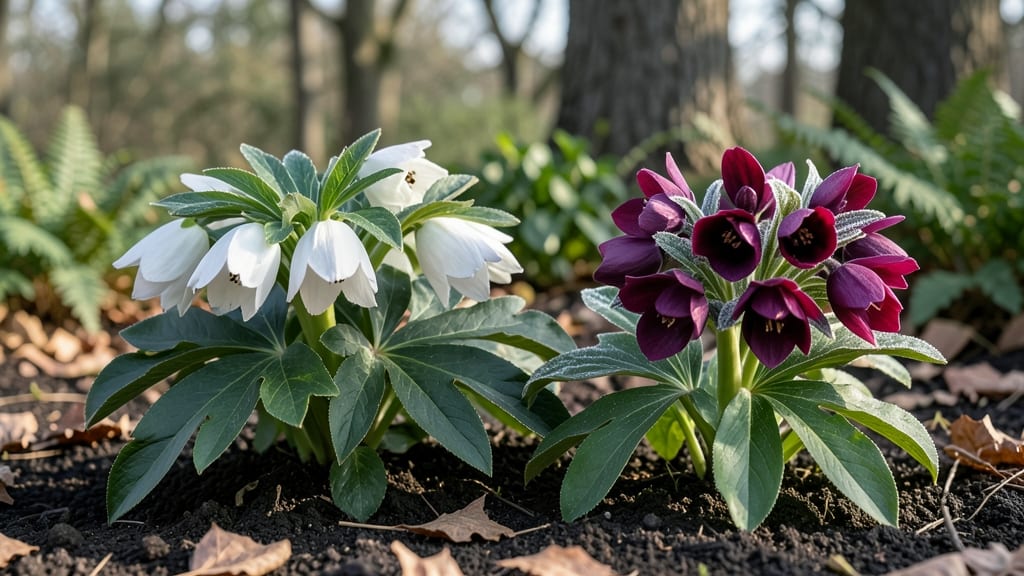
Growing hellebores in garden spaces transforms shady areas into vibrant displays with their striking winter-to-spring blooms. These low-maintenance perennials thrive in deep shade, poor soil, and even woodland gardens while offering deer resistance and evergreen foliage for year-round appeal.
Hellebores stand out because their unique low-light photosynthesis lets them produce energy even with minimal sunlight—perfect for spots where other plants struggle. 🌿 Their deep roots also help them tolerate dry spells and compacted soil, making them ideal for urban gardens or heavily shaded backyards.
Plus, their late-winter blooms provide crucial color when most plants are still dormant, creating a stunning contrast against bare branches.
Beyond their beauty, hellebores are practically foolproof: they rarely need dividing, resist most pests, and even deer tend to avoid them. This makes them a top choice for gardeners who want high-impact plants with minimal effort.
Whether tucked into a dark corner or planted en masse under trees, they deliver reliable performance with almost no fuss.
💡 In This Article
- Why Hellebores Excel in Shady, Difficult Garden Spots
- Planting and Caring for Hellebores: A Step-by-Step Guide
Why hellebores excel in shady, difficult garden spots
Hellebores have mastered the art of shade survival through a specialized photosynthetic process called C3 photosynthesis with shade-adapted leaf structures. Unlike sun-loving plants that rely on direct light, hellebores grow broad, dark green leaves that maximize light absorption even in dim conditions.
Their leaves contain high concentrations of chlorophyll and have a waxy coating that reduces water loss, allowing them to thrive where other plants wilt. 🌿 This adaptation explains why they flourish under tall trees or in north-facing gardens where sunlight barely reaches.
Their deep, fibrous root systems—capable of extending 12-18 inches below the surface—anchor them securely while accessing moisture and nutrients from deeper soil layers. This root structure also helps them tolerate drought once established, making them resilient in areas with inconsistent watering.
Unlike many shade plants that require rich, moist soil, hellebores adapt to average to poor soil conditions, including clay or sandy loam, as long as drainage is adequate.
Hellebores' early blooming strategy is another key advantage. Most garden plants bloom in spring or summer when hellebores have already finished their show, creating a unique seasonal gap that these perennials fill perfectly.
Their flowers develop on the previous year's growth, allowing them to emerge through snow or early spring frost. This timing also means they avoid competing with aggressive summer weeds that thrive in warmer months.
Deer resistance stems from their toxic alkaloid compounds, which deter herbivores while posing no threat to humans or pets.
The evergreen foliage maintains visual interest even in winter, while the blooms provide pollinators with crucial early-season nectar. 🌸 This combination of adaptations explains why hellebores often become the backbone of low-maintenance shade gardens, where they outperform more demanding alternatives.
Consider these practical benefits for challenging garden spots:
- Light requirements: Tolerates full shade to partial sun (2-6 hours of direct light)
- Soil flexibility: Thrives in pH 6.0-7.5, from clay to rocky soil
- Water needs: Drought-tolerant once established but prefers moderate moisture
- Deer resistance: Contains helleborine alkaloids that repel browsing animals
Their ability to naturalize and spread gradually creates lush ground covers that suppress weeds while maintaining their elegant appearance. This makes them particularly valuable in woodland gardens, foundation plantings, or understory plantings where other perennials might struggle. 💫