
Light Requirements
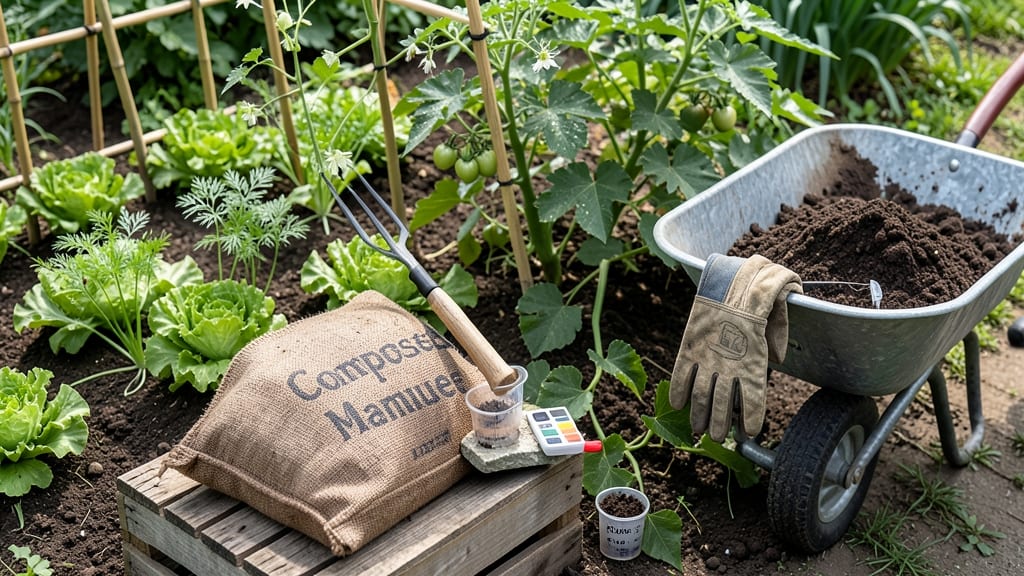
How much manure for garden depends on soil type and plant needs: use 1-2 inches of well-aged composted manure per square yard for most vegetables, cut to ½ inch for sandy soil, and never exceed 1 inch for clay soil to avoid nutrient overload. Always test soil nitrogen levels before applying.
Manure acts as a natural fertilizer, but its effectiveness varies based on your garden's specific conditions. 🌱 For example, leafy greens like lettuce thrive with slightly higher nitrogen from manure, while root vegetables need less to prevent overgrowth.
I've found that mixing manure into the top 6 inches of soil during fall or early spring gives plants the best head start, especially in cooler climates where decomposition slows. Fresh manure can actually burn plants, so always compost it for at least 3-6 months before use.
One common mistake is assuming more manure equals better results. Too much can create ammonia buildup, harming beneficial soil microbes. Instead, think of manure as a slow-release nutrient booster—start conservatively, especially with heavy clay soils that already retain moisture well.
A simple soil test kit (around $15) reveals your nitrogen, phosphorus, and potassium levels, helping you dial in the perfect ratio for your plants.
💡 In This Article
- Manure Application Ratios by Soil Type and Plant Requirements
- Step-by-Step Guide to Mixing Manure Into Garden Soil
Manure application ratios by soil type and plant requirements
Soil composition dramatically alters how much manure your garden can handle. Sandy soils, with their large particle structure, drain nutrients quickly, so they need only ½ inch per square yard of well-aged manure.
Think of it like a thirsty sponge - it absorbs water fast but releases it just as quickly, requiring frequent replenishment. In contrast, clay soils hold moisture and nutrients tightly, making them prone to nutrient burnout when overloaded.
For these dense soils, stick to ½ to 1 inch maximum per application, spread thinly to prevent compaction.
The type of manure matters just as much as the soil. Cow manure, for instance, releases nitrogen slowly over 3-6 months when composted, making it ideal for root crops like carrots.
Horse manure, however, contains more phosphorus and potassium but requires 6-12 months of composting due to its higher fiber content.
Chicken manure, the most potent, delivers 3x the nitrogen but must be composted for 6-12 months to avoid burning plants - its high ammonia content can scorch roots if applied fresh. 🌱 For leafy greens like spinach, I recommend 1 inch of cow manure per square yard mixed into the top 6 inches of soil, while root vegetables like beets need only ½ inch to prevent forked growth.
Plant requirements create another layer of complexity. Heavy feeders like tomatoes and peppers benefit from 1.5 inches of composted manure per square yard due to their high nitrogen demands during fruiting. Meanwhile, legumes like peas actually fix their own nitrogen, so they only need ½ inch to support root development.
The key is matching the manure's nutrient profile to your plants' growth stages - too much nitrogen early on can produce lush foliage but few flowers or fruits. A simple soil test reveals your current nitrogen levels (ideal range: 20-50 ppm), helping you adjust ratios precisely.
Timing your application based on plant needs makes all the difference. For cool-season crops like broccoli, apply manure in early spring when soil temperatures are between 50-60°F - this gives microbes time to break down nutrients before planting.
Warm-season crops like peppers, however, should receive manure 4-6 weeks before transplanting to prevent heat-induced nutrient loss. The rule of thumb: apply manure when soil is moist but not waterlogged, as this creates optimal conditions for microbial activity that converts organic matter into plant-available nutrients.
Visual clues help gauge proper application. Well-composted manure should resemble dark, crumbly soil with no visible chunks or strong ammonia smell. When spread correctly, it blends seamlessly into the topsoil without creating visible piles.
For demonstration, imagine sprinkling 1 cup of composted manure per square foot - this equals about 1 inch per square yard when spread evenly.
The goal is to enrich without overwhelming; think of it as adding a rich, dark layer of mulch rather than a thick blanket that smothers plant roots.
One advanced technique I've found effective is creating "manure tea" for foliar feeding. Steep 1 part well-aged manure in 5 parts water for 24-48 hours, then strain and dilute to 1:10 ratio before spraying on leaves.
This delivers quick-access nutrients during critical growth phases while avoiding soil overload. The tea's earthy aroma signals active microbial decomposition - a good sign your manure is working properly. 💫