
Planting
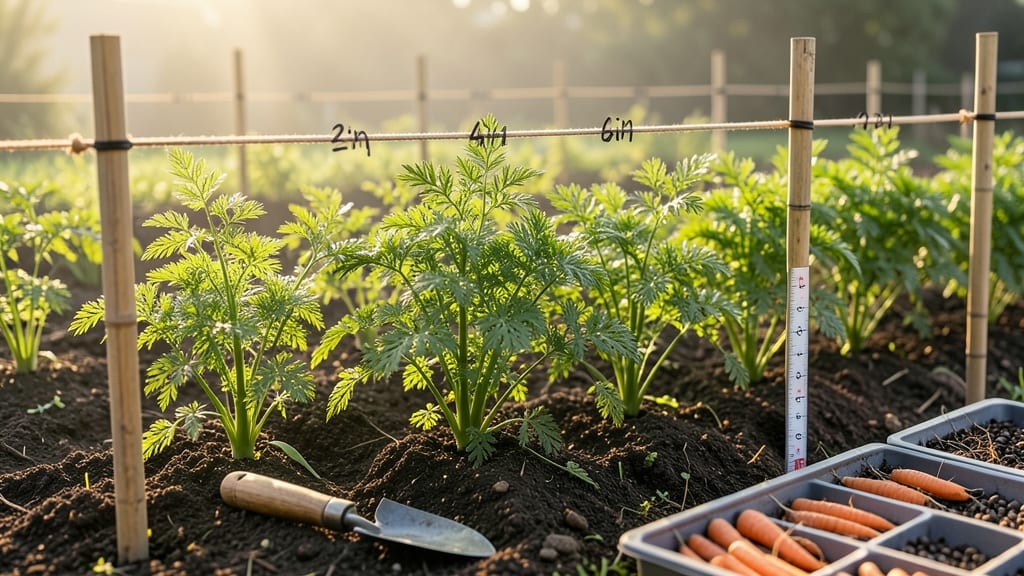
To determine how far apart garden rows should be, aim for 18 to 36 inches between rows to optimize sunlight, reduce weeds, and simplify maintenance, using narrower spacing for compact plants like lettuce and wider gaps for sprawling varieties such as tomatoes.
Proper row spacing isn't just about fitting more plants—it's about giving them room to thrive. 🌱 Smaller plants like herbs or leafy greens need less space because they grow quickly and don't compete for sunlight, while larger crops like corn or pumpkins require wider rows to prevent overcrowding.
I've found that adjusting spacing based on your local climate makes a big difference too—drier areas often need slightly wider gaps to conserve moisture.
Another key factor is your garden's layout. Raised beds, for example, allow for tighter spacing since they drain better and reduce soil compaction. If you're growing companion plants, like basil near tomatoes, you might even experiment with staggered rows to maximize space without sacrificing yield.
The goal is always balance—giving plants enough room to grow healthy while keeping your garden manageable.
💡 In This Article
- Optimal Garden Row Spacing by Plant Type and Growth Habits
- Adjusting Row Spacing for Soil, Climate, and Garden Layout
Optimal garden row spacing by plant type and growth habits
Plant spacing isn't arbitrary—it's about matching a species' natural growth patterns to your garden's conditions. Leafy greens like lettuce or spinach thrive with rows just 12-18 inches apart because they grow quickly and don't develop deep root systems.
Their shallow roots compete minimally for water and nutrients, while their broad leaves benefit from close spacing that maximizes sunlight capture during their short 30-50 day growing cycle. The trade-off? You'll need to thin seedlings to prevent overcrowding as they mature.
For larger crops, think about their mature size and how they'll interact with neighbors. Tomatoes, for example, need 24-36 inches between rows because their sprawling vines can reach 3-6 feet wide and their deep roots (up to 24 inches) compete aggressively for moisture.
The extra space prevents fungal diseases that thrive in crowded, humid conditions—a common issue with indeterminate varieties that produce fruit all season. 🌿 Meanwhile, dwarf varieties like cherry tomatoes can handle tighter 18-inch rows since they stay compact, but you'll sacrifice yield if you pack them too closely.
Herbs present another fascinating case study. Flat-leaf parsley or cilantro can happily grow in rows just 12 inches apart because their shallow roots and fast growth cycle mean they don't need much real estate.
But woody herbs like rosemary or thyme need 24-36 inches between rows—they spread slowly but live for years, developing extensive root systems that would compete fiercely in tighter spaces. The key is understanding whether a plant is a "space hog" in terms of roots or foliage.
Flower spacing follows similar logic but with aesthetic considerations. Tall flowers like sunflowers or hollyhocks need 24-36 inches between rows to prevent them from shading shorter varieties below, while compact flowers like marigolds can handle 12-inch spacing.
The difference? Sunflowers develop 6-12 foot stalks that cast significant shade, while marigolds stay under 2 feet tall and benefit from the "canopy effect" where their dense foliage suppresses weeds naturally.
What most gardeners overlook is how spacing affects soil moisture retention. Plants with deep taproots like carrots or parsnips need 18-24 inches between rows because their roots can access water from 12-18 inches below the surface.
In dry climates, this wider spacing prevents roots from competing for the same moisture pockets, which is why desert gardeners often use 36-inch rows for these crops.
The opposite is true for shallow-rooted plants like radishes—they can handle 12-inch rows because they absorb water from just the top 6 inches of soil.
Pro tip: Always measure spacing from the center of one row to the center of the next, not edge-to-edge. This accounts for the plant's mature width and gives you a more accurate gauge.
For example, a 24-inch row spacing for tomatoes means the center of the tomato row is 24 inches from the center of the adjacent row, giving each plant 12 inches of space on either side—a crucial detail when planning your layout. 🌱