
Landscaping
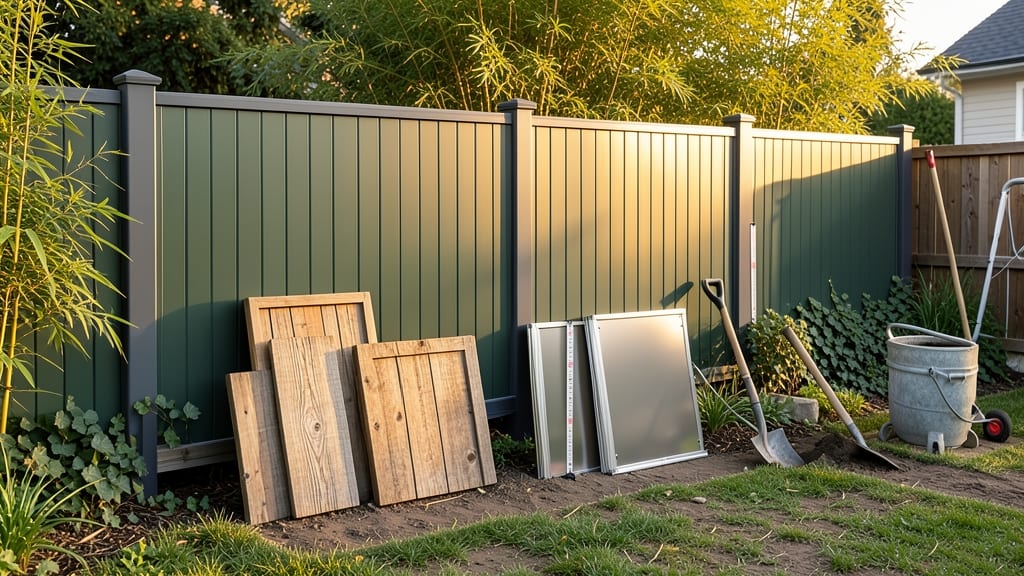
Determining how high a garden fence should be depends on your goals: for privacy and security, aim for 6 to 8 feet, but always verify local zoning laws first to avoid costly fines or removal. Specialized needs like windbreaks or pet enclosures may require shorter heights (4–6 feet).
Fence height isn't just about looks—it's a balance between privacy, safety, and legal compliance. 🌳 Many homeowners choose 6–8 feet for full privacy, but this can vary dramatically by location. For example, some neighborhoods enforce 6-foot maximums in front yards while allowing taller fences in backyards.
Always check your county's zoning ordinances or HOA rules before installing, as violations can lead to fines or forced removal. Even if you want maximum height, consider your fence's purpose: a 4–5 foot barrier might suffice for wind protection or keeping pets contained while saving on materials and installation costs.
Material choice also plays a role in height decisions. Wood and vinyl fences typically reach 6–8 feet easily, while metal or chain-link may require additional support for taller heights.
If aesthetics matter, shorter fences (like 4–5 feet) with decorative elements can create the same visual privacy without the height restrictions. Always measure your property lines and setbacks before finalizing plans—some areas mandate 3–5 foot clearance from property boundaries.
💡 In This Article
- Legal Height Restrictions for Garden Fences
- Choosing Fence Height Based on Garden Needs
Legal height restrictions for garden fences
Local zoning laws create the biggest hurdle when planning fence height, as they often differentiate between front and backyard regulations. For instance, many suburban areas enforce 6-foot maximums in front yards to maintain visibility for traffic safety, while backyards might allow 8 feet or more.
These rules exist because taller front fences can obstruct visibility for drivers and pedestrians, increasing accident risks—especially in residential zones where visibility is critical for children playing near streets.
The science behind these regulations involves setback requirements, which specify how far a fence must sit from property lines.
Some municipalities mandate 3–5 foot clearances from side and rear property boundaries, meaning a 6-foot fence in your backyard could legally extend to 8 feet if your property is wide enough.
HOA rules often add another layer: some communities cap fences at 4–5 feet to preserve neighborhood aesthetics, regardless of zoning laws. Always check your county's building department website or call for exact measurements—some areas even require permits for fences over 6 feet.
What most people don't realize is that fines for violations can be steep—often $500–$2,000 per violation—plus potential removal costs if caught. For example, in Miami-Dade County, front yard fences over 6 feet without permits face immediate removal orders.
The key is to research your specific Assessment Roll Number (ARN) zone, as these determine your property's classification (residential, agricultural, etc.) and corresponding height restrictions. 🏡
Even if your area allows taller fences, consider how height affects your property's value. Studies show that homes with fences 6–7 feet high sell for 3–5% more in privacy-focused markets, but excessive height (over 8 feet) can deter buyers who prefer open views.
Always balance legal limits with practical needs—like blocking nosy neighbors or keeping pets safe—while keeping future resale in mind.
For pet owners, the 5–6 foot range is often ideal: tall enough to prevent escapes but short enough to comply with most backyard regulations. Dogs can jump 4–5 feet easily, so a 6-foot fence adds security without overbuilding.
If you're unsure, consult a local landscaper—they often know hidden ordinances that building departments might overlook.
Pro tip: Take photos of existing fences in your neighborhood—they often follow local norms even if unofficially. If your fence is 6 feet but your neighbor's is 7 feet, ask why: it might reveal unspoken HOA preferences or past permit approvals. 🔍