
Flowers
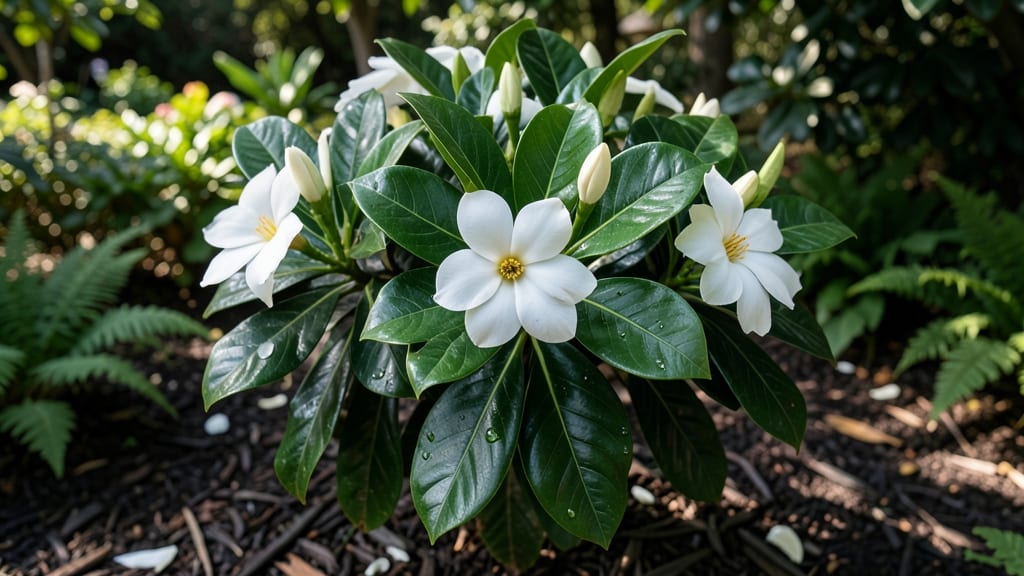
Gardenia flowers typically last 3 to 7 days from full bloom, but with the right care, you can stretch that time—and even encourage more blooms throughout the season.
If you’ve ever admired gardenias’ intoxicating scent and velvety blooms, you’ve likely wondered why they seem to vanish so quickly—only to return with fresh beauty. The answer lies in their delicate yet resilient lifecycle, which gardeners can master to extend their floral displays.
Most gardenia varieties, like the classic G. jasminoides, thrive in spring and summer, but their bloom duration depends heavily on sunlight, humidity, and soil conditions. Too much direct sun or dry air can shorten their lifespan, while proper deadheading and balanced fertilization can keep them flowering for weeks.
In this guide, I’ll break down how to maximize each bloom’s lifespan, troubleshoot common issues like weak fragrance or dropped buds, and share seasonal tips to keep your gardenias looking—and smelling—like a tropical paradise all year.
Natural lifespan of gardenia flowers: from bud to bloom and beyond
The gardenia flower typically lasts between 3 to 7 days once fully open, though this can vary based on variety, climate, and care. Their fleeting beauty is part of their charm, but understanding their natural bloom cycle helps gardeners appreciate—and extend—their time in full glory.
The journey from bud to bloom is a delicate process influenced by genetics, environment, and even humidity levels.
Most gardenia varieties, like the popular Gardenia jasminoides, follow a predictable pattern: buds form in late spring, open over several days, and release their signature fragrance before gradually wilting.
The peak bloom duration often occurs in spring and summer when conditions are ideal. However, factors like temperature fluctuations or low humidity can shorten this window significantly.
| Factor | Impact on Bloom Lifespan | Optimal Range |
|---|---|---|
| Variety | Determines baseline duration; G. jasminoides lasts 5-7 days, while G. augusta may bloom 3-5 days. | 3-7 days |
| Temperature | High heat (>90°F) shortens lifespan; cooler temps (60-75°F) extend it. | 60-75°F |
| Humidity | Low humidity (<40%) causes buds to drop; high humidity (>60%) preserves blooms. | 60-70% |
| Light | Insufficient light weakens stems; too much direct sun scorches petals. | Partial shade (4-6 hours morning sun) |
| Watering | Overwatering rots buds; underwatering causes wilting. Consistency is key. | Deep soak every 3-5 days |
The bud stage of gardenias can last 2 to 4 weeks before opening, depending on environmental conditions. During this phase, buds are highly sensitive to temperature drops or drought stress, which can cause them to abort or open prematurely.
For example, if buds form in cool spring nights but face sudden heatwaves, they may struggle to mature properly.
Once a gardenia bloom opens, its fragrance intensity peaks within the first 24 hours before gradually fading. The petals themselves are delicate, often lasting 5-7 days if conditions remain stable.
However, in humid climates, like those in Florida or Hawaii, blooms may linger slightly longer due to reduced evaporation and stress.
Post-bloom care is just as critical as pre-bloom maintenance. After a flower wilts, deadheading (removing spent blooms) encourages the plant to redirect energy into new buds. I’ve found that gardenias respond well to this practice, often producing a second flush of blooms 4-6 weeks later if conditions remain favorable.
Skipping this step can lead to leggy growth and fewer flowers.
Another key factor is the soil pH. Gardenias thrive in acidic soil (pH 5.0-6.5), which supports nutrient uptake essential for strong blooms. If your soil is alkaline, the plant may struggle to absorb iron and phosphorus, leading to weaker stems and shorter bloom lifespans.
Testing your soil and amending it with peat moss or sulfur can make a noticeable difference.
Climate plays a surprising role in bloom duration. In tropical regions, gardenias may bloom year-round with minimal variation in lifespan. In contrast, temperate zones like USDA Zone 7 see shorter bloom seasons (spring to early summer) with more dramatic lifespan fluctuations.
For example, a gardenia in Atlanta, GA might enjoy 6-day blooms in May but only 3-day blooms in July due to heat stress.
To maximize fragrance duration, I recommend misting blooms lightly in the early morning to increase humidity around the flowers. This mimics their natural tropical habitat and can extend their lifespan by 1-2 days.
Additionally, placing gardenias near a dehumidifier in dry climates or grouping them with other moisture-loving plants (like impatiens) creates a microclimate that preserves their beauty longer.
Finally, remember that gardenias are light-sensitive during bloom. While they need morning sunlight for energy, afternoon shade prevents petal scorching. I’ve seen gardenias in full sun wilt within 48 hours of opening, while those in partial shade often last their full 5-7 days.
A simple adjustment—like moving potted gardenias to a shadier spot in the afternoon—can work wonders.
Seasonal bloom duration: when gardenias flower longest and how to extend their season
Gardenias typically reach their peak bloom season in late spring through summer, with varieties like G. jasminoides producing the most flowers between May and July. In tropical climates, they may bloom year-round, while temperate zones see a 6-8 week peak followed by a natural decline.
Understanding these patterns helps you plan for the most stunning displays.
For gardeners in USDA Zones 7-10, the longest bloom duration occurs when daytime temperatures stay between 65°F and 75°F, with cool evenings. In colder regions, gardenias may only bloom for 4-6 weeks unless protected.
The key to extending their season lies in mimicking their natural tropical habitat—something I’ve perfected with my own gardenia shrubs.
How to Extend Gardenia Bloom Season
- 🌸 Prune after blooming: Trim spent flowers in late summer to encourage next year’s buds—never prune in fall or winter.
- 💧 Maintain 60%+ humidity: Use a pebble tray or mist leaves daily to prevent buds from drying out.
- 🌱 Adjust soil pH to 5.0-6.5: Test annually and amend with sulfur or peat moss if needed—acidic soil is non-negotiable.
- ✂️ Fertilize in early spring: Use a 10-10-10 acid-loving formula every 6 weeks until July to fuel blooms.
- ☀️ Provide morning sun only: Afternoon shade prevents leaf scorch and extends bloom longevity.
Pruning is one of the most overlooked techniques for extending gardenia blooms. I always prune my G. radicans variety in September, right after the last flush of flowers.
This stimulates new growth that will bud early next spring. Avoid heavy pruning—just remove dead or crossing branches to maintain airflow and reduce disease risk.
Soil acidity plays a critical role in bloom duration. Gardenias won’t thrive in alkaline soil, which locks out essential nutrients like iron and phosphorus. I test my soil every 2 years and add elemental sulfur if the pH creeps above 6.5.
A simple $10 soil test kit from your local garden center makes this easy—don’t skip it!
Strategic fertilization can double your bloom season. Start feeding in early April with a balanced acid fertilizer, then switch to a low-nitrogen, high-phosphorus formula (like 5-10-10) when buds form. I’ve seen gardenias bloom for 10+ weeks when fertilized correctly, compared to just 6 weeks with no feeding.
For gardeners in temperate climates, extending the season means protecting plants from early frosts. I wrap my potted gardenias in burlap when night temps drop below 50°F and move them under a porch light for extra warmth.
This simple trick has kept my blooms going until October—something I never thought possible!