
Light Requirements
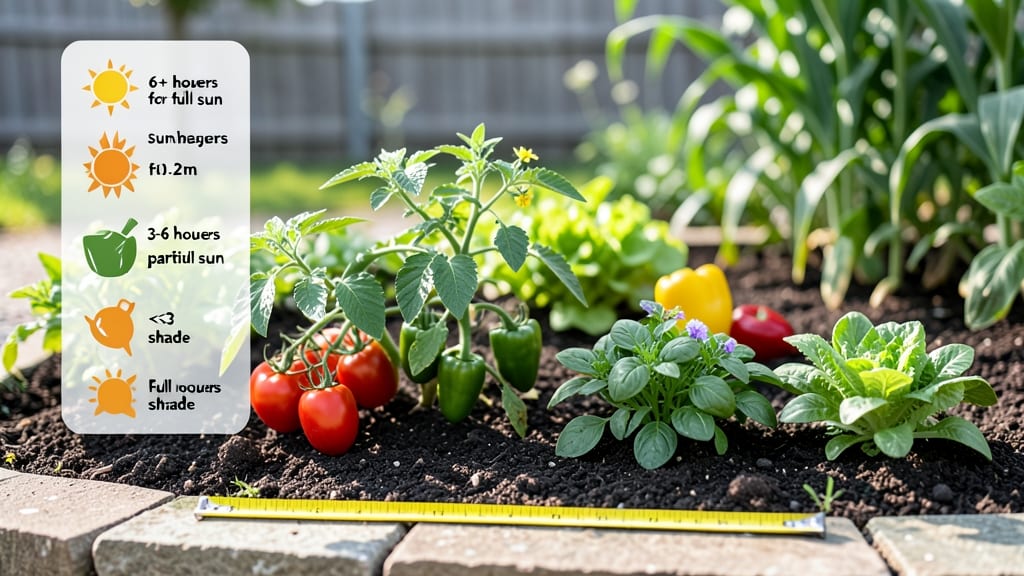
How much sun does a veggie garden need? The answer is 6 to 8 hours of direct sunlight daily to thrive, but not all plants demand the same intensity—some will bolt in too much heat, while others languish in shade.
Picture this: your tomatoes are sprawling but fruitless, your lettuce bolts before you even harvest, and your peppers look like they’re sunburned. That’s the classic sign your garden’s light balance is off—and fixing it is easier than you think.
Most vegetables fall into three categories: sun-lovers like tomatoes and peppers need full sun, while greens and herbs often thrive in partial shade. The key is matching each plant to its ideal light zone, which can mean the difference between a bumper crop and a sad side salad.
Below, I break down exactly how much sun each vegetable needs, how to assess your garden’s light conditions, and how to tweak your layout for maximum yield—no guesswork required.

Sunlight requirements for vegetables: full sun vs. partial shade explained
Understanding how much sun your veggie garden needs is the foundation of a thriving harvest. Most vegetables fall into three main categories: full sun, partial shade, and full shade.
But what do these terms really mean? Full sun typically means 6-8 hours of direct sunlight daily, while partial shade ranges from 3-6 hours, and full shade gets less than 3 hours. Getting this right can mean the difference between a bountiful garden and struggling plants.
Many gardeners mistakenly assume all vegetables need the same amount of sunlight. In reality, leafy greens like spinach and lettuce often thrive in partial shade, while tomatoes and peppers demand full sun to produce their best yields.
Even within the same plant family, varieties can differ—like cherry tomatoes needing more sun than heirloom tomatoes. Let’s break down the specifics so you can place each plant in the perfect spot.
Why sunlight matters goes beyond just growth speed—it directly impacts flavor, yield, and even disease resistance. For example, bell peppers grown in full sun develop sweeter fruit, while broccoli exposed to too much heat can bolt prematurely. Measuring sunlight accurately in your garden is key, and we’ll cover how to do that in the next section.
Here’s a quick reference table to help you visualize which vegetables belong where in your garden layout:
| Vegetable | Sunlight Needs | Yield Impact | Growth Trade-Off |
|---|---|---|---|
| Tomatoes | 6-8 hours (Full Sun) | Max fruit set, sweeter flavor | Bolting in extreme heat |
| Peppers | 6-8 hours (Full Sun) | Larger, sweeter peppers | Poor fruit development in shade |
| Cucumbers | 6-8 hours (Full Sun) | Higher yield, fewer bitter fruits | Powdery mildew risk in humidity |
| Lettuce | 3-6 hours (Partial Shade) | Slower bolting, tender leaves | Bitter taste in full sun |
| Spinach | 3-6 hours (Partial Shade) | Longer harvest window | Bolts quickly in full sun |
| Carrots | 4-6 hours (Partial Sun) | Straighter roots, fewer forks | Smaller size in deep shade |
| Green Beans | 6-8 hours (Full Sun) | More pods, better flavor | Stunted growth in shade |
| Radishes | 3-6 hours (Partial Shade) | Faster harvest, crisp texture | Pithy texture in full sun |
Measuring sunlight in your garden isn’t guesswork—it’s science. Use a simple sunlight tracker like a solar calculator app or a DIY method with a white board and chalk. Place the board in your garden spot for a week and mark the hours the sun hits it.
This will reveal if you have morning sun, afternoon shade, or a mix of both. For example, a north-facing garden might only get 3-4 hours of sun, while a south-facing one could hit 8+ hours.
Adjusting your garden layout based on sunlight is easier than you think. Group sun-loving plants like tomatoes and peppers together in the sunniest spots, while shade-tolerant greens can thrive under taller plants or near the house.
If your garden has uneven sunlight, consider using shade cloth for delicate plants or extending the growing season with row covers. Even a few hours difference can drastically change your harvest.
One common mistake is assuming all vegetables need the same amount of sunlight. For instance, basil wilts in afternoon shade, while kale actually prefers cooler, shadier conditions. Pay attention to the microclimates in your garden—like the area near a fence or under a tree—and adjust accordingly.
This precision can mean the difference between a garden that barely produces and one that overflows with fresh veggies.
For container gardening, sunlight needs are even more critical since you can’t move plants easily. Place pots with tomatoes or peppers on a sunny balcony or deck, while herbs like parsley can handle partial shade.
Rotate containers occasionally to ensure even sun exposure, especially if your balcony gets morning sun but afternoon shade. A little planning
Top 10 vegetables ranked by sunlight needs (with ideal daily hours)
Not all vegetables are created equal when it comes to sunlight. While tomatoes and peppers practically beg for sun, others like spinach and kale can handle a little shade.
The difference between 6 hours and 4 hours of sunlight can mean the difference between a bountiful harvest and a disappointing yield. Let’s dive into the top 10 vegetables ranked by their sunlight needs, so you can place them perfectly in your garden.
Before we start, remember: morning sun is gentler than afternoon sun, which can scorch leaves. If your garden gets intense afternoon heat, prioritize shade-tolerant plants or use shade cloth to protect sun-lovers. Now, let’s rank these veggies from sun-hungry to shade-friendly.
Tomatoes top the list, needing 6-8+ hours of direct sunlight daily to produce sweet, flavorful fruit. Without enough sun, they’ll grow leggy and produce small, bland tomatoes. Place them in the sunniest spot in your garden, even if it means sacrificing a shady corner for shade-loving plants.
Peppers and eggplants are close behind, requiring 6-8 hours of sunlight to thrive. These plants are heat-lovers, so they’ll thrive in full sun but may struggle in cooler climates. If you’re in a Zone 5 or below, start them indoors and transplant after the last frost.
Moving down the list, cucumbers need 6 hours of sunlight but can tolerate slightly less if given afternoon shade. They’re vining plants, so trellising them not only saves space but also improves air circulation, reducing the risk of powdery mildew.
Plant them near a south-facing fence for maximum sun exposure.
Basil and beans are happy with 4-6 hours of sunlight, making them great for partial sun gardens. Basil, in particular, will bolt in too much heat, so provide afternoon shade in hot climates. Beans, on the other hand, fix nitrogen in the soil, making them excellent companion plants for sun-lovers like tomatoes.
For shade-tolerant greens, spinach and kale thrive with 3-4 hours of sunlight. These leafy greens are perfect for spring or fall planting when days are shorter. In hot summers, they’ll bolt quickly in full sun, so keep them in a cooler, shadier spot to extend your harvest.
Finally, arugula and lettuce can handle 2-3 hours of sunlight, making them ideal for container gardens on patios or balconies with dappled shade. These plants are cool-season crops, so they’ll wilt in heat. Mulch them to keep roots cool and water consistently to prevent bolting.
Now that you know the sunlight needs of your top veggies, you can plan your garden layout like a pro. Group sun-lovers together, save partial sun spots for basil and beans, and tuck shade-tolerant greens in cooler, shadier areas.
With this setup, you’ll maximize your harvest and minimize wasted space.