
Tools
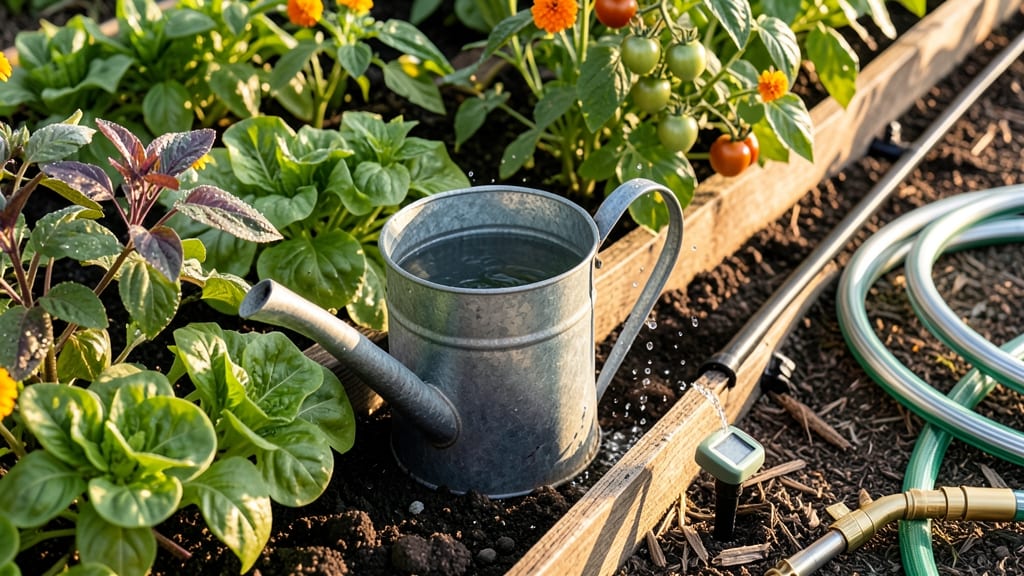
Determining how often a garden should be watered depends on plant types and local climate: most vegetables require 1-2 inches of water weekly, flowers need about 1 inch, and drought-resistant plants thrive with 1 inch every 2-3 weeks. Timing matters too—watering early in the morning reduces evaporation and fungal risks, while mulch helps maintain soil moisture for longer.
How often a garden should be watered isn't one-size-fits-all. 💧 The key is understanding your plants' specific needs—leafy greens like lettuce need consistent moisture, while succulents store water in their leaves. Climate plays a huge role too: desert gardens may need deep watering every 3-4 days, while humid regions might only require watering every 5-7 days. I always check soil moisture by sticking my finger 1-2 inches deep—if it feels dry, it's time to water. Mulching with straw or wood chips can cut water needs by up to 30% by locking in moisture and regulating temperature.
Seasonal changes also demand adjustments. Young seedlings often need daily watering during hot summers, while established perennials can go longer between waterings. 🌱 Pay attention to signs like wilting leaves or yellowing foliage—they're your garden's way of communicating thirst or overwatering.
Pro tip: Use a rain gauge to track actual rainfall, as many areas receive less than the "average" rainfall numbers suggest.
💡 In This Article
- Watering Frequency by Plant Type and Soil Conditions
- Climate-Specific Watering Strategies for Optimal Garden Health
Watering frequency by plant type and soil conditions
Understanding how often to water your garden starts with recognizing that different plants have unique hydration needs tied to their root systems and growth stages.
Leafy vegetables like lettuce and spinach have shallow roots (1-2 inches deep) and require frequent, light watering—about 1/2 inch per day—to keep the soil surface moist.
In contrast, root crops such as carrots or potatoes develop deep roots (12+ inches) and benefit from 1-1.5 inches of water per week, delivered deeply to encourage downward growth.
The finger check method is your best tool: insert your finger 1-2 inches into the soil—if it feels dry, it's time to water.
Flowering plants often need less frequent but deeper watering than vegetables. Annuals like marigolds or petunias typically require 1 inch of water per week, while perennials such as lavender or coneflowers can thrive on 1 inch every 10-14 days once established.
The key difference lies in their root depth: shallow-rooted flowers need consistent moisture, while deep-rooted perennials store water more efficiently. 💧 For example, a 1-inch mulch layer of straw can reduce water evaporation by up to 30%, meaning you might water 20% less overall while keeping roots hydrated longer.
Seasonal adjustments are critical, especially during germination. Newly planted seeds or seedlings need daily watering to maintain 80-90% soil moisture—any less, and they risk drying out before sprouting.
Once seedlings reach 2-3 inches tall, you can gradually reduce frequency to every other day, then weekly as they mature. Mature trees, on the other hand, often require 15-20 gallons of water per week, delivered in 1-2 deep waterings rather than frequent light doses.
This encourages roots to grow deeper in search of moisture, making them more drought-resistant over time.
Soil type dramatically affects watering needs. Sandy soils drain quickly and may need watering every 2-3 days in hot climates, while clay soils retain moisture longer and might only need watering once a week.
A simple test: Fill a 1-gallon container with water and pour it around the base of a plant. After 30 minutes, check how far the moisture has penetrated—this tells you how deep to water next time.
For example, in sandy soil, you might need to water 3-4 inches deep, while clay soil may only require 1-2 inches of penetration.
Overwatering is just as damaging as underwatering.
Signs include yellowing leaves (often on lower foliage), mold growth at the soil surface, or plants that wilt despite moist soil—a classic sign of root rot. 🌱 To avoid this, always water at the base of plants rather than overhead, and ensure containers or garden beds have adequate drainage.
For container gardens, check soil moisture daily in extreme heat, as potted plants dry out 3-5 times faster than in-ground plants due to limited root access to moisture.
Adjusting your watering schedule based on plant maturity is essential. Young, actively growing plants need more frequent watering, while dormant or established plants can go longer between sessions.
For instance, tomatoes need 1-2 inches of water per week during fruiting but can tolerate 1 inch every 10 days once harvest is complete. Similarly, lawns in temperate climates may need 1-1.5 inches per week, but reduce to 1 inch every 2 weeks during cooler months when growth slows.