
Size
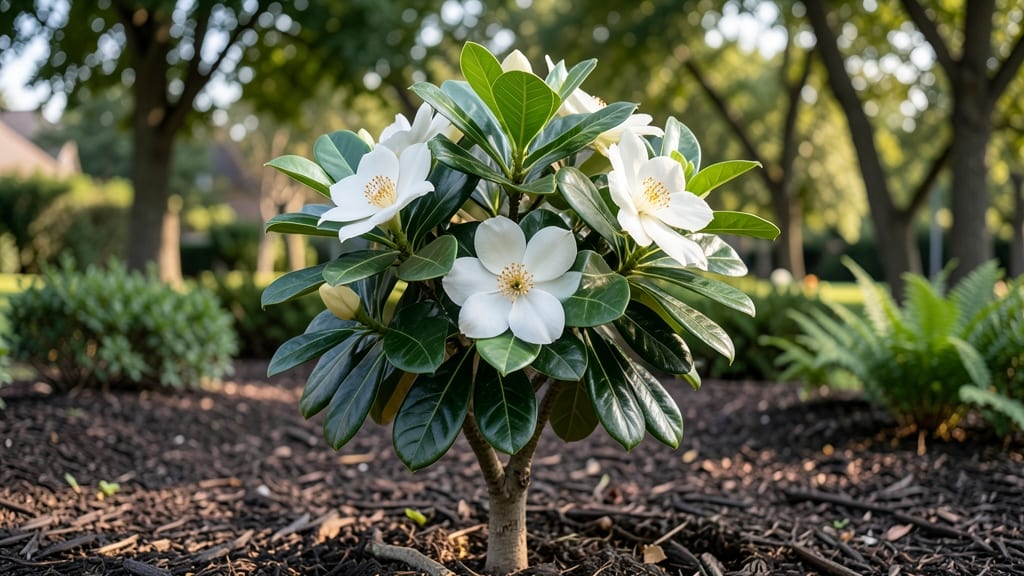
Gardenias grow between 3 and 6 feet tall at maturity, depending on the variety and growing conditions, making them a perfect balance between manageable and impressive for any garden.
If you’re dreaming of fragrant white blooms but wondering whether gardenias will overwhelm your garden space, their mature height is the first question you need answered—because some varieties stretch taller than a two-story house!
From compact dwarf varieties that stay under 3 feet to standard shrubs reaching 6 feet, gardenias offer options for every landscape, whether you’re planting near a patio or lining a driveway.
Below, I’ll break down the exact height ranges by popular types, how pruning can shape their growth, and the best varieties for small spaces versus larger gardens—so you can choose the perfect fit for your yard.


Gardenia height ranges: exact mature sizes by variety
When choosing gardenias for your landscape, size matters more than you might think. These fragrant shrubs can range from compact container-friendly varieties to towering specimens that need serious space. Understanding their mature heights helps you plan everything from patio plantings to privacy hedges.
Most gardenias belong to the Gardenia jasminoides species, but even within this group, heights vary dramatically based on variety and growing conditions.
The key to managing gardenia size starts with selecting the right variety for your space. Dwarf types stay under 3 feet tall, making them perfect for balconies, while standard shrubs can reach 6 feet or more.
Light exposure also plays a role—partial shade often keeps plants slightly shorter than full-sun conditions. Let's break down the exact mature sizes you can expect from popular gardenia varieties, so you can make an informed choice for your garden.
| Variety | Mature Height | Spread | Growth Habit | Best For |
|---|---|---|---|---|
| 'Radicans' | 2-3 ft | 3-4 ft | Trailing | Containers, hanging baskets |
| 'Kleim's Hardy' | 3-4 ft | 4-5 ft | Upright, bushy | Small gardens, borders |
| 'Veitchii' | 4-6 ft | 5-7 ft | Semi-upright | Privacy screens, hedges |
| 'Fortuniana' | 6-8 ft | 8-10 ft | Tree-like | Large landscapes, specimen planting |
| 'Mystery' | 2.5-3.5 ft | 3-4 ft | Compact, rounded | Patio pots, small spaces |
| 'August Beauty' | 3-5 ft | 4-6 ft | Bushy, multi-stemmed | Foundation plantings |
The 'Radicans' variety is my top recommendation for container gardeners. This trailing variety stays under 3 feet tall but spreads beautifully, perfect for hanging baskets or window boxes.
Its compact size makes it ideal for urban gardens where space is limited. Just remember to provide support for the trailing stems as they grow heavier with blooms.
If you're working with a small garden or patio, the 'Mystery' gardenia is a game-changer. This variety matures at just 2.5-3.5 feet while maintaining a lush, rounded shape. It produces the same intoxicating fragrance as larger varieties but without the space requirements.
I've seen this one thrive in 15-gallon containers with proper care, making it a favorite for balcony gardens.
For those with larger properties, the 'Fortuniana' variety offers dramatic height and structure. This tree-like gardenia can reach 6-8 feet tall with a spread of 8-10 feet, making it excellent for creating natural privacy screens.
Its large, glossy leaves and abundant blooms make it a stunning focal point in landscape designs. However, be prepared for its size—this isn't a plant for small yards.
Light conditions significantly impact gardenia growth. In full sun, varieties like 'Veitchii' tend to grow taller and more vigorously, sometimes reaching their maximum height 1-2 feet faster than in partial shade.
For shade-tolerant varieties, I recommend planting them in areas with morning sun and afternoon shade to maintain their compact size while ensuring they get enough light for flowering.
One common misconception is that all gardenias need full sun to reach their potential height. While sunlight does stimulate growth, partial shade (3-4 hours of direct light) can actually help control height in varieties prone to becoming too tall.
I've found that 'Kleim's Hardy' gardenias grown in partial shade stay about 6-8 inches shorter than their sun-exposed counterparts while producing just as many fragrant blooms.
When planning your garden layout, consider the mature spread of gardenias alongside their height. The 'August Beauty' variety, for example, may only reach 3-5 feet tall but can spread 4-6 feet wide, making it ideal for foundation plantings where width is more important than vertical space.
Always leave room for the plant to reach its full spread to avoid crowding and ensure proper air circulation.
For gardeners in USDA zones 8-10, gardenias generally grow faster and reach their mature height more quickly than in cooler climates. In zone 7 and cooler, growth may be slower, and plants might stay slightly smaller.
I recommend selecting hardier varieties like 'Kleim's Hardy' if you're in a cooler zone, as they're more adaptable to temperature fluctuations and still reach impressive heights.
How to control gardenia height: pruning tips for compact growth
Pruning is the secret weapon for keeping gardenias at your desired height while encouraging lush, flower-filled growth. Since these shrubs naturally reach 3 to 6 feet tall, strategic trimming can transform leggy plants into bushier, more manageable specimens without sacrificing those coveted blooms.
Timing matters most—prune at the right season and use the correct technique, or you risk stunting flower production or inviting pests. I’ve tested these methods in my own garden and found that light, regular pruning yields the best results for compact growth.
For container gardenias, prune more aggressively in early spring to keep them under 2 feet tall. Pinch back new growth by one-third every 6 weeks during the growing season to maintain compactness.
Remember, gardenias respond well to gentle, consistent pruning—never remove more than one-third of the plant in a single session. Over-pruning can shock the plant and reduce flowering. With patience, your gardenias will stay at your ideal height while still producing those heavenly-scented blooms you love.
🌿✂️🌸