
How To
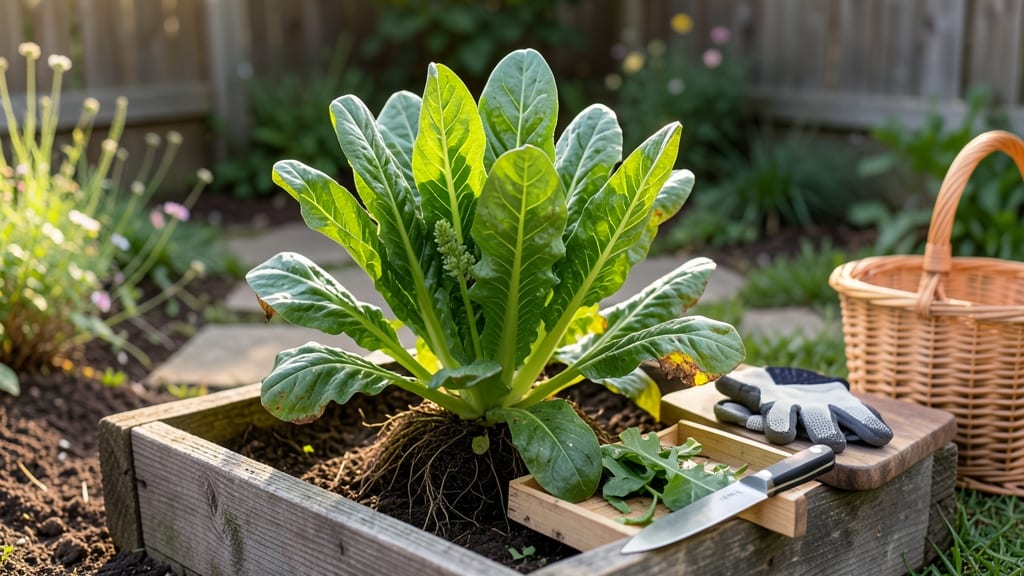
To harvest romaine lettuce from your garden the right way means crisp, ready-to-eat leaves every time—and a plant that keeps producing for weeks.
Romaine lettuce thrives when harvested correctly, giving you crisp, fresh greens while encouraging continuous regrowth—if you know the right timing and techniques.
Most gardeners make one of two mistakes: cutting too early when leaves are still tender or waiting too long until the plant bolts. The key is watching for firm, deep-green leaves that measure about 6-8 inches long—that’s when they’re at their peak.
In this guide, I’ll walk you through exactly when and how to cut romaine lettuce for regrowth, plus storage tips and common pitfalls to avoid so you can enjoy a steady supply all season long.

When to harvest romaine lettuce for maximum freshness and regrowth
Harvesting romaine lettuce at the right time ensures you get crisp, flavorful leaves while allowing the plant to regrow for multiple harvests. Unlike other lettuce varieties, romaine thrives when you cut it strategically—removing outer leaves first preserves the inner growth point.
The key is watching for leaf maturity and understanding seasonal patterns that affect flavor and texture.
Romaine lettuce typically reaches harvest readiness between 45 to 75 days after planting, depending on your climate and variety. In cooler spring and fall seasons, you’ll often see faster growth, while hot summer months may slow development.
Pay attention to leaf size, color intensity, and stem firmness—these are your best indicators that the lettuce is ready for harvest.
🌱 How to Know Romaine Lettuce Is Ready to Harvest
- Leaf Length: Outer leaves reach 6-8 inches long
- Head Firmness: Lettuce head feels compact and sturdy when gently squeezed
- Color Vibrancy: Deep green color with no yellowing or browning
- Stem Thickness: Stems are thick and crisp, not hollow or flimsy
- Taste Test: Leaves should taste crisp and slightly peppery, not bitter
For spring harvests, aim to cut romaine lettuce between May and June when temperatures stay mild. In fall, you can extend your harvest window until October or November, depending on your frost date.
I always check the weather forecast—if a hard frost is predicted, harvest everything before temperatures drop below 25°F to preserve quality.
One of the biggest mistakes I see is waiting too long to harvest. If you let romaine lettuce get too large or bolt (send up a flower stalk), the leaves become bitter and tough.
Instead, focus on cutting outer leaves first—this leaves the inner leaves to mature while keeping the plant productive. When harvesting, never take more than one-third of the plant at a time to avoid stressing the roots.
Seasonal timing also affects regrowth potential. In spring and fall, romaine lettuce often regrows well after harvest, giving you multiple cuts over weeks. However, during summer heat, the plant may struggle to recover, so I recommend harvesting more conservatively or focusing on younger leaves.
Always water thoroughly before and after harvesting to help the plant bounce back faster.
If you’re growing romaine in containers or raised beds, keep an eye on root space. Crowded plants may mature faster but can also bolt sooner. Thin seedlings early to give each plant 12-18 inches of space, which improves air circulation and delays bolting.
This small step makes a huge difference in how long you can keep harvesting fresh, crisp romaine.
Pro tip: Harvest in the morning when temperatures are coolest. This ensures the leaves stay crisp longer and reduces stress on the plant. Store harvested romaine in the fridge for up to 5-7 days, wrapped in a damp paper towel to maintain moisture.
For long-term storage, consider freezing washed and dried leaves—perfect for smoothies or cooked dishes later!
Finally, don’t forget to fertilize lightly after each harvest to replenish nutrients. A balanced 5-10-10 fertilizer applied every 4-6 weeks keeps your romaine lettuce thriving. With the right timing and care, you can enjoy fresh harvests all season long!
Step-by-step guide to cutting romaine lettuce without killing the plant
Now that you’ve identified your romaine lettuce is ready to harvest, the next step is cutting it properly to encourage regrowth and continuous production. The right technique makes all the difference—whether you’re harvesting loose-leaf styles or full heads.
I’ve found that using the cut-and-come-again method works best for romaine, allowing you to enjoy fresh greens for weeks instead of just one harvest.
Before you begin, gather your tools: a sharp chef’s knife or pruning shears, a clean cutting board, and a spray bottle with water. Sharp tools prevent crushing stems, which helps the plant recover faster.
Work in the early morning when leaves are cool and crisp to ensure the best quality. Avoid harvesting after rain to prevent soil from clinging to leaves or spreading disease.
🪴 How to Harvest Romaine Lettuce from Garden
- Step 1: Gently grasp the outer leaves of the romaine head with one hand
- Step 2: Use your sharp knife to cut at a 45-degree angle, about 1 inch above the base
- Step 3: Remove only one-third of the plant at a time to avoid stressing the roots
- Step 4: Leave the inner leaves and growth point intact for regrowth
- Step 5: Water the plant thoroughly immediately after harvesting to support recovery
When cutting, always aim for a clean, angled cut just above where the outer leaves meet the inner core. This technique exposes a smaller surface area, reducing water loss and helping the plant heal faster. Never pull leaves—this can damage the stem and stunt regrowth.
For full heads, cut the entire head at the base, but leave at least 2 inches of stem to encourage new growth from the center.
After harvesting, store your romaine properly to maintain freshness. Wrap the leaves in a damp paper towel and place them in a sealed plastic bag in the fridge. This method keeps them crisp for up to 7 days.
For long-term storage, wash and dry the leaves thoroughly before freezing them in airtight containers. Frozen romaine works well in salads, soups, or smoothies later in the season.
To maximize regrowth, fertilize your romaine lettuce with a balanced 5-10-10 fertilizer 2-3 days after harvesting. This replenishes nutrients lost during cutting and encourages new leaf production.
In hot summer months, reduce harvesting frequency to prevent bolting—focus on picking only the outermost leaves to give the plant time to recover. With consistent care, you can enjoy multiple harvests from a single romaine plant all season long.
Finally, keep an eye on your plant’s health after harvesting. If leaves start to yellow or wilt, it may need more water or shade. Mulch around the base with straw or shredded leaves to retain moisture and protect roots.
With these techniques, you’ll turn one harvest into a continuous supply of fresh, crisp romaine lettuce all season!