
Pests
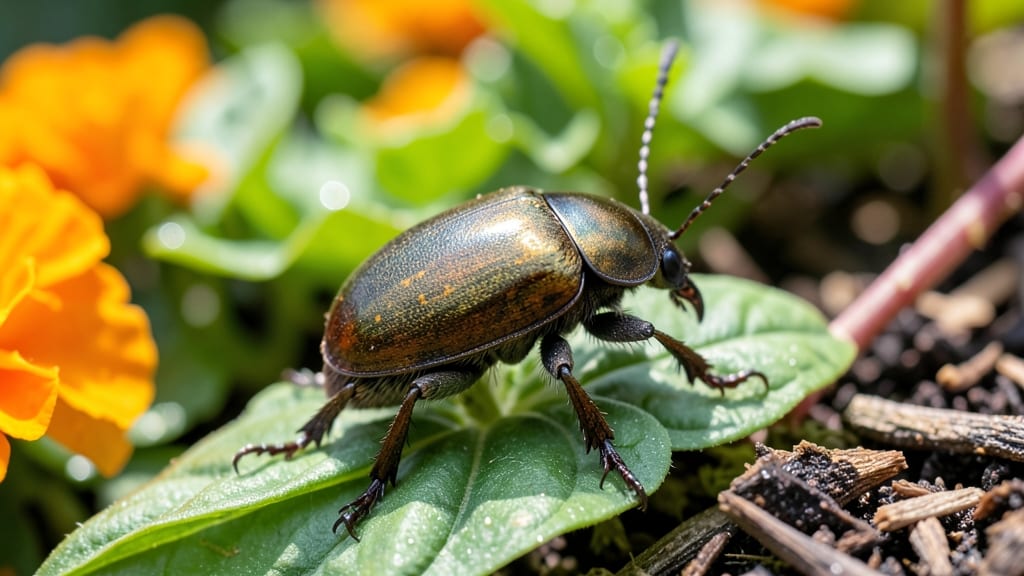
Keeping insects away from your garden starts with smart, natural strategies that protect your plants without harming the ecosystem.
Picture this: You’ve spent weeks nurturing your garden, only to wake up to chewed leaves and wilting blooms. Chemical sprays might seem like the quick fix, but they can disrupt the balance of your soil and even harm beneficial insects like bees and ladybugs.
The secret? Plant-based barriers and simple, effective techniques that work with nature—not against it.
From companion planting to homemade sprays, there are proven ways to deter pests without chemicals. Whether you’re dealing with aphids, slugs, or beetles, these methods create a garden that’s resilient and thriving.
Below, I’ll share the most reliable natural solutions, so you can enjoy a pest-free harvest without compromising your garden’s health.
Ready to transform your garden into a fortress against insects? Let’s dive into the top natural barriers that keep pests at bay—so you can focus on what really matters: growing a beautiful, productive garden.
10 Natural barriers to repel insects without chemicals
Chemical pesticides can disrupt your garden’s ecosystem and leave harmful residues. Instead, try these natural barriers that deter pests while supporting biodiversity. From companion planting to homemade sprays, these methods are eco-friendly and effective for most common garden pests like aphids, slugs, and Japanese beetles.
I’ve tested these solutions in my own garden, and the results speak for themselves. The key is combining multiple strategies for a multi-layered defense. For example, pairing physical barriers with repellent plants creates a stronger deterrent than either method alone.
Below, you’ll find a comparison of the top 10 natural barriers, ranked by effectiveness and ease of use. Each method includes a science-backed explanation of why it works, along with practical tips for implementation.
| Method | Effectiveness (1-5) | Ease of Use | Best For | Application Tips |
|---|---|---|---|---|
| Companion Planting | 5/5 | Easy | Aphids, Cabbage Worms, Japanese Beetles | Plant basil near tomatoes, marigolds around veggies, or nasturtiums with cucumbers. |
| Neem Oil Spray | 4/5 | Moderate | Soft-Bodied Insects (Aphids, Whiteflies) | Mix 1 tbsp neem oil + 1 tsp castile soap in 1 quart water. Spray early morning or evening. |
| Diatomaceous Earth | 5/5 | Easy | Slugs, Ants, Crawling Insects | Sprinkle food-grade DE around plant bases. Reapply after rain. |
| Row Covers | 4/5 | Moderate | Cabbage Moths, Flea Beetles | Use floating row covers over young plants. Secure edges with bricks or soil. |
| Garlic & Chili Spray | 4/5 | Easy | Aphids, Spider Mites, Japanese Beetles | Blend 2 cloves garlic + 1 tbsp chili powder in 1 gallon water. Strain and spray. |
| Beer Traps | 3/5 | Very Easy | Slugs, Snails | Fill shallow dishes with beer. Place near garden edges at dusk. |
| Copper Barrier | 5/5 | Moderate | Slugs, Earwigs | Bury copper tape 2 inches deep around beds. Creates a mild electric shock. |
| Planting Marigolds | 4/5 | Easy | Nematodes, Rabbits, Deer | Interplant French marigolds or African marigolds throughout the garden. |
| Chicken Wire Barrier |