
Tools
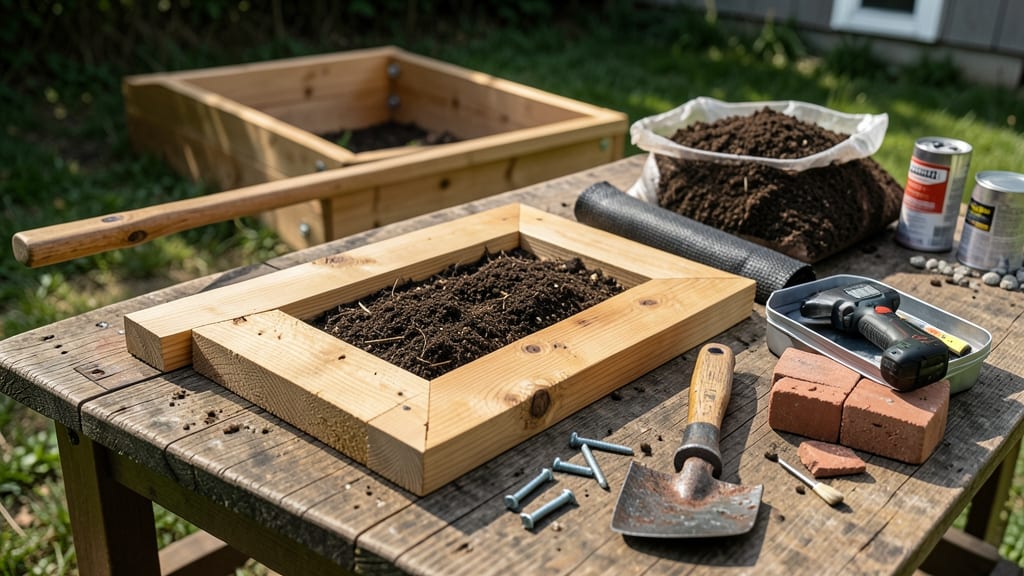
Making a cheap raised garden starts with repurposing materials like untreated wood pallets, cinder blocks, or bricks for borders, then reinforcing the base with cardboard or landscape fabric. Fill it with a nutrient-rich mix of soil, compost, and mulch, and stick to simple dimensions (4x8 feet) to cut costs while keeping it functional.
Creating an affordable raised garden doesn't require breaking the bank—it just takes a little creativity. 🔥 I've built mine using scrap lumber from construction sites and old bricks salvaged from a local demolition project, both free or nearly free.
The key is balancing cost with durability; for example, cinder blocks are sturdy but may need leveling, while pallets are cheap but could rot faster if not treated. Always check for chemical stains or nails before using wood, as these can harm plants.
Beyond materials, smart layout choices make a huge difference. Instead of one large bed, I designed mine in two 4x4-foot sections to reduce material needs while still maximizing growing space. This also lets me rotate crops annually, keeping soil healthier without extra work.
For small spaces, consider vertical stacking or tiered designs—you'd be surprised how much more you can grow when you work with height rather than just width.
💡 In This Article
- Best Budget-Friendly Raised Garden Materials for DIY Builds
- Cost-Saving Raised Garden Layouts for Small Spaces
Best budget-friendly raised garden materials for DIY builds
Untreated wood pallets are a gardener's secret weapon for affordability—you can often find them for free from local businesses, hardware stores, or even Craigslist listings. The key is selecting heat-treated (HT) pallets marked with "HT" stamps, which means they're safe for gardening (unlike chemically treated pallets).
A standard 40x48-inch pallet provides enough space for a single raised bed, and stacking two creates a 4x4-foot bed perfect for most small gardens. Just sand down any rough edges and remove nails or staples before assembly.
Cinder blocks offer unmatched durability at minimal cost—you can buy them in bulk for as little as $1.50 per block at salvage yards or construction supply stores. Each 16x8x8-inch block forms a sturdy border, and their interlocking design creates a snug fit that won't shift over time.
For extra stability, fill the hollow centers with gravel or broken concrete before adding soil. Bricks are another great option, especially if you're repurposing old fireplace bricks or pavers from a demolition site. Their uniform size makes them easier to work with than irregular stones.
Straw bales provide a temporary, ultra-cheap solution for seasonal gardens—costing just $2-$3 per bale—but they require more maintenance. Soak the bales in water for 24 hours before use to trigger microbial breakdown, which generates heat and creates a nutrient-rich environment.
While they won't last as long as wood or masonry, they're ideal for short-term projects or testing layouts. For even lower costs, consider repurposing old fencing, chicken wire, or scrap lumber from construction sites—just ensure all materials are free of chemicals or coatings that could leach into the soil.
When choosing materials, think about long-term durability versus upfront savings. Untreated wood pallets may last 3-5 years before needing replacement, while cinder blocks or bricks can last decades.
Straw bales decompose within a growing season, making them best for temporary setups. 🔥 Another pro tip: Check local "free" sections on community boards or Facebook Marketplace—people often give away perfectly good materials just to avoid disposal fees.
Always inspect for rot, mold, or structural weaknesses before committing to a build.
For the base, skip expensive landscape fabric and use cardboard or newspaper instead—both block weeds and break down naturally. Wet the cardboard thoroughly before placing it in the bed to prevent it from blowing away. Top with 2-3 inches of compost before adding soil to create a nutrient-rich foundation.
This layering technique mimics natural forest floor decomposition, giving your plants a head start while keeping costs under $20 for a 4x8-foot bed.
Remember that the cheapest materials often require the most effort—like leveling uneven ground or reinforcing wobbly pallets with screws. Weigh these trade-offs against your budget and time commitment. For example, cinder blocks might cost slightly more upfront but eliminate the need for leveling tools or additional reinforcement.
The right choice depends on your specific needs: quick setup, long-term durability, or minimal maintenance.