
Tools
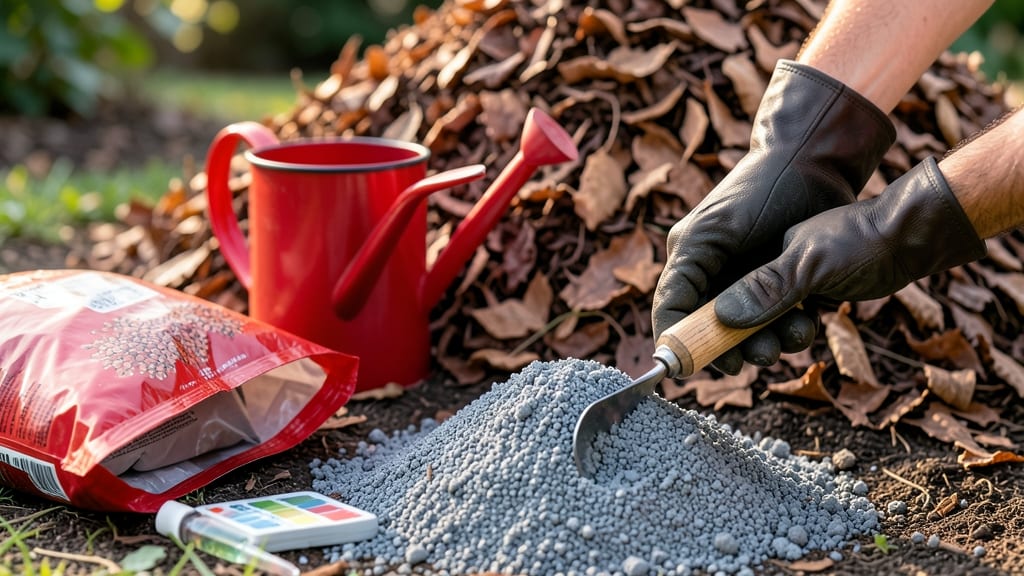
Using wood ashes in garden improves soil pH, adds potassium, and suppresses weeds when applied correctly. Sprinkle lightly over garden beds in early spring or after harvest, avoiding direct plant contact or over-application to prevent alkalinity buildup or nutrient imbalance.
Wood ashes work as a natural soil amendment because they're alkaline, helping neutralize acidic soil while delivering essential minerals like potassium and calcium. 🌱 The key is balance—too much can raise pH levels too high, harming plants that prefer acidic conditions like blueberries or azaleas.
I've found that hardwood ashes (oak or maple) are safer than softwood, as they contain fewer harmful chemicals. Always test your soil first to avoid overcorrecting pH levels.
For best results, mix ashes into the top 2-3 inches of soil rather than spreading them on the surface. This prevents nutrient runoff and ensures plants can access the minerals gradually.
A light sprinkling—about 1 pound per 100 square feet—is plenty for most gardens. Just remember: compost or mulch integration works better than direct application for long-term benefits.
💡 In This Article
- How Wood Ashes Adjust Soil pH and Fertility
- Best Practices for Applying Wood Ashes in Gardens
How wood ashes adjust soil pH and fertility
The magic of wood ashes in gardening starts with their alkaline chemistry. When wood burns completely, it leaves behind a residue that's roughly 80-90% calcium carbonate, along with potassium oxide and trace minerals.
This alkaline nature (pH typically between 10-12) works like a natural pH booster, neutralizing acidic soils where plants struggle to thrive. For example, if your soil tests at 5.5 pH (common in many regions), a light application can raise it to the ideal 6.0-7.0 range for most vegetables.
Potassium is where wood ashes really shine as a fertilizer. A typical cup of wood ash contains about 1-2% potassium oxide by weight, which converts to roughly 0.5-1% actual potassium available to plants. This is comparable to commercial potassium sources but comes with the added benefit of calcium and phosphorus.
Hardwood ashes (like oak or maple) provide more consistent mineral ratios than softwoods, which may contain higher levels of harmful compounds from sap and resins.
What most gardeners don't realize is how wood ashes affect soil structure. The fine, gritty texture improves drainage in heavy clay soils while adding valuable organic matter when composted. The mineral content also stimulates beneficial soil microbes that help break down organic materials.
However, the effects aren't immediate—it typically takes 4-6 weeks for the full pH adjustment to take place as the minerals dissolve and integrate with the soil.
There's a science to the timing of when these benefits appear. The calcium and potassium become plant-available within 2-4 weeks of application, but the pH adjustment happens more gradually.
This is why you'll see better results when applying in early spring rather than late fall—giving the soil time to stabilize before the growing season begins. The micronutrients like magnesium and phosphorus release even more slowly, providing a steady nutrient supply throughout the season.
The type of wood makes a surprising difference in results. Hardwood ashes contain about 20-30% calcium carbonate with more balanced mineral ratios, while softwood ashes can have up to 50% calcium carbonate but may include higher levels of sodium and chlorine that could harm sensitive plants.
Always use ashes from untreated wood—never from pressure-treated lumber or painted firewood, as these can introduce toxic chemicals into your soil.
One visual clue to watch for is the color of your ashes. Fresh, properly burned wood ashes should be a light gray with no black specks (which indicate incomplete combustion). Dark ashes may contain higher levels of carbon and fewer minerals.
When applied correctly, you'll notice healthier foliage within 3-4 weeks, with stronger stems and more vibrant leaves—especially in plants that prefer slightly alkaline conditions like beans, squash, and tomatoes.