
Tools
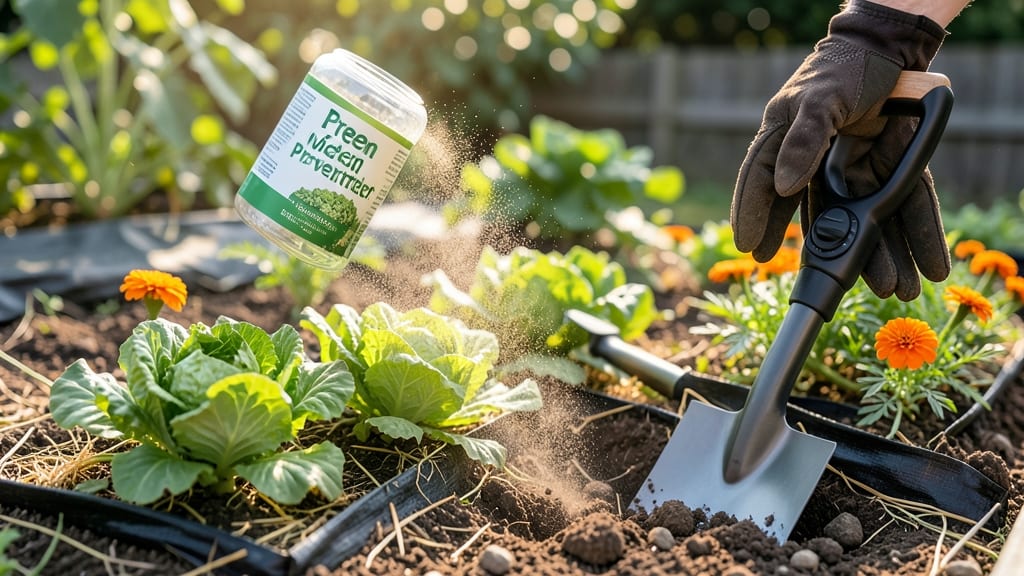
To use Preen Garden Weed Preventer, apply the granules to moist soil before weeds appear, keeping them away from plant stems, and reapply every 3-4 months. Light watering afterward helps activate the treatment.
This organic weed control works by blocking weed seeds from sprouting, not by killing existing weeds.
The active ingredient, corn gluten meal, disrupts seed germination at the cellular level, making it an eco-friendly choice for gardeners. 🌱 I’ve found it especially effective in flower beds where I want to maintain a clean look without harsh chemicals.
Just be sure to follow the instructions carefully—overapplying won’t make it work better, but it can waste product.
For best results, apply in early spring or late fall when weeds are dormant but seeds are still active. In vegetable gardens, use a spreader for even coverage, while flower beds often need a lighter hand.
Always keep it away from young plants, as the granules can inhibit their growth too. A little patience goes a long way—results take a few weeks to fully show.
💡 In This Article
- How Preen Weed Preventer Blocks Seed Germination
- Best Practices for Applying Preen in Different Gardens
How Preen weed preventer blocks seed germination
The active ingredient in Preen Garden Weed Preventer is corn gluten meal, a natural byproduct of corn processing that contains 12-14% protein by weight. This protein-rich compound works by disrupting the aleurone layer of weed seeds—a crucial membrane that regulates water and nutrient uptake during germination.
When applied to moist soil, the corn gluten meal absorbs water and expands slightly, creating a physical barrier that blocks the seed's ability to absorb moisture. Without hydration, the seed's metabolic processes stall, preventing root and shoot development before they even begin.
This mechanism differs significantly from traditional herbicides that target established weeds. Post-emergence herbicides like glyphosate work by inhibiting specific plant enzymes (e.g., EPSP synthase) that are active in growing weeds. Preen, however, operates at the pre-emergence stage, making it ideal for preventing weeds before they become visible.
Studies show it can block up to 90% of annual broadleaf weeds and 80% of grassy weeds when applied correctly. The granules also contain mineral oil, which helps them adhere to soil particles and resist washing away during light watering.
What makes corn gluten meal particularly effective is its dual action: it not only blocks germination but also provides a slow-release nitrogen boost to your soil. As the granules break down over 4-6 weeks, they release nitrogen in a form that beneficial soil microbes can utilize, improving soil fertility.
This is why you’ll often see Preen recommended for organic gardens—it’s not just a weed preventer, but a soil amendment too. The breakdown process also creates a slightly acidic environment (pH 6.0-6.5), which can further inhibit weed seed viability while benefiting many ornamental plants.
Timing is critical because weed seeds have a dormancy period that varies by species. For example, crabgrass seeds can remain viable in soil for up to 5 years, while chickweed seeds may only last 1-2 years.
Preen’s effectiveness peaks when applied to soil that’s moist but not soggy—this ensures the granules activate properly without clumping. The moisture triggers the corn gluten meal to form a gel-like consistency that coats the soil surface, creating an invisible shield against emerging weeds.
Think of it like a microscopic raincoat for your soil that only lets your desired plants through.
One common misconception is that Preen will kill existing weeds. It won’t—its purpose is strictly preventive. For established weeds, you’ll need to pull them manually or use targeted spot treatments. This is why gardeners often combine Preen with regular weeding sessions.
The product’s non-selective nature means it won’t harm mature plants, but it can inhibit the growth of young seedlings if granules come into direct contact with them. Always apply with a spreader or by hand, keeping a 3-inch buffer around existing plants to avoid unintended growth suppression.
For maximum effectiveness, plan your applications around your garden’s weed cycle. In most regions, early spring (March-April) and late fall (October-November) are ideal times because weed seeds are actively preparing to germinate but haven’t yet sprouted.
The granules should be lightly watered in after application to activate them, but avoid heavy watering for 24-48 hours—this allows the treatment to fully bind to the soil particles. The result is a clean, weed-free canvas that lasts until your next application cycle.