
Tools
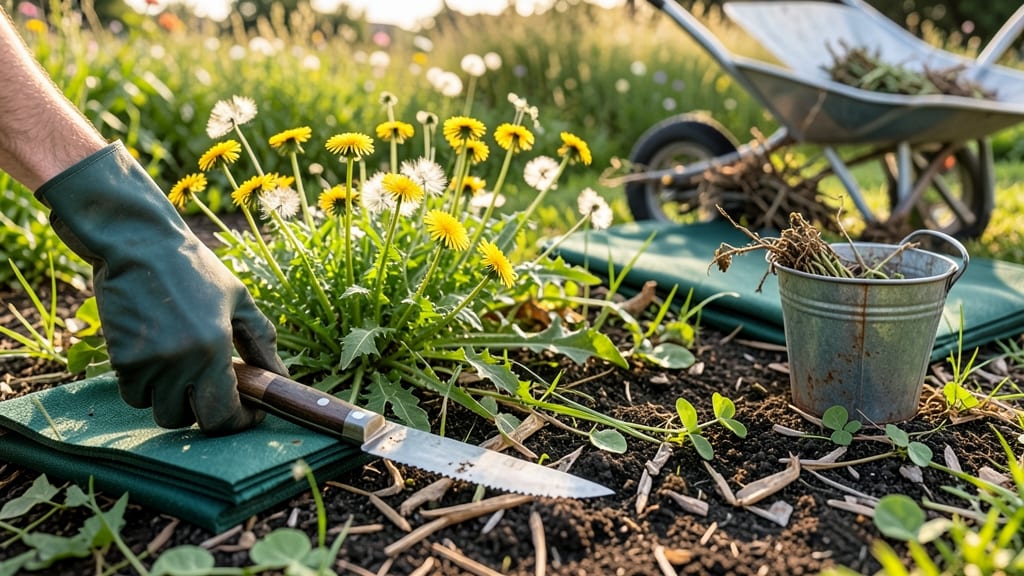
National Weed Your Garden Day works best in early spring or late summer when weeds are actively growing but before they produce seeds, ensuring you eliminate them at their most vulnerable stage while protecting your plants from competition.
Timing this garden task strategically prevents weeds from spreading their seeds, which can create a year-round infestation if left unchecked. 🌱 The key is targeting weeds during their exponential growth phase—when they're young and haven't yet established deep root systems.
I've found that late summer, after most annual weeds have sprouted but before they go dormant, often yields the cleanest results with minimal regrowth.
Dry, sunny conditions also help because moist soil can make weeds slippery to remove, while bright sunlight reveals hidden weeds that might otherwise blend into your garden bed.
For maximum impact, schedule your weeding session on a warm, dry morning when the soil is workable but not baked hard. This gives you the best grip on weeds while minimizing stress on your desired plants.
After pulling weeds, I recommend lightly raking the area to disturb any remaining seeds and then applying a thin layer of mulch to smother new growth. This two-step approach creates a protective barrier that keeps your garden looking pristine for weeks.
💡 In This Article
- Why Timing Matters in Weed Removal
- Optimal Conditions for Weeding Success
Why timing matters in weed removal
Weeds follow predictable growth cycles that align with seasonal changes, making timing critical for effective removal. In early spring, weeds like crabgrass and chickweed emerge when soil temperatures rise above 50°F, but they haven't yet developed deep root systems or seed heads.
This window—typically between March and April in most climates—allows you to pull weeds by hand with minimal regrowth risk. The key is acting before weeds reach their bolting stage (when they send up flowering stems), which can happen in as few as 4-6 weeks for aggressive species.
Late summer offers a second prime opportunity because many annual weeds have completed their first growth spurt but haven't yet produced seeds. For example, pigweed and lambsquarters often reach peak vulnerability in August when daytime temperatures average 75-85°F and nighttime dew points remain high.
At this stage, weeds have established shallow roots but haven't yet allocated energy to seed production. Removing them prevents thousands of new seedlings from sprouting next season—a single dandelion can produce up to 200 seeds per plant!
The biological advantage is clear: you're interrupting the weed's reproductive cycle before it becomes a year-long problem.
Soil moisture plays a surprising role in weed resilience. When soil is too wet, weeds develop stronger root systems to anchor themselves, making them harder to pull. Conversely, dry conditions create natural planes of weakness where roots meet soil, allowing for cleaner removals.
This is why late summer—often a drier period in many regions—becomes ideal. The trade-off is that dry soil can also stress your desired plants, so always water garden beds 24 hours before weeding to give roots a hydration boost while keeping weeds more manageable.
Timing also affects plant competition dynamics in your garden. Weeds like bindweed and nutsedge can smother young vegetables by blocking sunlight and nutrients. By removing weeds during their exponential growth phase (when they're 2-4 inches tall), you give your crops a fighting chance to establish themselves.
For instance, tomato plants need about 6-8 weeks to develop strong root systems—if weeds aren't controlled in that window, your yield could drop by 30-50% due to competition.
Consider the life cycle of perennial weeds like quackgrass, which spreads through underground rhizomes. These weeds are most vulnerable in early spring when their energy reserves are low after winter dormancy.
Pulling them then removes 70-90% of their root biomass, compared to just 10-30% if attempted in midsummer when they're fully energized. The lesson? Match your weeding strategy to the weed's biological weaknesses rather than working against its natural resilience.
One final biological factor is seed dormancy. Many weed seeds require specific conditions—like alternating temperature cycles—to germinate. By removing weeds before they seed, you're not just eliminating current plants but also preventing next year's potential problems.
For example, velvetleaf seeds can remain viable in soil for up to 50 years if not disturbed. Your weeding efforts today directly impact your garden's health for decades to come.