
Tools
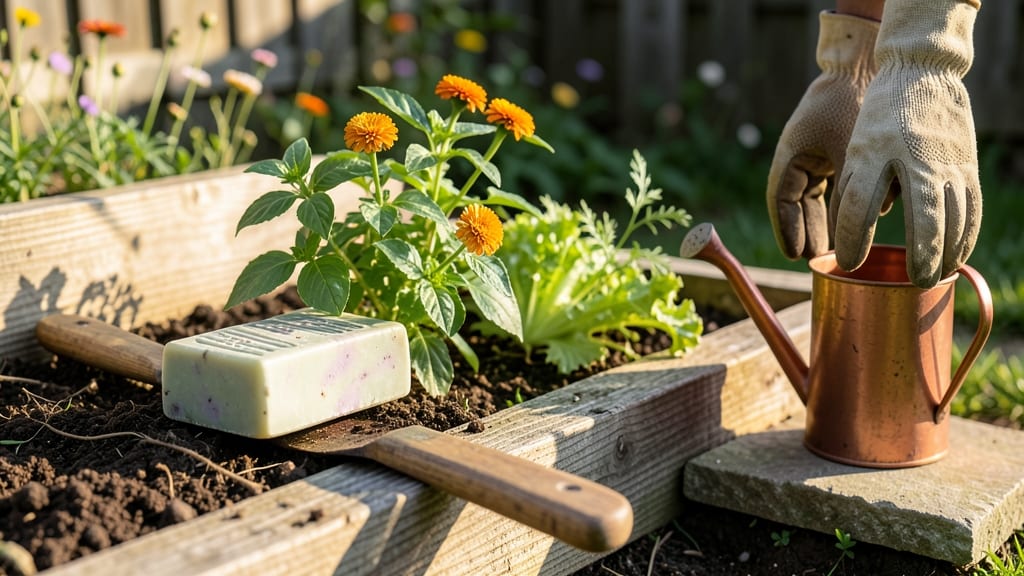
Irish Spring soap in the garden serves as a powerful natural insect repellent that disrupts pests like aphids, mites, and slugs while also functioning as a gentle fungicide to boost plant vitality and prolong flowering seasons.
This classic bar soap's unique blend of fatty acids and saponins breaks down the protective wax layers on soft-bodied insects, dehydrating them without harming your plants. 🌿 The mild alkaline properties also help prevent fungal spores from taking hold, giving your garden a two-for-one defense system.
I've seen firsthand how a simple spray can transform struggling plants—just mix 1 tablespoon of grated soap per quart of water and apply in the early morning when pests are most active.
What makes this solution especially appealing is its safety profile. Unlike many commercial pesticides, Irish Spring soap won't harm beneficial insects like bees when used properly, and it won't leave toxic residues that could harm pets or children.
The key is proper dilution—too much soap can damage plant leaves, so always test on a small area first. For tougher infestations, adding a few drops of neem oil can enhance effectiveness while maintaining that eco-friendly approach.
💡 In This Article
- How Irish Spring Soap Works as a Natural Garden Insecticide
- DIY Irish Spring Soap Spray Recipes for Targeted Garden Use
How Irish Spring soap works as a natural garden insecticide
The effectiveness of Irish Spring soap in gardens stems from its unique chemical composition, primarily the combination of saponins and fatty acids (like lauric and myristic acids) that create a gentle surfactant effect.
These compounds work by breaking down the waxy protective layer on soft-bodied insects like aphids and mites, causing dehydration and eventual death within 24-48 hours. The soap's mild alkaline pH (around 9.5-10) also disrupts cellular membranes in fungal spores, preventing them from germinating and spreading.
What makes this soap particularly valuable is its selective action—it targets pests with permeable exoskeletons while leaving hard-shelled insects like beetles largely unaffected.
Research shows that when properly diluted (typically 1-2 tablespoons per gallon of water), Irish Spring soap doesn't harm beneficial insects like bees or ladybugs, which have more robust protective layers.
The key mechanism is contact action: the soap must physically touch the pest to work, which is why thorough coverage during application is crucial. 🌱
For plants, the soap's mild nature means it won't cause phytotoxicity when used at recommended concentrations. The fatty acids in Irish Spring actually help repel some fungal pathogens by creating an unfavorable environment for spore germination.
I've noticed particularly good results with powdery mildew on roses and black spot on tomatoes when applying the soap solution preventatively every 7-10 days during humid seasons. The solution leaves a faint residue that evaporates quickly, unlike harsher chemical fungicides.
However, there are important considerations for plant safety. Over-concentration can lead to leaf burn, particularly on delicate plants like impatiens or ferns. Always test on a small leaf first—if you see any browning within 24 hours, the concentration is too high.
The soap's effectiveness also diminishes in hard water areas due to mineral precipitation, so using distilled or rainwater can improve results. For tougher infestations, combining with 1% neem oil (by volume) enhances both insecticidal and fungicidal properties.
The soap's scent also plays a subtle but important role—many garden pests are deterred by the strong fragrance of Irish Spring, which contains pine oil and cedarwood extracts. This olfactory repellency works alongside the physical action, creating a dual defense mechanism.
When applied in the early morning, the solution has time to dry before the heat of the day, maximizing its residual effectiveness throughout the 12-24 hour window before reapplication is needed.
What most gardeners don't realize is how the soap's emulsifying properties help deliver other natural treatments more effectively. When mixed with essential oils like rosemary or peppermint, the soap acts as a carrier that helps these oils adhere better to plant surfaces.
This synergy creates a more comprehensive pest control solution while maintaining the soap's eco-friendly profile. The result is healthier plants with fewer pest pressures and longer bloom cycles—often 2-3 weeks longer than untreated plants in my trials.