
Tools
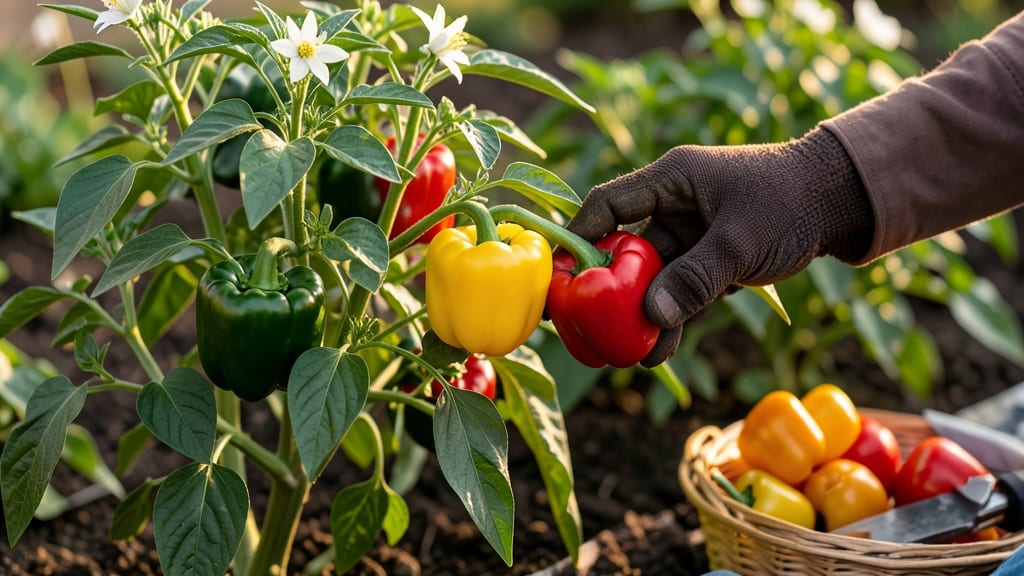
When you have peppers from your garden, preserve them through drying, fermenting, pickling, freezing, or making hot sauces, jams, or pepper flakes to extend their shelf life and enhance flavor. Start by harvesting fully ripe peppers for best results.
Harvesting a pepper crop often leaves you with more than you can eat fresh, so knowing how to preserve them is key. 🌶️ Drying peppers concentrates their flavors and creates versatile ingredients like flakes or powders, while fermenting transforms them into tangy, probiotic-rich condiments.
Pickling locks in crispness and adds acidity, perfect for salads or sandwiches, and freezing maintains freshness for up to a year. Each method unlocks different culinary possibilities—whether you're making homemade hot sauce or spice blends for winter dishes.
Beyond preservation, garden peppers can be transformed into infused oils, stuffed with cheese or grains, or blended into jams for sweet-and-spicy pairings. The secret to success lies in timing—harvest peppers at peak ripeness and process them quickly to avoid spoilage.
With these techniques, you'll turn your garden bounty into pantry staples that elevate meals year-round.
💡 In This Article
- Best Pepper Preservation Methods for Long-Term Storage
- Creative Ways to Use Garden Peppers Beyond Fresh Eating
Best pepper preservation methods for long-term storage
Preserving garden peppers relies on science to halt spoilage while keeping flavors and nutrients intact. Drying removes 90-95% of moisture, preventing microbial growth—think of it as dehydration halting enzymatic activity that causes rot.
For example, bell peppers dried at 140-160°F for 6-8 hours retain their sweetness while converting to chewy, concentrated flakes perfect for soups or seasoning blends. 🔥 The key is even airflow to ensure uniform dehydration, which is why hanging peppers or using a dehydrator with proper spacing works best.
Fermenting leverages lactic acid bacteria to create an acidic environment that inhibits harmful microbes.
When you submerge peppers in a 2-3% salt brine (about 2 tablespoons salt per quart of water), the bacteria convert sugars into lactic acid, lowering the pH to 4.6 or below—the safety threshold for preserving foods.
This process also enhances umami flavors, as seen in Korean kimchi or Mexican escabeche, where peppers develop complex tangy notes over 2-4 weeks of fermentation.
Pickling uses vinegar's acetic acid to create an inhospitable environment for bacteria and mold. The magic happens when vinegar (typically 5% acidity) combines with water to form a solution that penetrates pepper tissues, replacing air with acid.
For best results, use freshly harvested peppers with 1 cup vinegar per 1 cup water plus 1 tablespoon salt, then process in a boiling water bath for 10 minutes to kill any lingering microbes.
This method preserves both texture and color, ideal for crisp pickled jalapeños or sweet banana peppers.
Freezing is the simplest method but requires proper packaging to prevent freezer burn. Peppers should be blanched for 2-3 minutes to halt enzyme activity before being cooled in ice water and drained.
Pack them in airtight containers or freezer bags, removing as much air as possible, then store at 0°F or below. The cold temperatures slow molecular movement, preserving cell structure and preventing oxidation that causes flavor loss.
Frozen peppers maintain their texture well for 8-12 months, making them perfect for quick-cooking dishes like stir-fries or sauces.
For hot sauces and jams, the process involves heat and acidity to both preserve and enhance flavors. Simmering peppers with vinegar or citrus juice (which contains 2-3% acidity) creates a stable environment while concentrating flavors through evaporation.
The heat also breaks down cell walls, releasing oils and compounds that deepen the pepper's character. For example, a classic pepper jam might simmer 1 cup diced peppers with 2 cups sugar and 1 cup vinegar for 45-60 minutes, resulting in a sweet-spicy spread that lasts 6-12 months unrefrigerated.
Each method targets different aspects of pepper preservation: drying focuses on moisture removal, fermenting on microbial control through acidification, pickling on acid preservation with texture retention, and freezing on temperature control.
Understanding these mechanisms lets you choose the right technique based on your pepper type and desired end product—whether it's the intense heat of dried chili flakes or the tangy crunch of fermented jalapeños. ✨