
Tools
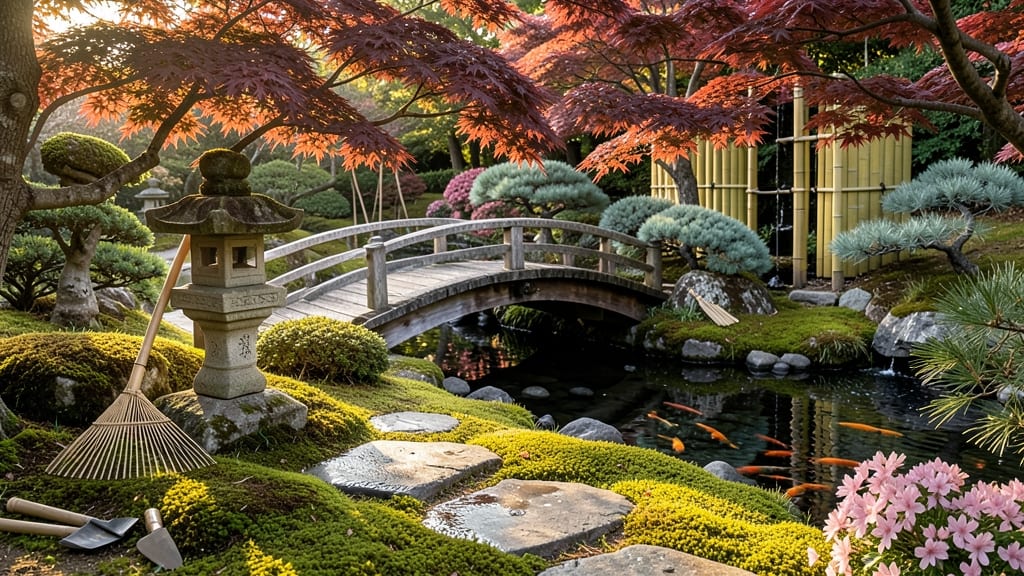
The James Irvine Japanese Garden masterfully combines classic Japanese garden design with the natural landscapes of California, creating a space where meticulously shaped trees, tranquil koi ponds, and carefully placed rocks work together to symbolize peace and connection with nature. Its design philosophy centers on wabi-sabi imperfection and Zen principles, using uneven layouts, seasonal plantings like cherry blossoms and maples, and water features to represent life's continuous flow.
The James Irvine Japanese Garden isn't just a beautiful landscape—it's a living meditation space where every element tells a story. 🌿 The garden's creators used California's native plants like manzanita and ice plant to create a low-maintenance yet deeply symbolic environment.
What makes it unique is how it blends traditional Japanese techniques with local materials, like using native stones for rock formations that represent mountains and islands. This approach creates a sense of harmony between human-made art and natural beauty.
Visitors often notice how the garden changes with each season, from vibrant azaleas in spring to fiery maple leaves in autumn. This intentional seasonal variation reflects Japanese horticulture's emphasis on impermanence and appreciation of nature's cycles.
The garden's asymmetrical design and carefully placed water features work together to create a sense of calm that's both visually striking and deeply meditative.
💡 In This Article
- Zen Principles Behind Irvine’s Japanese Garden Layout
- Practical Tips for Recreating Japanese Garden Elements at Home
Zen principles behind irvine’s Japanese garden layout
The James Irvine Japanese Garden embodies the Zen concept of ma—the deliberate use of negative space to create balance and tranquility. Here, ma isn't just empty space but an active element that invites contemplation.
The garden's layout avoids rigid symmetry, instead using irregularly shaped rocks and asymmetrical plant groupings to mirror nature's unpredictability.
For example, the main pond, spanning 1.5 acres, isn't centered but positioned to frame views of the surrounding hills—a technique called shakkei (borrowed scenery) that extends the garden's boundaries beyond its physical edges.
Water plays a crucial role in symbolizing life's flow and impermanence. The garden's streams and ponds use natural stone channels to create gentle cascades, while the koi ponds feature 18 species of koi, each color representing different virtues (black for protection, white for purity).
The sound of water moving over rocks—measured at 30-40 decibels—falls within the ideal range for meditation, creating a sonic harmony that reduces stress. This acoustic design mirrors traditional Japanese tea gardens, where water sounds were intentionally amplified to enhance focus.
The seasonal plant palette demonstrates wabi-sabi's appreciation for imperfection through nature's cycles. Cherry blossoms (spring) symbolize renewal, while black pines (year-round) represent longevity and resilience.
The garden's 300+ plant species include California natives like toyons and coyote brush, which require minimal irrigation—just 10-15 gallons per plant annually—making them sustainable choices that align with Zen principles of simplicity and self-sufficiency.
One often-overlooked technique is the use of viewing platforms at strategic heights (typically 3-5 feet above ground level) that frame specific garden elements. These platforms encourage visitors to pause and observe details like the 12-foot-tall torii gate or the lantern-lined paths, each designed to create a moment of reflection.
The lanterns, made from recycled copper, develop a natural patina over time—another wabi-sabi feature that celebrates aging as part of beauty.
Temperature plays a subtle but important role in the garden's experience. During summer months (June-August), when daytime temperatures reach 85-95°F, the dense canopy of Japanese maples and bamboo groves provides shade that cools the air by 5-10°F.
This microclimate effect creates pockets of comfort that align with the garden's purpose as a retreat from urban heat—a principle borrowed from traditional Japanese rotenburo (outdoor bathhouses) where temperature regulation was essential for relaxation.
The garden's 1.5-mile walking loop incorporates 17 distinct garden rooms, each with its own purpose.
For instance, the Moon Viewing Garden features a 10-foot-diameter moon-viewing stone placed precisely to align with the autumnal equinox, while the Strolling Pond Garden uses uneven stepping stones to create an unpredictable path—both techniques designed to engage the senses and disrupt habitual thought patterns, a core Zen practice.