
Advice
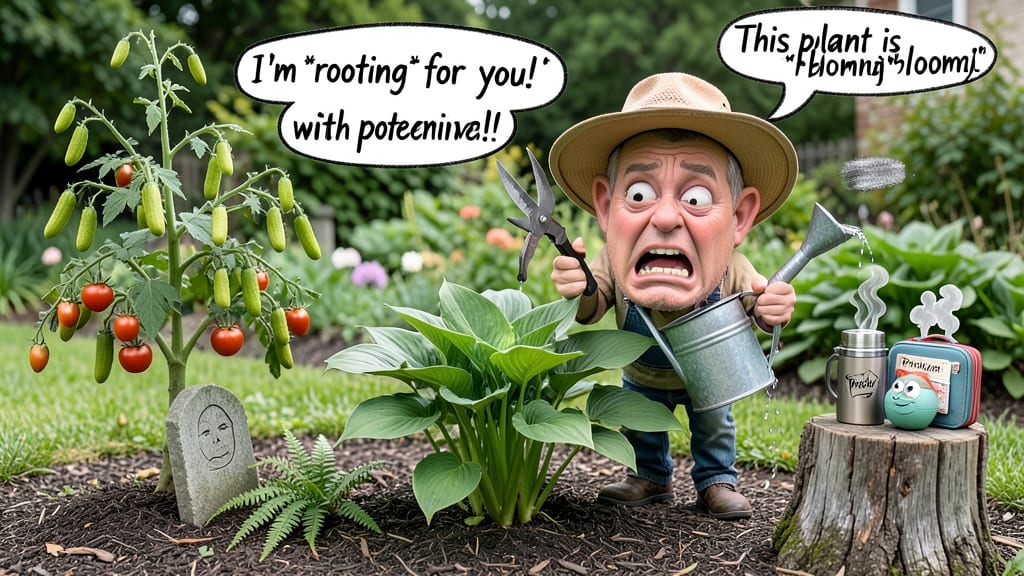
Jokes about gardeners thrive on the universal struggles of dirt, weeds, and overwatering—think why cucumbers are the only vegetables with bad attitudes or how a gardener's idea of a good time is digging in the dirt. This plant-based humor reflects the shared trials and triumphs of green thumbs.
These jokes aren't just funny—they create instant camaraderie among gardeners who've all experienced the same frustrations. 🌱 Whether it's the classic "Why did the tomato turn red?" or the relatable "What's a gardener's favorite type of music?" (root reggae), the humor comes from recognizing the absurdity in everyday gardening challenges.
I've found that sharing these puns at local garden clubs or seed swaps breaks the ice and sparks conversations about everything from soil types to pest control.
What makes gardener jokes so special is their ability to turn struggles into laughter. For example, the one about "gardeners being the only people who can tell if their plants are depressed" resonates because we've all had that moment of staring at a wilted leaf wondering what went wrong.
These jokes also serve as a fun way to explain gardening to newcomers—turning complex concepts like companion planting into memorable puns like "carrots and parsley make perfect pals."
💡 In This Article
- Why Gardener Jokes Are Universally Relatable
- Best Ways to Use Gardener Jokes for Fun and Fundraising
Why gardener jokes are universally relatable
Gardener jokes tap into a shared language of struggles that every green thumb understands. The humor stems from the universal gardening challenges—like battling aphids or deciphering soil pH levels—that create instant recognition.
When you hear why "a gardener's favorite type of music is root reggae," it's not just a pun; it reflects the deep connection gardeners feel to their plants' roots and the rhythm of growing seasons. 🌱 This wordplay transforms everyday gardening terms into memorable jokes that resonate because they're rooted (pun intended) in real experiences.
The psychology behind these jokes lies in their ability to turn frustrations into laughter. For example, the classic "Why did the tomato turn red?" joke plays on the shared experience of seeing plants respond to environmental stressors—like ripening tomatoes or wilting leaves—while adding a humorous twist.
Studies show that laughter releases endorphins, which can actually reduce stress, making these jokes doubly valuable for gardeners dealing with the highs and lows of plant care.
The humor also serves as a coping mechanism, helping us laugh at the absurdity of trying to grow perfect zucchinis when squirrels keep stealing them.
Botanical puns work particularly well because they're built on real terminology. Take "companion planting" jokes—like "carrots and parsley are perfect pals"—which reference actual gardening practices where certain plants benefit each other's growth. This dual-layered humor (the pun AND the gardening fact) makes these jokes both educational and entertaining.
Garden clubs often use these puns to teach newcomers about plant relationships while breaking the ice at meetings. The shared knowledge creates an immediate bond among gardeners, making these jokes more than just funny—they're conversation starters that build community.
What makes gardener humor so powerful is its ability to bridge generations and skill levels. A veteran gardener might chuckle at "Why don't gardeners make good secret keepers?" because they've all experienced the struggle of keeping their favorite planting spots confidential.
Meanwhile, beginners appreciate the humor because it makes gardening feel less intimidating. This universal appeal explains why gardener jokes appear in everything from seed catalogs to gardening blogs—because they speak to everyone who's ever gotten their hands dirty, whether in a backyard plot or a windowsill herb garden.
Consider the science behind why these jokes work so well: they activate the brain's reward system through pattern recognition. When you hear "gardeners are the only people who can tell if their plants are depressed," your brain immediately connects it to the real experience of diagnosing plant health issues.
This cognitive connection makes the humor more satisfying than generic jokes. The best gardener puns often include specific details—like mentioning "overwatering" or "pests"—that create that instant "aha!" moment of recognition among listeners.
The community-building aspect can't be overstated. At local garden clubs I've visited, sharing these jokes often leads to longer conversations about specific gardening challenges.
For instance, after telling the joke about "gardeners being the only people who understand silence," attendees would immediately start sharing their favorite quiet gardening moments—whether it's the peacefulness of early morning planting or the satisfaction of watching seeds sprout.
This shared laughter creates a sense of belonging that's particularly valuable in a hobby where everyone faces similar trials and triumphs.