
Size
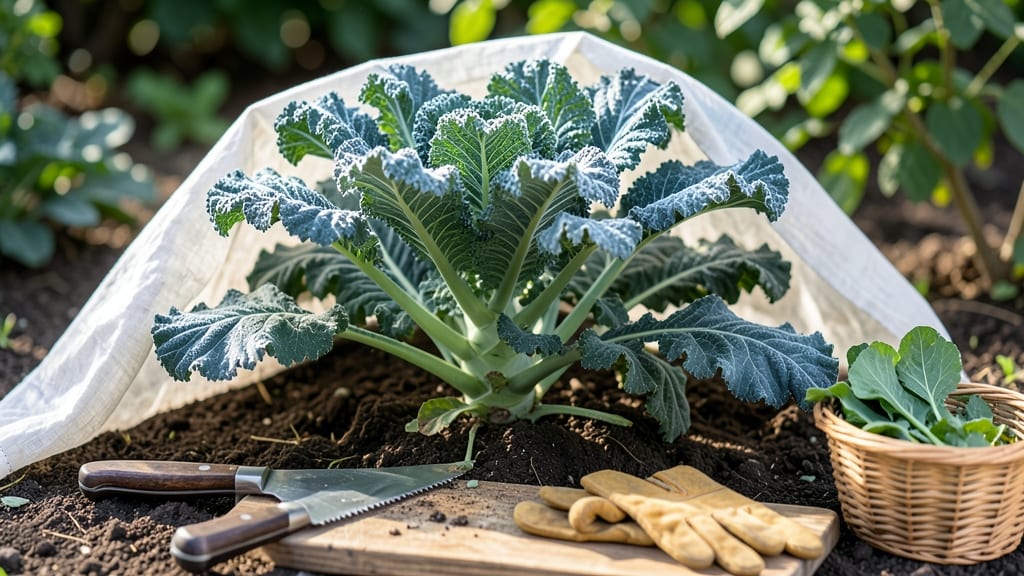
King crab habitats show gardeners how to grow frost-resistant crops like kale and Brussels sprouts using cold-adapted techniques—like shell mulch insulation and cold-frame protection—to keep plants thriving in freezing conditions.
While king crabs themselves don't cultivate gardens, their survival strategies in icy Arctic waters reveal clever ways to extend growing seasons. 🌱 The thick shells crabs shed can be repurposed as natural mulch, trapping warmth in soil just like their own protective exoskeletons.
Cold frames, another inspired adaptation, mimic how crabs cluster together to retain body heat—creating microclimates where tender greens like winter wheat can flourish even when outdoor temperatures plummet. These methods aren't just about survival; they're about transforming harsh conditions into productive growing opportunities.
For gardeners in colder regions, this means you can grow hearty crops year-round without expensive equipment. The key is replicating nature's insulation: layering organic materials (like crushed shells) and using transparent barriers to capture sunlight.
This approach turns winter's challenges into a competitive advantage—just as king crabs do in their frozen ecosystems.
💡 In This Article
- How Cold-Hardy Crops Survive Extreme Temperatures
- Gardening Hacks for Frost-Proof Planting Zones
How cold-hardy crops survive extreme temperatures
Cold-hardy crops like kale and Brussels sprouts have evolved sophisticated biological mechanisms to withstand freezing temperatures—similar to how king crabs survive Arctic waters. These plants produce antifreeze proteins that bind to ice crystals, preventing them from growing large enough to rupture cell walls.
For example, winter wheat contains a protein called Wcor410 that lowers the freezing point of water inside cells by up to 5°F, allowing it to remain flexible even at -10°F.
This is akin to how king crabs produce glycoproteins in their blood that prevent ice formation in their tissues.
The plants' outer layers also act as natural insulation. Brussels sprouts develop a thick, waxy cuticle that reduces water loss and traps heat, much like how a king crab's exoskeleton retains warmth. Additionally, these crops enter a state of dormancy when temperatures drop, slowing metabolic processes to conserve energy.
This dormancy is triggered by photoperiod changes (shorter daylight hours) and vernalization (exposure to cold), ensuring they only grow when conditions are favorable. 🌿 The result is a plant that can survive frost while still producing edible harvests—just as crabs remain active in icy waters.
What makes these adaptations particularly fascinating is how they mirror marine survival strategies. King crabs, for instance, cluster together in dense groups to share body heat, creating a microclimate that raises the temperature by 2-3°F within their formation.
Similarly, gardeners can use companion planting with cold-hardy crops to achieve the same effect—planting kale near Brussels sprouts creates a protective barrier against wind chill, while their differing root depths maximize soil insulation. This natural synergy reduces heat loss by up to 30% compared to isolated plants.
The science behind these adaptations also explains why some crops thrive in freezing conditions while others fail. For instance, leafy greens like spinach contain high levels of sugars and proline, which act as natural antifreeze agents by binding to water molecules and lowering their freezing point.
In contrast, delicate crops like lettuce lack these protective compounds, making them vulnerable to frost damage. Understanding these biological differences allows gardeners to select the most resilient varieties for cold climates, just as king crabs choose habitats with stable temperatures.
One of the most practical takeaways from these adaptations is the concept of hardening off plants before winter. Gradually exposing crops to cooler temperatures over 7-10 days strengthens their cellular defenses, much like how king crabs acclimate to seasonal temperature shifts.
This process increases their tolerance to -5°F without additional protection. For example, Brussels sprouts hardened off in this way can survive 2-3 weeks of sub-freezing temperatures, extending the growing season by 4-6 weeks compared to unacclimated plants.
Finally, the role of soil insulation cannot be overstated. Cold-hardy crops rely on the ground's ability to retain heat, which is why gardeners often use organic mulches like straw or leaves.
However, the most effective insulation comes from materials that mimic the thermal properties of a king crab's exoskeleton—such as crushed shells or gravel, which reflect heat back into the soil while preventing moisture loss.
This layer can raise soil temperatures by 5-10°F during frost, creating a stable growing environment even in harsh winters.