
Tools
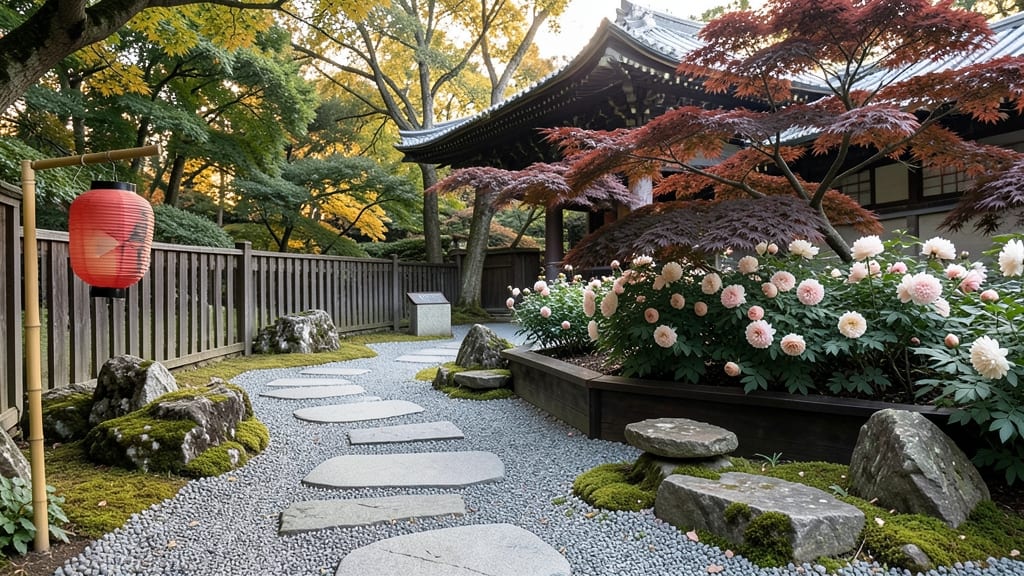
The Montreal Botanic Garden features over 22,000 plant species across 22 themed gardens, blending cultural heritage with botanical diversity through its Chinese pavilions, Japanese gardens, and First Nations displays. As Canada's largest botanical garden and a UNESCO Biosphere Reserve, it offers year-round beauty with seasonal highlights like tulip festivals and autumn foliage.
The Montreal Botanic Garden isn't just a collection of plants—it's a living museum where each garden tells a story. 🌿 The Chinese pavilion, for example, showcases traditional medicinal herbs alongside ornamental species, while the Japanese garden emphasizes harmony with water features and meticulously pruned trees.
What sets this garden apart is its commitment to conservation; rare plants from threatened ecosystems find a home here, protected for future generations.
Beyond the permanent exhibits, timing your visit can transform your experience. Spring brings vibrant tulip displays, while summer offers lush floral shows and evening concerts. Autumn transforms the gardens into a fiery palette of reds and oranges, and winter's holiday displays create a magical atmosphere.
Pro tip: Weekday mornings are ideal for avoiding crowds while still enjoying the full splendor of each season.
💡 In This Article
- Montreal Botanic Garden’s Unique Themed Gardens and Their Botanical Significance
- Seasonal Planning Guide: Best Times to Visit Montreal Botanic Garden
Montreal Botanic Garden’s unique themed gardens and their botanical significance
The Chinese Garden, a centerpiece of the Montreal Botanic Garden, was meticulously designed to reflect traditional Chinese horticulture and philosophy. 🌸 Each plant—from the fragrant orchids to the medicinal ginseng—was selected based on its cultural significance and ecological role in East Asian ecosystems.
For instance, the bamboo groves symbolize resilience, while the lotus ponds represent purity, creating a harmonious balance between form and meaning. The garden’s layout follows the principles of feng shui, with winding paths that guide visitors through microclimates, from shaded tea houses to sunlit courtyards.
The Japanese Garden, on the other hand, embodies wabi-sabi, the aesthetic of imperfection and transience. Here, maple trees (like the Acer palmatum) are pruned to showcase their skeletal beauty during winter, while stone lanterns and koi ponds emphasize tranquility.
The garden’s 3,000-year-old design principles—such as the use of raked gravel to symbolize water—demonstrate how botany and artistry intertwine. Unlike the Chinese Garden’s lush greenery, the Japanese Garden thrives on minimalism, using moss-covered stones and cherry blossoms to evoke fleeting moments of nature.
The First Nations Garden is a living testament to Indigenous plant knowledge, featuring 300+ species used for food, medicine, and ceremony. 🌿 Plants like wild bergamot (for tea) and bearberry (for dye) are labeled with their Anishinaabe names, connecting visitors to centuries-old traditions.
The garden’s circular design mirrors the Indigenous worldview of interconnectedness, with each plant playing a role in the ecosystem. For example, the wild rice beds demonstrate how aquatic plants thrive in shallow wetlands, a critical habitat for migratory birds.
Contrast this with the Alpine Garden, where 2,500 plants from high-altitude regions—like edelweiss and stonecrop—survive in rock crevices mimicking their natural habitats. The garden’s 1,200-square-meter terrain includes a miniature mountain with cascading waterfalls, creating microclimates that simulate elevations up to 3,000 meters.
This section highlights how plants adapt to extreme conditions, with permafrost-resistant species like dryad’s saddle thriving in temperatures as low as -10°C.
What ties these gardens together is the Botanic Garden’s role as a conservation hub. Rare species, such as the Chinese magnolia (Magnolia denudata) and Japanese snowbell (Styrax japonicus), are propagated here to prevent extinction.
The garden’s seed bank preserves genetic diversity, ensuring these plants can be reintroduced to threatened ecosystems. For visitors, this means every themed garden isn’t just a visual experience—it’s a lesson in biodiversity preservation and cultural heritage.
Each garden also serves an educational purpose, with interactive displays explaining plant-life cycles, pollination processes, and human-plant relationships.
For example, the Chinese Garden’s herbarium shows how ginkgo biloba has been used in traditional medicine for 2,500 years, while the First Nations Garden’s workshops teach visitors how to identify edible plants.
This blend of science and culture makes the Montreal Botanic Garden a living classroom as much as a sanctuary.