
Tools
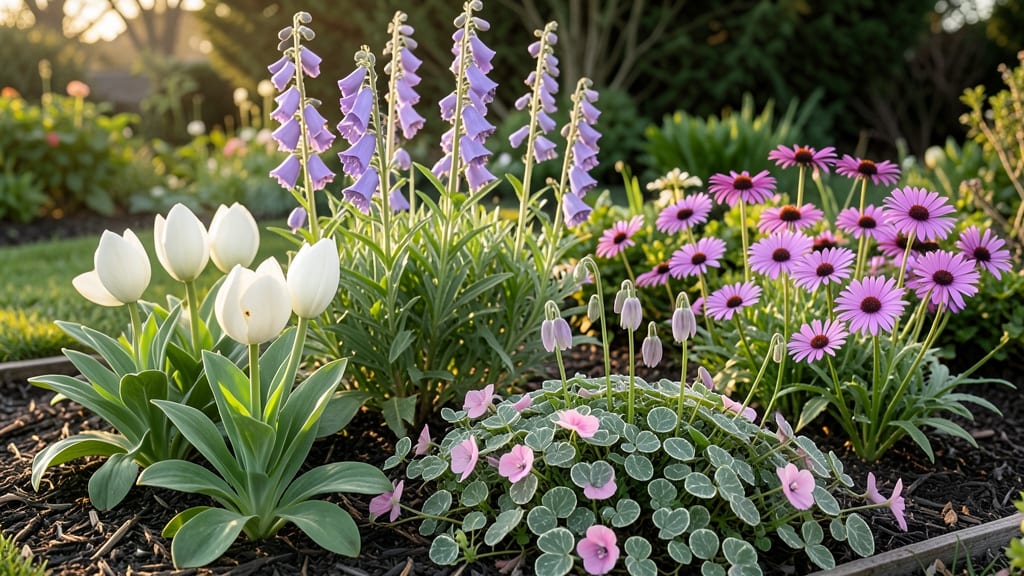
The Monty Don Garden Show teaches gardeners how to create thriving year-round gardens by focusing on precise seasonal planting, soil health, and plant selection that adapts to local microclimates—techniques like staggered planting and frost-resistant varieties maximize harvests and garden beauty throughout all four seasons.
The show’s approach isn’t just about planting at the right time—it’s about understanding how each season affects plant growth.
For example, Monty often highlights how succession planting in spring can extend your harvest well into fall, while winter-hardy plants like kale or cabbage thrive when others fade. 🌱 His emphasis on soil preparation, including composting and mulching, creates the ideal foundation for plants to flourish regardless of the weather.
The key is balancing bold choices (like vibrant annuals) with resilient perennials that return year after year.
What sets Monty’s advice apart is his focus on microclimates—small areas in your garden that may have slightly different conditions. A sunny spot near a brick wall, for instance, might support heat-loving plants that wouldn’t survive elsewhere in your yard.
By observing these nuances, you can push the limits of what grows in your space, even in less-than-ideal climates.
💡 In This Article
- Monty Don’s Seasonal Planting Calendar Breakdown
- Practical Monty Don Techniques for Year-Round Gardens
Monty Don’s seasonal planting calendar breakdown
Monty Don’s approach to seasonal planting revolves around understanding how temperature shifts and daylight changes influence plant growth. Spring, for example, is all about jumpstarting the season with frost-tolerant crops like peas and broad beans, which can handle light frosts down to 28°F.
The key here is timing: planting too early risks frost damage, while waiting too long means missing the optimal 6-8 week window before summer heat arrives. Monty often emphasizes starting with "cold-hardy" varieties that establish roots quickly in cooler soil.
Summer planting focuses on heat-loving crops like tomatoes and basil, but the real secret lies in succession planting—sowing new seeds every 2-3 weeks to ensure a continuous harvest.
For instance, lettuce planted in early summer may bolt in the heat, but a second planting in late July can thrive with afternoon shade.
Monty’s calendar also accounts for regional variations: a Zone 5 garden might plant heat-sensitive crops like cucumbers in late May, while Zone 9 gardens can extend their season until October.
The magic happens in fall, when Monty shifts to frost-resistant greens and root vegetables. Kale, Brussels sprouts, and carrots actually sweeten when exposed to 30-40°F nights, making them perfect for autumn planting. His winter strategy?
Cold frames and row covers that raise soil temperatures by 5-10°F, allowing hardy varieties like spinach and radishes to grow even when snow blankets the ground.
The science behind this is simple: plants like these enter a dormant state in winter but resume growth as soon as temperatures rise above 40°F.
What most gardeners overlook is how microclimates create planting opportunities outside the norm. A south-facing wall might support tender plants like geraniums all winter, while a north-facing bed stays too cold. Monty’s technique?
Use reflective mulches (like white gravel) to warm roots in winter or black plastic to heat soil in spring. These small adjustments can extend your growing season by 4-6 weeks in either direction—critical for regions with short summers or harsh winters.
For practical application, Monty recommends creating a "planting wheel" with your local frost dates as the centerpiece. Divide the wheel into quarters for seasons, then mark key planting windows (e.g., April 15-May 15 for tomatoes) based on your last frost date.
This visual tool helps visualize how each crop fits into the seasonal rhythm, ensuring you never miss the optimal window for maximum yield.
One of Monty’s most valuable insights? The "three-year rule" for soil rotation. Planting the same family (like tomatoes) in the same spot yearly depletes nutrients and invites pests.
Instead, he suggests rotating crops annually to maintain soil health—a practice that directly impacts plant vigor and disease resistance. 🌱 This systematic approach turns gardening from guesswork into a predictable, rewarding process.