
Planting
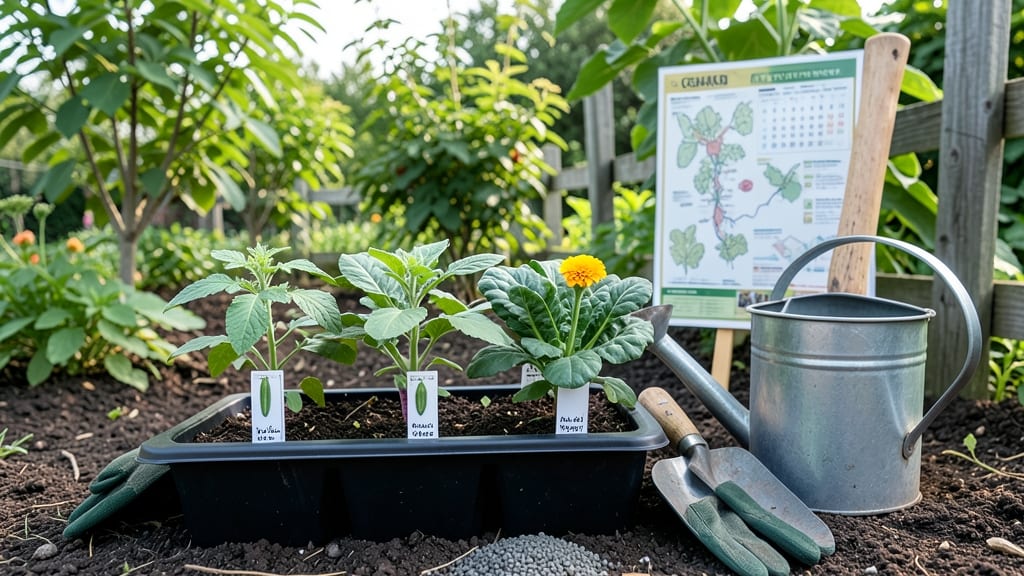
To plant a garden in Georgia, aim for late February through early April for spring crops and late July through early September for fall planting—timing that aligns with the state’s 7a-9a frost-free windows.
Georgia’s warm climate and long growing season make it a gardener’s paradise—but planting at the wrong time can turn your hard work into wilted dreams. Timing is everything, and knowing when to plant in Georgia’s Zone 7a-8b can mean the difference between a thriving harvest and a failed crop.
Cool-season crops like broccoli and spinach thrive when planted in late winter, while tomatoes and peppers need the soil to warm up by April. Meanwhile, fall crops like kale and carrots benefit from late-summer starts to mature before frost.
Below, I break down the ideal planting windows by zone, share frost-date tricks to avoid common mistakes, and provide a heat-tolerance chart so you can fine-tune your schedule for peak success.
Georgia planting calendar by season: best months for vegetables, flowers, and herbs
Georgia’s long growing season and mild winters create perfect conditions for gardening—but timing is everything. Planting too early risks frost damage, while late starts can leave you scrambling for harvests. Let’s break down the ideal planting windows for your vegetables, flowers, and herbs based on Georgia’s Zone 7a-8b climate.
Spring and fall are your golden opportunities, with cool-season crops thriving in early spring and late fall, while warm-season plants love summer’s heat. Even perennials benefit from seasonal planting strategies to establish strong roots before winter. Here’s your month-by-month guide to maximize success.
🌱 Pro Tip: Always check local frost dates (typically mid-March for last frost and mid-November for first frost) and soil temperatures before planting. Use row covers for early spring starts to protect tender seedlings.
| Season | Plant Type | Best Months to Plant | Key Notes |
|---|---|---|---|
| Spring | Cool-Season Vegetables | Late February - Early April | Broccoli, spinach, peas, lettuce. Start seeds indoors 6-8 weeks before last frost. |
| Spring | Warm-Season Vegetables | Mid-April - Early May | Tomatoes, peppers, cucumbers, squash. Wait until soil is 60°F+. |
| Spring | Flowers & Herbs | March - April | Pansies, snapdragons, basil, cilantro. Hardy annuals tolerate light frosts. |
| Summer | Warm-Season Vegetables | June - July | Okra, sweet potatoes, southern peas. Mulch heavily to retain moisture. |
| Fall | Cool-Season Vegetables | Late July - Early September | Kale, carrots, radishes, beets. Plant 8-10 weeks before first frost. |
| Fall | Perennials & Bulbs | September - October | Daylilies, lavender, garlic. Establish roots before winter dormancy. |
| Year-Round | Herbs | March, June, September | Rosemary, thyme (drought-tolerant); parsley, chives (cool-season). |
For cool-season crops like broccoli and spinach, start seeds indoors in February and transplant outdoors after your last frost date (typically mid-March). These plants thrive in 50-65°F soil and can handle light frosts, making them perfect for Georgia’s early spring.
Use row covers to extend the season and protect young plants from unexpected cold snaps.
Warm-season vegetables such as tomatoes, peppers, and cucumbers need warm soil (60°F+) and consistent heat. Plant these outdoors no earlier than mid-April in most of Georgia, or wait until May in cooler Zone 7a areas. Succession planting every 2 weeks ensures a steady harvest throughout summer.
Georgia’s long, hot summers are ideal for heat-loving crops like okra, sweet potatoes, and southern peas. These plants thrive in 80-90°F temperatures and benefit from mulching to conserve moisture. Start seeds in June for a fall harvest, as summer heat can stress young plants.
Fall planting mirrors spring, with cool-season crops like kale and carrots performing best when sown 8-10 weeks before first frost (typically late July to early September).
This gives them time to mature before winter sets in. Perennials, like daylilies and lavender, should be planted in September or October to establish roots before dormancy.
Herbs are versatile and can be planted in spring, summer, or fall, depending on the type. Drought-tolerant herbs like rosemary and thyme thrive in summer, while cool-season herbs such as parsley and chives prefer spring or fall.
Container gardening works well for herbs, allowing you to move them to optimal sunlight conditions year-round.
Don’t forget to rotate crops annually to prevent soil depletion and disease buildup. Keep a gardening journal to track planting dates, soil conditions, and harvest times. This helps you refine your schedule each year for even better results.
With this seasonal planting calendar, you’ll avoid common mistakes like planting warm-season crops too early or missing the window for fall harvests. Happy gardening—your future homegrown bounty starts now! 🌿
How to adjust planting times based on Georgia’s microclimates and heat zones
Your neighbor’s tomato seedlings might thrive on their schedule, but their microclimate could be wildly different from yours. Georgia’s Zone 7a-8b spans diverse conditions—from the cool mountain valleys of North Georgia to the humid coastal plains near Savannah.
These differences can shift ideal planting dates by 2-4 weeks, turning your neighbor’s success into your disappointment.
Elevation alone can create a 10°F temperature swing between Atlanta’s urban heat islands and the cooler Appalachian foothills.
Add soil type variations (clay in the Piedmont vs. sandy coastal soils) and urban heat effects (pavement absorbs heat, raising soil temps by 5-10°F), and suddenly that April 1st planting window becomes risky for some gardeners while others should wait until mid-May.
Heat tolerance charts are your secret weapon. These tools map daytime highs and nighttime lows to show when your warm-season crops (like peppers) can handle direct sun without wilting. For example, Zone 8a gardeners in Savannah can plant okra by March 15th, while Zone 7b growers in Dahlonega should wait until April 15th.
| Microclimate Type | Key Characteristics | Adjust Planting By | Example Crops |
|---|---|---|---|
| Urban Heat Islands (Atlanta) | Pavement raises soil temps by 5-10°F; drier air | Delay warm crops by 10-14 days | Tomatoes, Basil, Okra |
| Coastal Plains (Savannah) | Higher humidity; warmer winters | Plant warm crops 2 weeks earlier | Sweet Potatoes, Peppers, Cucumbers |
| Mountain Valleys (Blue Ridge) | Cooler nights; later frost dates | Wait 3 weeks longer for warm crops | Peas, Lettuce, Carrots |
| Rural Farmland (Central GA) | Moderate temps; well-draining soil | Follow standard Zone 8a schedule | Corn, Squash, Green Beans |
To fine-tune your schedule, start by checking the UGA Extension’s heat zone map for your exact location. Then, use a soil thermometer—warm-season crops like tomatoes need soil temps above 60°F, while peppers require 70°F+.
My go-to trick is planting test rows of fast-growing crops (like radishes) to gauge soil readiness before committing to long-season plants.
Don’t forget about nighttime temperatures. Even in Zone 8b, late spring can bring 50°F nights that shock tender seedlings. Use row covers or wait until May 15th for heat-sensitive crops like eggplants.
For fall planting, aim to harvest before November 1st in most areas—except coastal zones, where you might squeeze in a second crop of spinach until December.
Pro tip: Bookmark the National Weather Service’s climate maps for Georgia. They show 30-day temperature forecasts that help predict heat waves or unexpected cold snaps. With these tools, you’ll outsmart Georgia’s microclimate quirks and grow a bountiful harvest—no matter where you live in the state. 🌱